
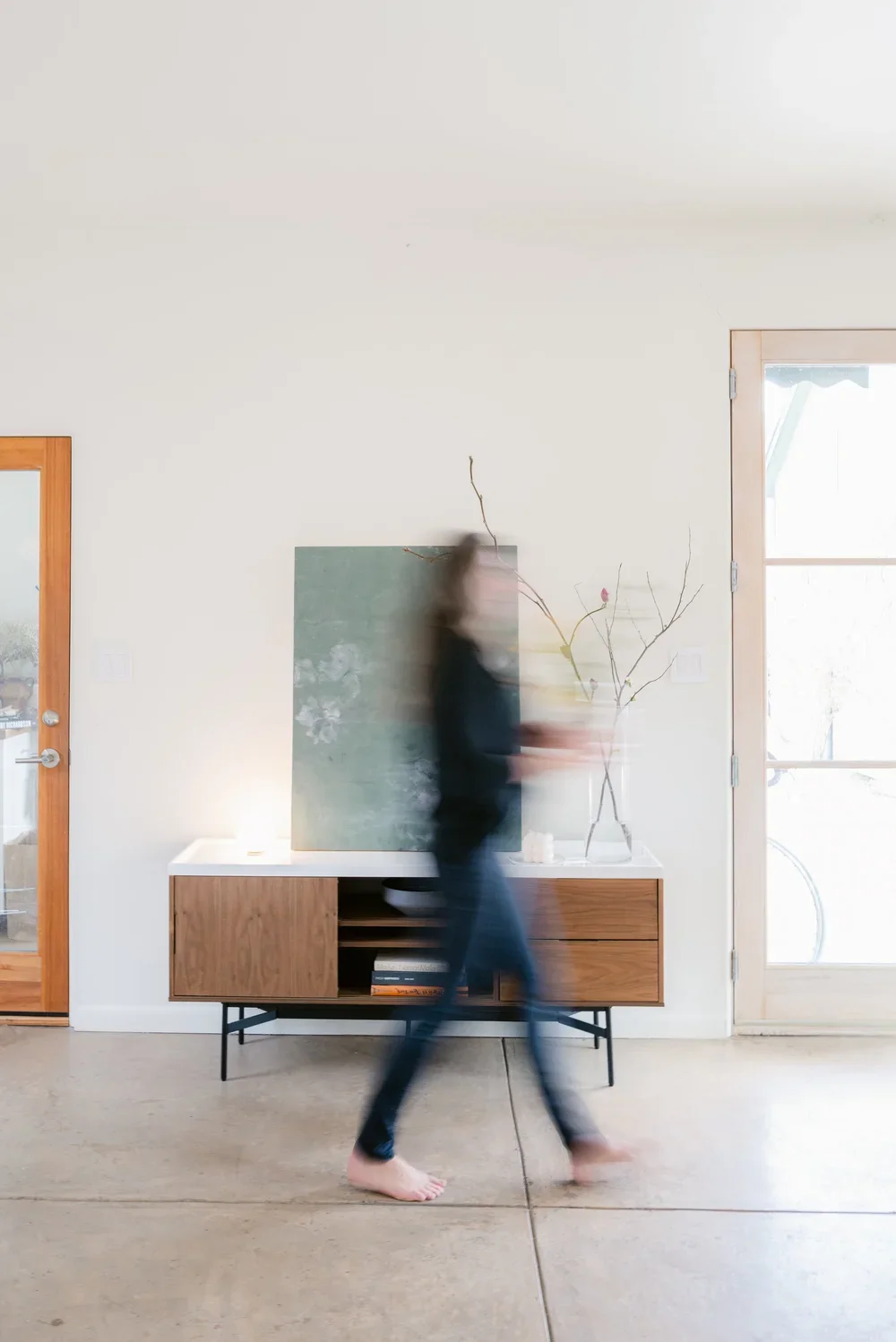
FENG SHUI & SPATIAL ENERGY
Feng Shui & the Art of
Intentional Decluttering and Seasonal Living
Moving Energy:
Feng Shui & the Art of
Intentional Decluttering
BOHEME DESIGN HOUSE · SPRING 2026 · JOURNAL NO. 07

In the mountain West, where seasons demand we move between stillness and motion, the principles of Feng Shui resonate in a particularly grounded way. At its core, this ancient practice is not about decorative symbolism — it is about how energy, or chi, moves through a space. Clutter blocks it. Open, intentional arrangement invites it. The result, when done well, is a home that feels like a deep breath.
The word "Feng Shui" translates literally to wind and water — two forces that, by their nature, flow freely. Rooted in Taoist philosophy and more than 3,000 years old, Feng Shui was originally used to orient buildings and burial sites in harmony with the natural world. Over centuries it evolved into one of the most enduring frameworks for understanding how the spaces we inhabit shape how we feel, focus, rest, and connect.
Today, it's finding renewed relevance and not just among those drawn to eastern philosophy. Modern psychology, environmental design, and neuroscience are increasingly confirming what Feng Shui practitioners have always known: clutter increases stress, light affects mood, spatial layout influences behavior, and balance — visual and physical — improves clarity of mind.
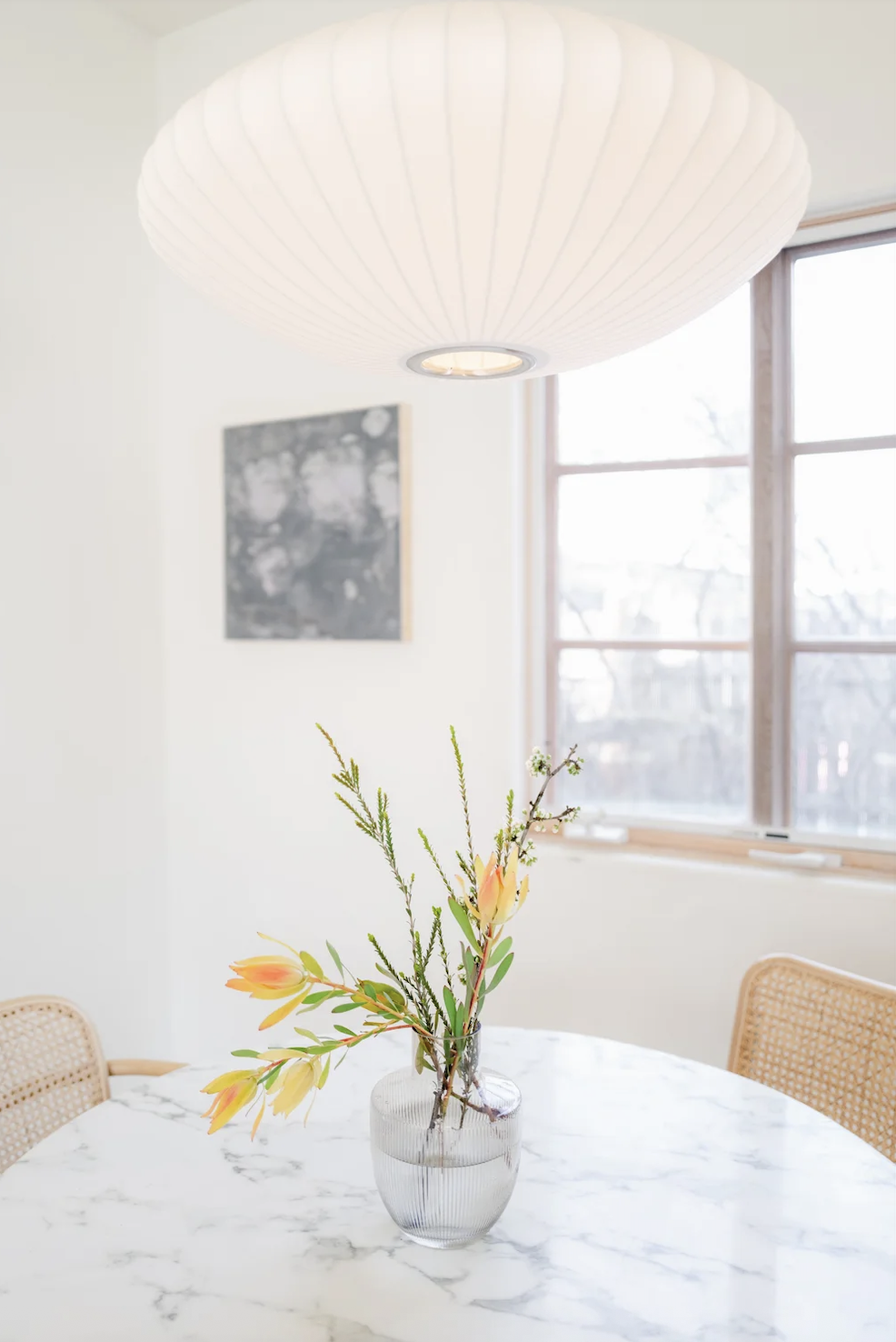
Understanding the Foundation
What Chi Actually Means — and Why It Matters Here
Chi (also written as qi) is the life force energy that, in Feng Shui philosophy, flows through all things — people, objects, architecture, and landscape. In a home, chi enters through the front door and moves through the space along natural pathways. When those pathways are open and unobstructed, chi flows freely, and the people living within the home tend to feel energized, clear, and at ease. When they're blocked — by furniture pushed against walls, piles of unsorted belongings, or rooms that feel heavy and still — chi stagnates. And stagnant chi, in practical terms, often manifests as fatigue, friction, or a vague sense that something is off in a space you can't quite articulate.
In the San Juan Mountains, where the natural world is the constant backdrop, this idea of energy in motion has an almost literal quality. The valley winds that move through Durango in spring, the way light shifts across the Animas corridor through the day, the dramatic seasonal contrasts of this landscape — all of it speaks to a place that is never static. Our homes, when designed with awareness, can honor that same quality of movement rather than resist it.
"A cluttered home often mirrors a cluttered mind — leading to overwhelm, indecision, fatigue, and stress. You don't need to believe in anything mystical to see results."
— Gathered, Feng Shui Rules That Will Transform Your Home, 2026
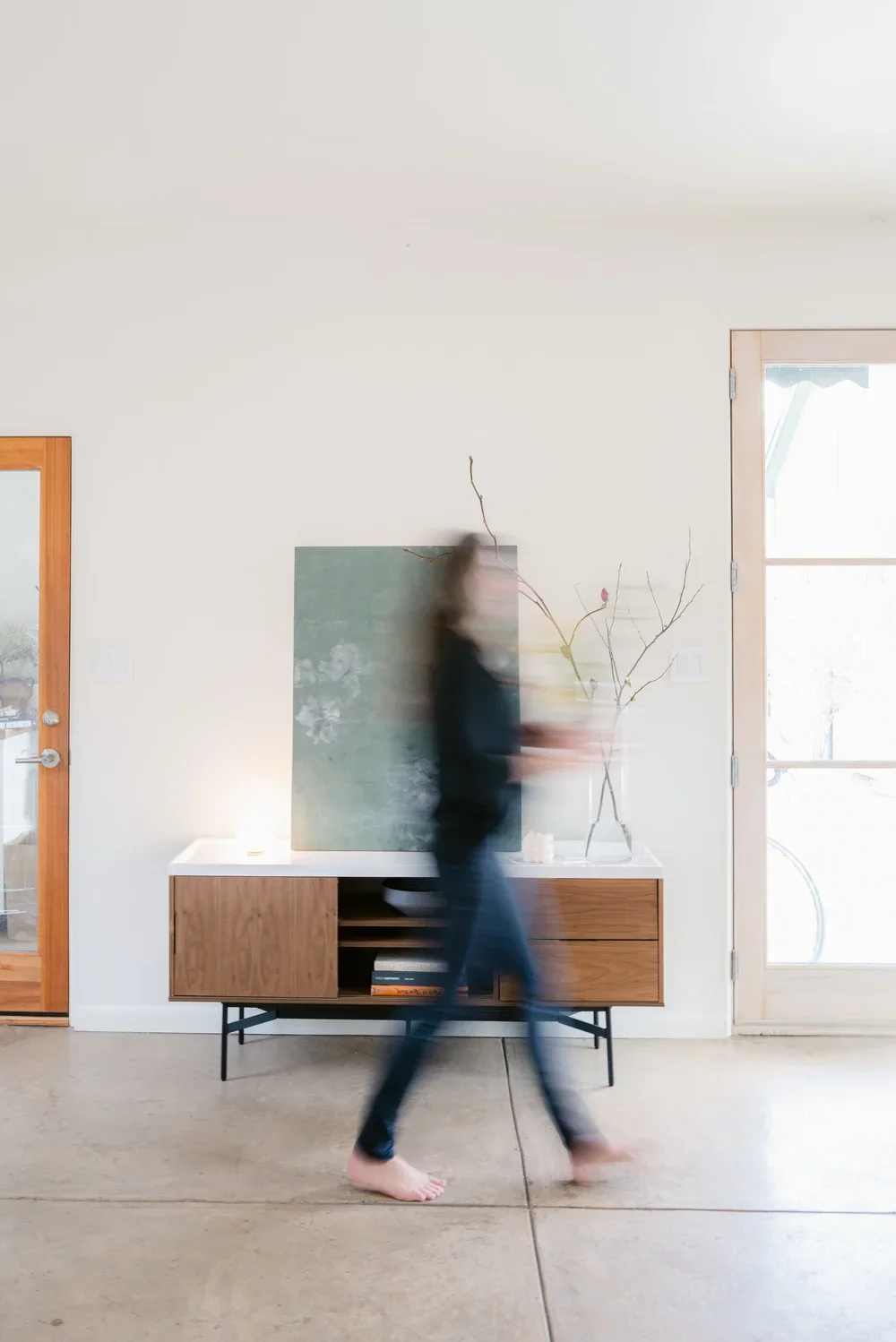
Where to Begin
Decluttering as Practice: The First Act of Moving Energy
Before any furniture is moved, any element introduced, or any color placed on a wall, Feng Shui asks one foundational thing of you: clear the clutter. This is not a metaphor. It is the single most impactful act available to anyone who wants to shift how their home feels, and it costs nothing but time and honesty.
Clutter, in Feng Shui terms, is not simply mess — it is unmade decisions. Every object that sits in your home without a clear purpose, a designated place, or genuine emotional resonance is a small weight on the energy of the space. Multiplied across a household, those weights become significant. They produce the low-grade friction that makes some homes feel draining rather than restoring.
The approach is simple, if not always easy: move through your home one area at a time and apply a single question to every object — does this earn its place here? Not "could it be useful someday," not "was it a gift I feel obligated to keep," but does it genuinely belong in this room, in this life, now. Objects that answer yes stay. Objects that don't are donated, stored, or released. What remains is a space that has been curated with the same intentionality we apply to a well-designed room.
About This Post
Part of the Boheme Design House Spring 2026 Journal — a seasonal series exploring the ideas shaping how we design, collect, and inhabit homes in Southwest Colorado.
Key Principles at a Glance
Chi flows freely through open, unobstructed spaces
The entryway is the Mouth of Chi — begin here
Clutter is unmade decisions; clear it first
The commanding position fosters calm and security
Five elements: Wood, Fire, Earth, Metal, Water
Sightlines to the landscape are sacred in mountain homes
Seasonal clearing honors the rhythm of mountain life
“One beautiful, intentional object beats ten competing for attention every time. When you live in the mountains and nature, the view is your anchor — let everything else support that.”
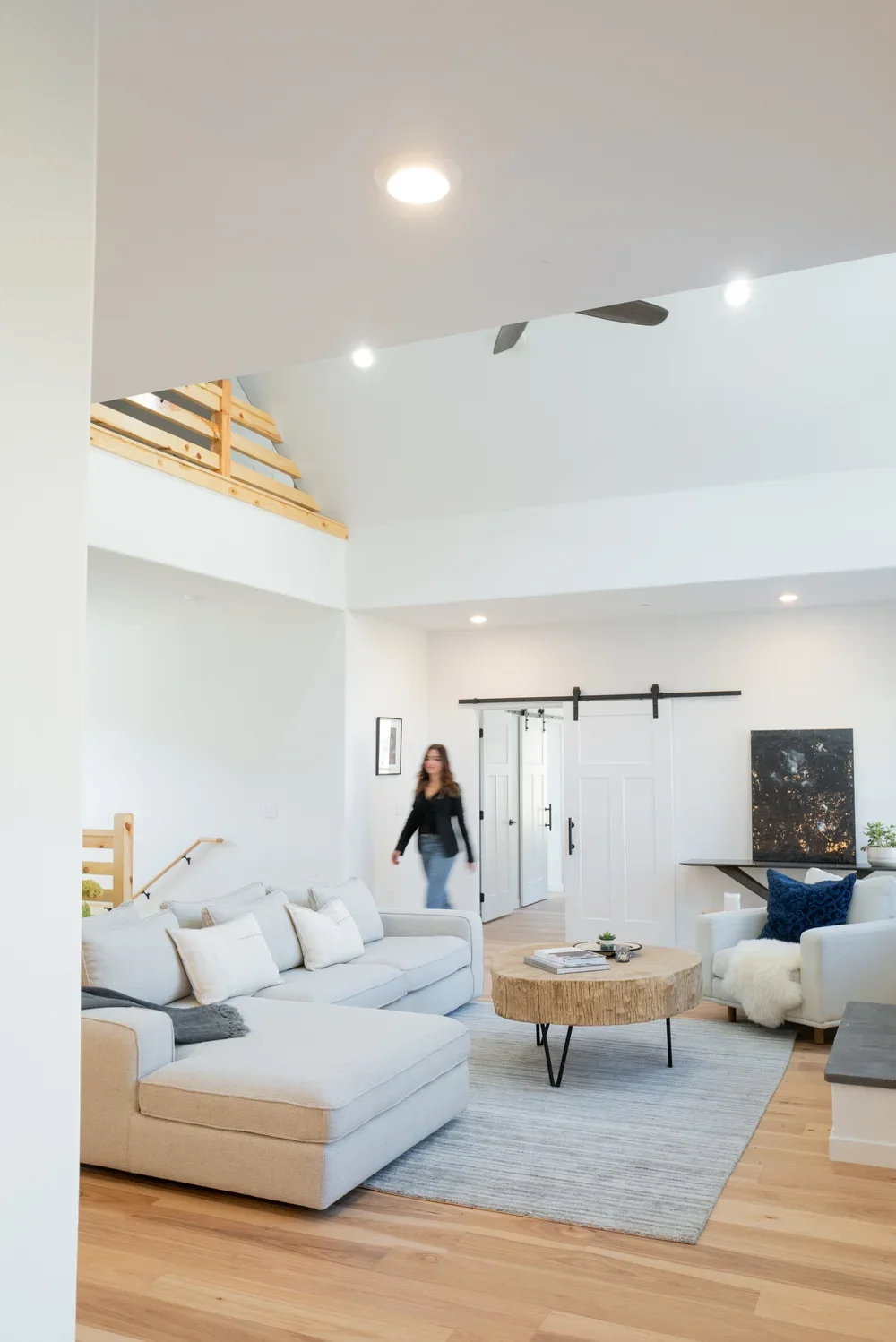
Starting Small — The One Move That Changes Everything
Feng Shui does not require a renovation, a new furniture budget, or an expert consultation to begin working in your life. It requires only attention — the willingness to walk slowly through your own home and notice how it feels. Where does your body tighten? Where does it relax? Where does your eye snag on something unresolved, and where does it rest with ease?
Begin at your front door. Clear everything that has accumulated there this winter. Oil the hinges if they squeak. Replace any burned-out bulbs. Set one beautiful, living thing — a plant, a small vessel, a stone from the trail — just inside the threshold. Then stand in the doorway and breathe. Notice whether the space invites you in or creates resistance.

Holiday Decorating with Natural Materials
Holiday Decorating with Nature
Deck the Halls Naturally: Holiday Decorating with Natural Garland, Dried Oranges & Cranberries


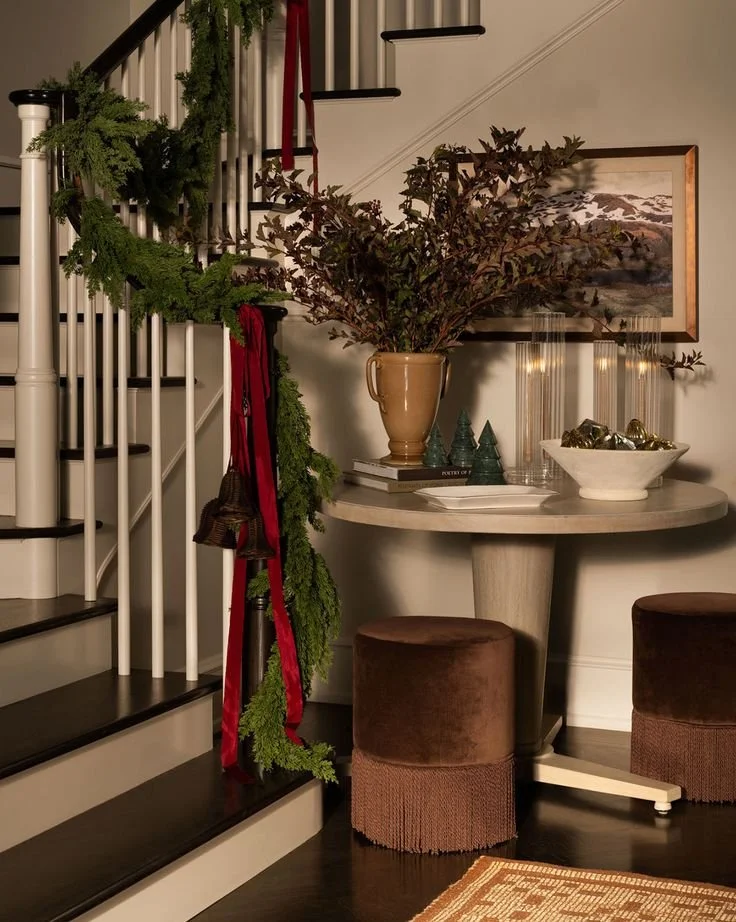

The holiday season is here, and it’s time to bring warmth and cheer to our homes. If you're looking to decorate in a way that's both timeless and eco-friendly, natural garlands, dried oranges, and strung cranberries are perfect choices. These natural elements evoke nostalgia, smell incredible, and add a handmade touch to your decor.
In a world of plastic ornaments and synthetic materials, natural decorations stand out for their sustainability and charm. Not only are they biodegradable, but they also bring the outdoors inside, filling your home with the cozy essence of the season. Plus, crafting with natural materials is a fun activity for all ages, making holiday prep an enjoyable family tradition.
Here's how to create stunning decorations with these simple yet elegant materials.
Crafting a Natural Garland
Natural garlands are the backbone of holiday decor. Here's how to make your own:
Materials Needed:
Fresh greenery (pine, cedar, eucalyptus, or a mix)
Floral wire or twine
Scissors or garden shears
Instructions:
Gather your greenery, trimming it into manageable sections.
Lay the pieces on a flat surface, overlapping the stems slightly.
Secure each piece with floral wire as you work, building the garland to your desired length.
For an extra festive touch, weave in dried orange slices, cinnamon sticks, or pinecones.
Tip: Keep your garland fresh by misting it with water every couple of days and avoiding direct sunlight.

Making natural dried orange slice garlands
Dried orange slices are a holiday favorite, bringing a pop of color and a subtle citrus aroma. Here’s how to make them:
What You’ll Need:
Fresh oranges
Sharp knife
Baking sheet
Parchment paper
Steps:
Preheat your oven to 200°F (93°C).
Slice oranges into ¼-inch thick rounds.
Arrange slices on a parchment-lined baking sheet.
Bake for 2-3 hours, flipping occasionally, until dry but not burnt.
After the slices cool, string with twine and a large darning needle or poke holes with small scissors.
Use these slices as ornaments, garland embellishments, or even as gift toppers.


Making cranberry garlands
Cranberry garlands are such a fun, festive tradition and the ruby red berries look so beautiful amidst all the green pine boughs and other Christmas decorations. This can be a super fun seasonal holiday tradition if you have kids too. It’s so easy, and the result is magical.

Materials:
Dark-colored string / baking string
Tapestry needle
Fresh cranberries (can be found in most grocery stores)
Fiskars scissors
Steps
First, measure how long you would like your garland to be. Cut a piece of string to that length, plus a few inches.
Now take your string and thread it through your needle.
Next, dump your bag of cranberries into a bowl for easy access.
Now you can start threading the cranberries onto your string! Simply poke the needle through the middle of the cranberry and slide it all the way down. Tie a knot at the end so the berries don’t slide off the end
Keep sliding cranberries along the string until it’s full.
Remove the needle and tie a knot at the other end of the string. Clip the excess string.
This cranberry garland is such a versatile and beautiful Christmas decoration. You can use it to decorate your Christmas tree, string it along your mantlepiece, hang it along a wall, drape it around a window, and so much more. I love the little pop of color it can add to a room, too! The best part is, cranberries (as we mentioned before) have a great shelf life. They dry out after a while, but still look pretty that way. And after you’re done with them, they’re biodegradable, too!

Fall Styling Tips for Living with Seasonality
Embracing the Seasons: Fall Interior Decorating & Styling with Nature
Embracing Autumn: Foraging for Fall Foliage to Style Your Home

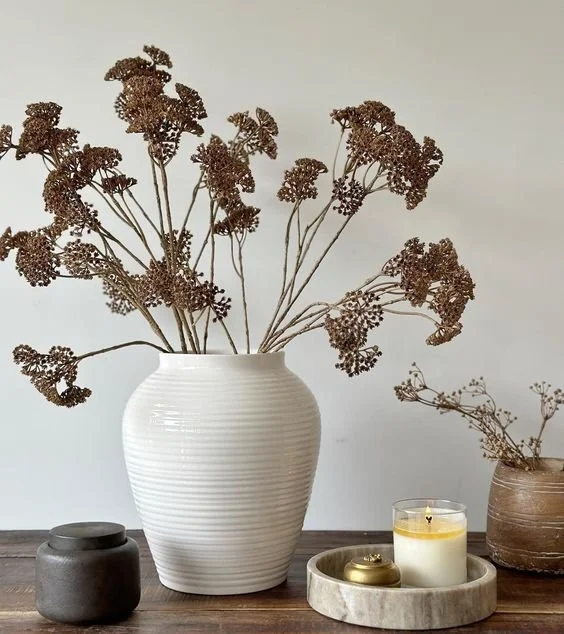


As the leaves begin to change, nature provides us with a vibrant palette that can transform our living spaces into cozy, seasonal retreats. Foraging for fall foliage is not only a delightful way to enjoy the crisp air and stunning colors but also a sustainable method to bring the beauty of autumn indoors. Here’s how to gather, style, and appreciate the rich textures and hues of fall foliage.
The Beauty of Foraging
Foraging is a wonderful way to connect with nature and engage your senses. As you wander through parks, forests, or your own backyard, take a moment to appreciate the diversity of colors—from fiery reds and oranges to muted yellows and deep browns. The process itself can be meditative, allowing you to slow down and enjoy the sights and sounds of the season.
Tips for Responsible Foraging
Know Your Environment: Familiarize yourself with local flora. Some plants may be protected or toxic, so it’s essential to research what’s safe to collect.
Leave No Trace: Only take what you need and avoid stripping trees or plants bare. A few leaves from each plant can ensure they continue to thrive.
Check for Pesticides: If you’re foraging in urban areas, be mindful of potential pesticide use. Stick to areas that are free from chemical treatments.
Timing is Key: The best time to forage is during the peak of fall when colors are at their most vibrant. Check local foliage reports to find the perfect moment.
What to Gather
When foraging for fall foliage, consider collecting a mix of leaves, branches, berries, and even pinecones. Here are some elements to include:
Leaves: Maples, oaks, and varities of plum and ornamental fruit trees offer stunning colors and unique shapes.
Branches: Twigs and branches can serve as natural decor, adding height and texture to arrangements.
Berries: Bright red or orange berries from plants like bittersweet, holly or winterberry can add pops of color.
Grasses: Karl Foerster, Blue Grama Grass and other grasses can lend a nice ethereal touch. Even types of tumble weed can present itself as interesting material.
Acorns and Pinecones: These natural elements can enhance your autumn display with their earthy tones.
Styling with Fall Foliage

foraged fall branches make a lovely arrangement on their own
Once you’ve gathered your bounty, it’s time to get creative! Here are some ideas for incorporating your foraged finds into your home decor:
1. Nature-Inspired Centerpieces
Create a stunning centerpiece for your dining table using a mix of leaves, branches, and berries. Use a simple vase or even a rustic bowl to showcase your collection. Add candles for warmth and ambiance.
2. Wreaths and Garlands
Craft a beautiful wreath or garland for your front door or mantel. Use a base of twigs or wire, and attach your foliage using floral wire or twine. This not only welcomes guests but also brings the outdoors in.
3. Table Settings
Incorporate leaves and small branches into your table settings. Use them as place cards, or scatter them across the table for a rustic, woodland feel. Pair with seasonal candles and earthy dishware for a cohesive look.
4. Wall Art
Press leaves between heavy books to create natural art. Once dry, frame them or use them as part of a larger gallery wall. This adds a personal touch and serves as a reminder of your foraging adventure.
5. Seasonal Displays
Create a dedicated fall display on a shelf or side table. Combine your foliage with pumpkins, candles, and other autumnal decor for a festive vibe.


Final Thoughts
Foraging for fall foliage is not just about decorating your home; it’s about experiencing the season in a deeper, more meaningful way. As you gather and arrange, you’re creating not just decor, but memories of time spent outdoors. So, grab your basket, embrace the beauty of autumn, and let your creativity flow! Happy foraging!