
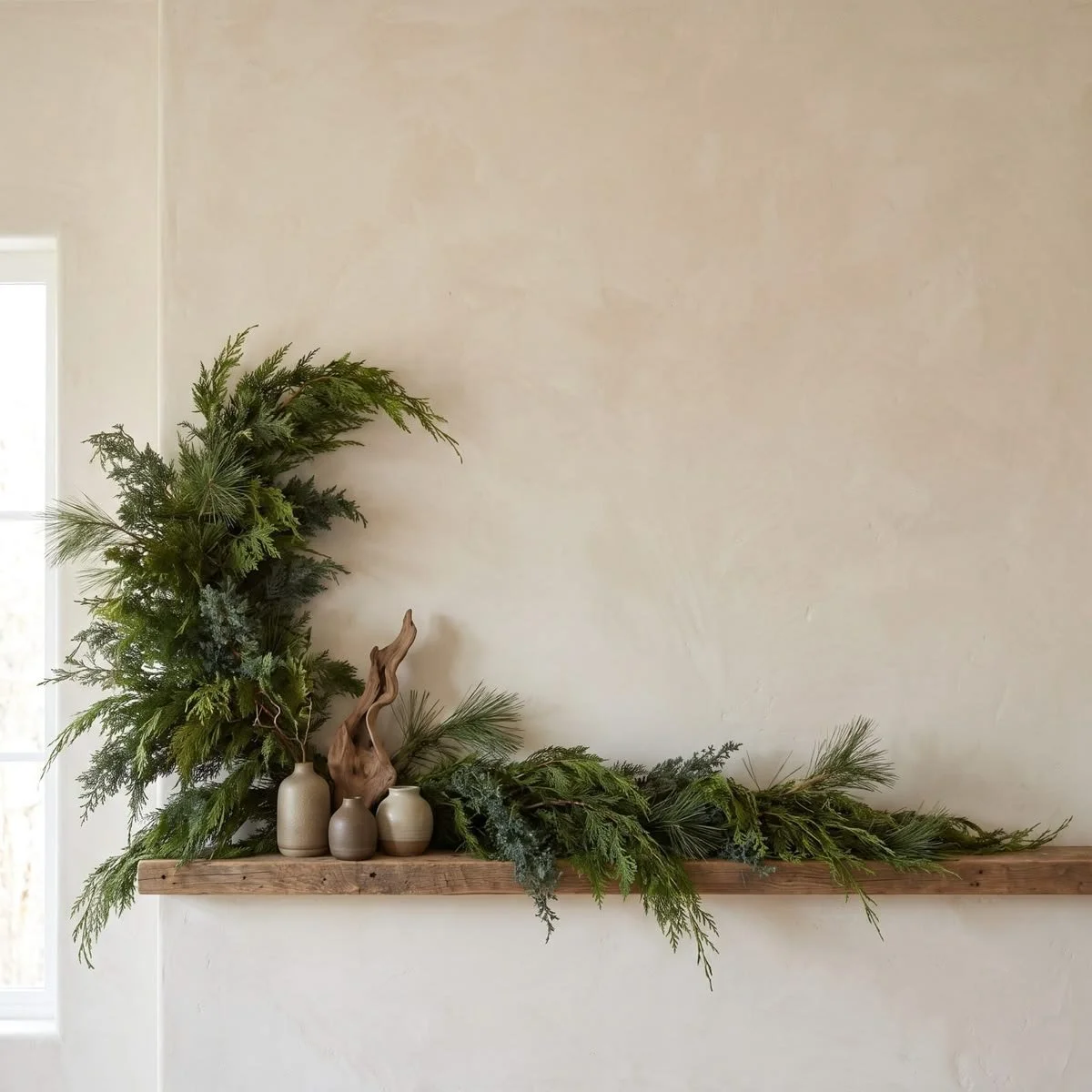
Transitioning with the Seasons
Styling Your Home with Nature for the Holidays
Bringing the Outdoors In: Styling Your Home from Fall Through the Holidays
BOHEME DESIGN HOUSE · FALL 2026 · JOURNAL NO. 10


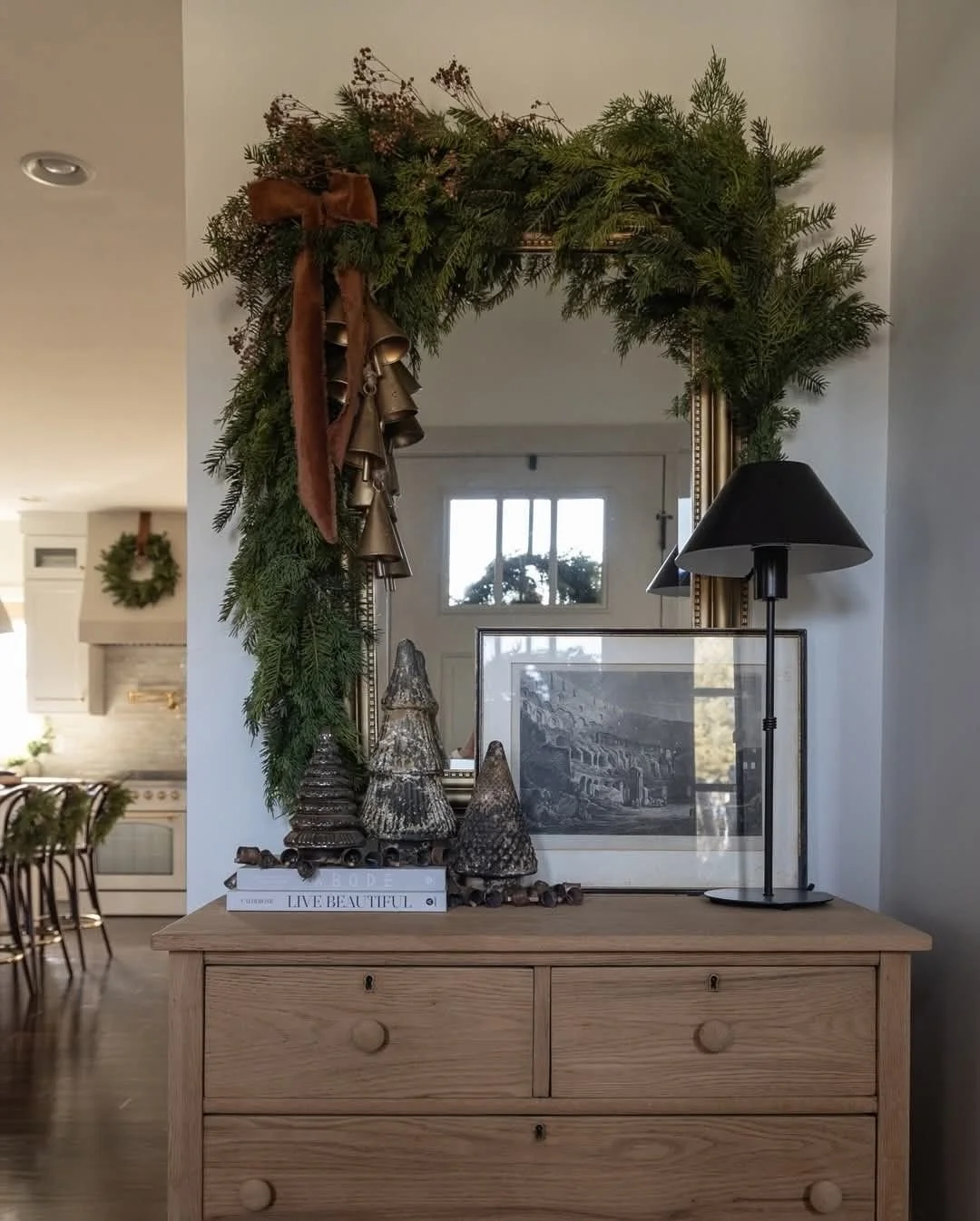
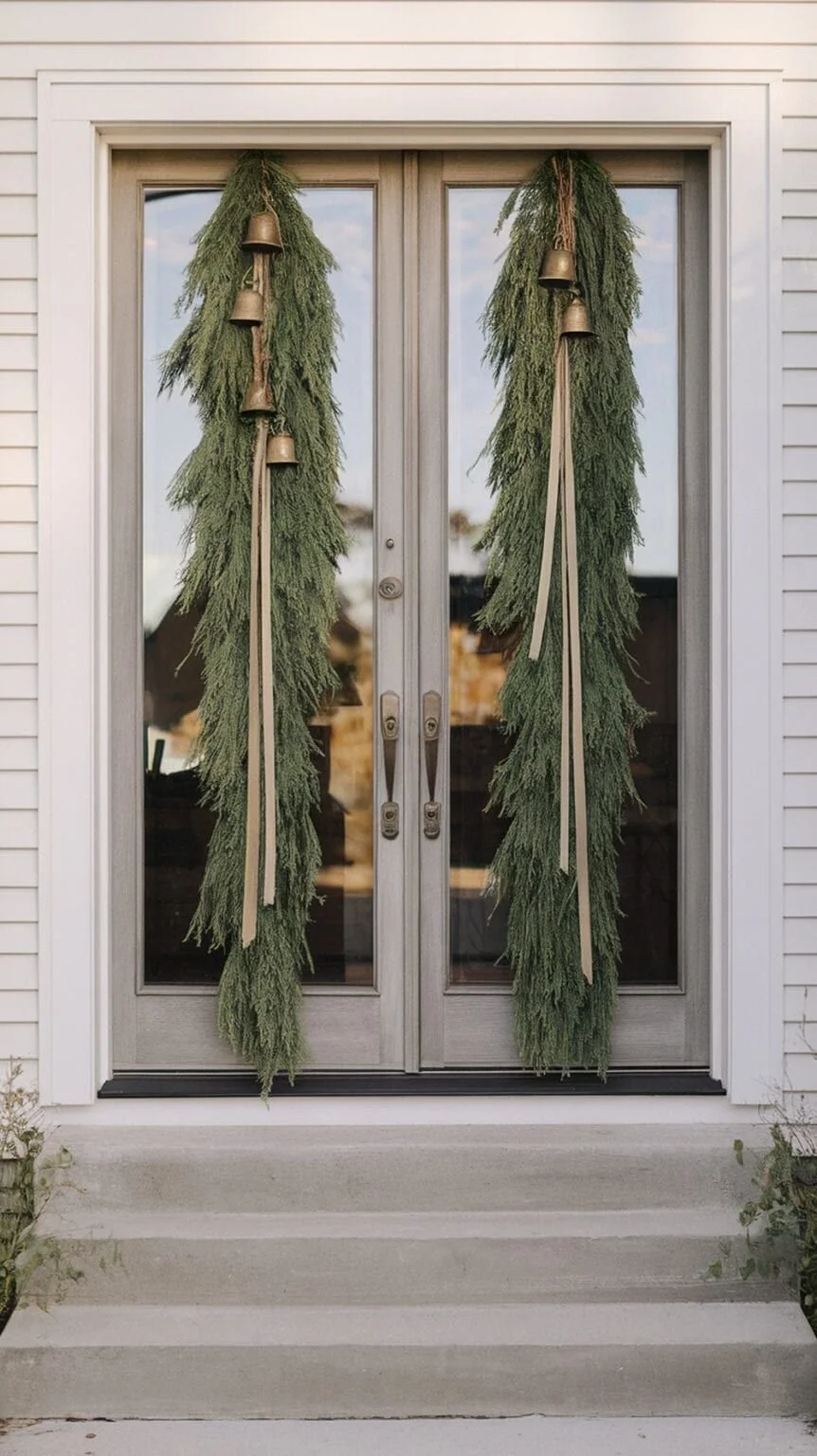
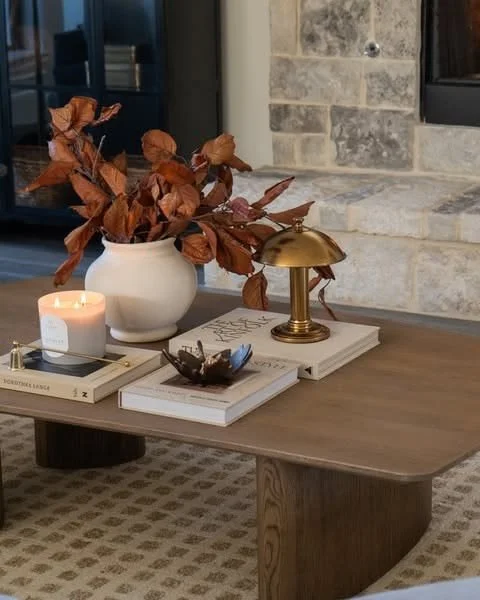

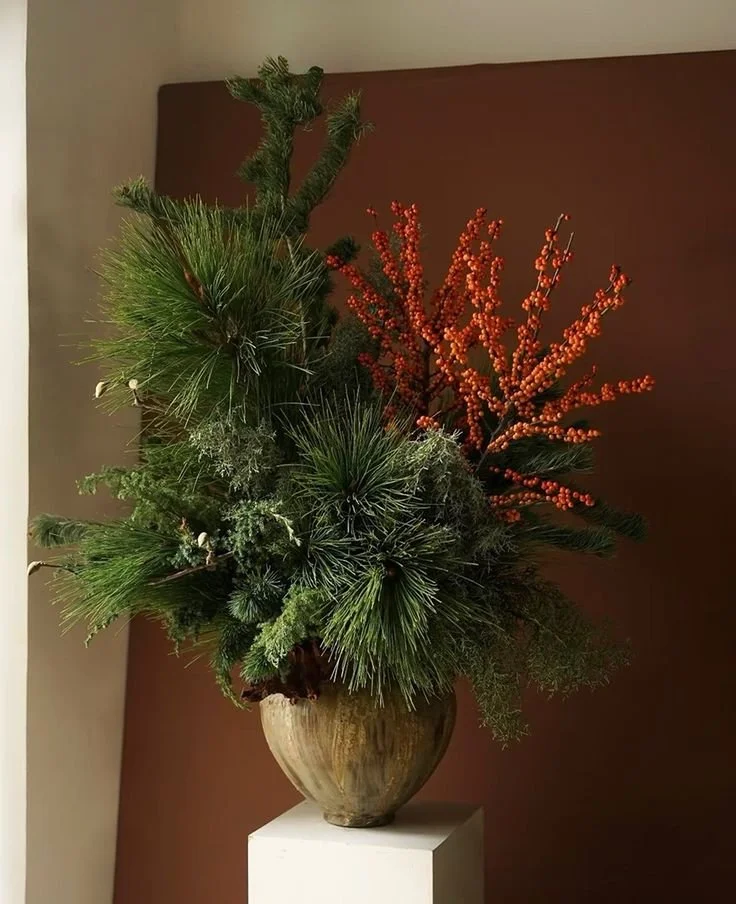
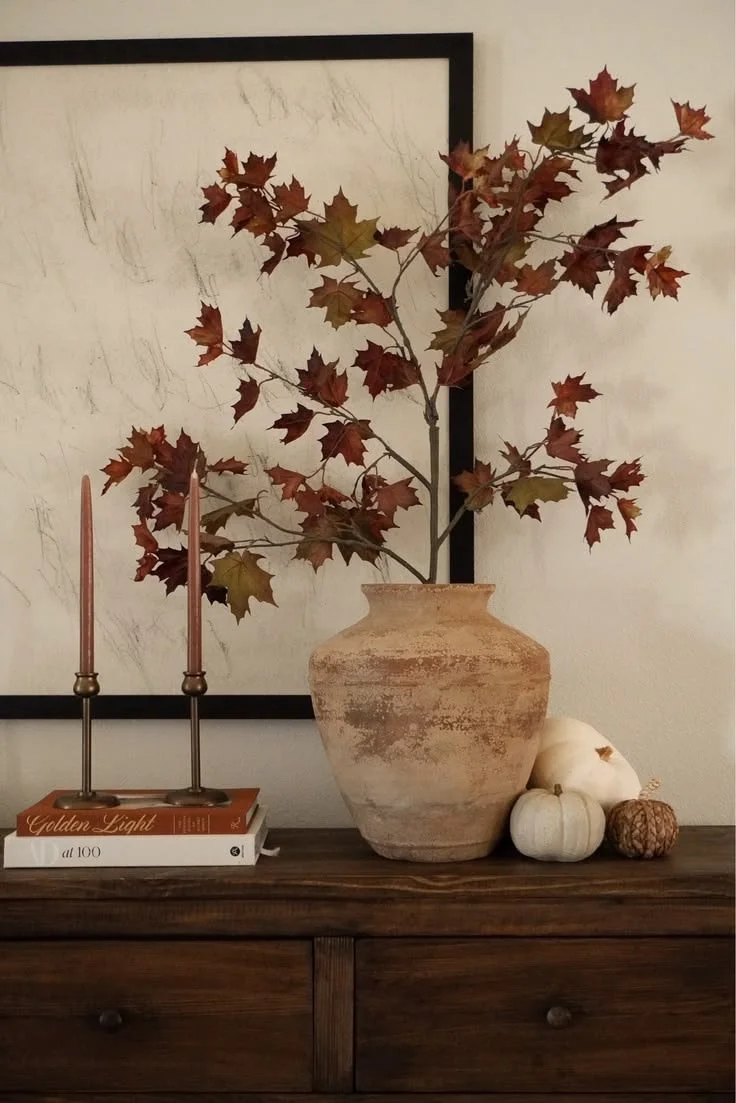
I look forward to this seasonal shift every year in Southwest Colorado -when the aspens have dropped their gold, the light turns low and amber, and the air becomes crisp and smells faintly of leaves and woodsmoke in the valley. The mountains, dusted with white, are quietly telling us to slow down, be a little more quiet and intentional and of course embrace the sense of cozy. Fall into winter is truly the season of “hygge”, the Danish and Norwegian word that describes a mood of coziness, safety, and comfortable conviviality… a fire going, a good book, a very soft throw blanket, music on and a pot of soup on the stove.
And for me, especially, this is the season of noticing how nature and plants are changing out the back door, in your yard, neighborhood and favorite trails.
The best seasonal decorating is in tune with this seasonal shift. Rather than a trip to the big-box aisle for plastic pumpkins and shiny ornaments, we like to let the landscape do the work: branches, grasses, seed pods, stones, evergreens, dried citrus, and natural textiles like wool and linen. Bring the outdoors in, and your home shifts with the season and embraces this natural sense of calm.
Ever since I was little - I enjoy taking stock in what the grasses and hardwoods are doing, the perennial plants turning in for winter. I make a list in my head while on walks - what materials can I gather and use for making things and decorating… native gramma grass, scrub oak branches are abundant, seed pods like dried poppies, the iridescent pearl silver dollars of Money Plant (Lunaria annua), seed plumes of Clematis and Apache Plume (Fallugia paradoxa), and a favorite, Love-in-a-Mist (Nigella damascena), seed stalks of alliums, as well as vines like grapevine or Virginia Creeper that has turned red with purple-blue berries.
We wanted to share how you can also become an observer of nature and bring the outdoors in to decorate with the seasons. Here’s how we layer it, from the first crisp days of fall right through the holidays.
Start with the Palette the Season Already Gives You
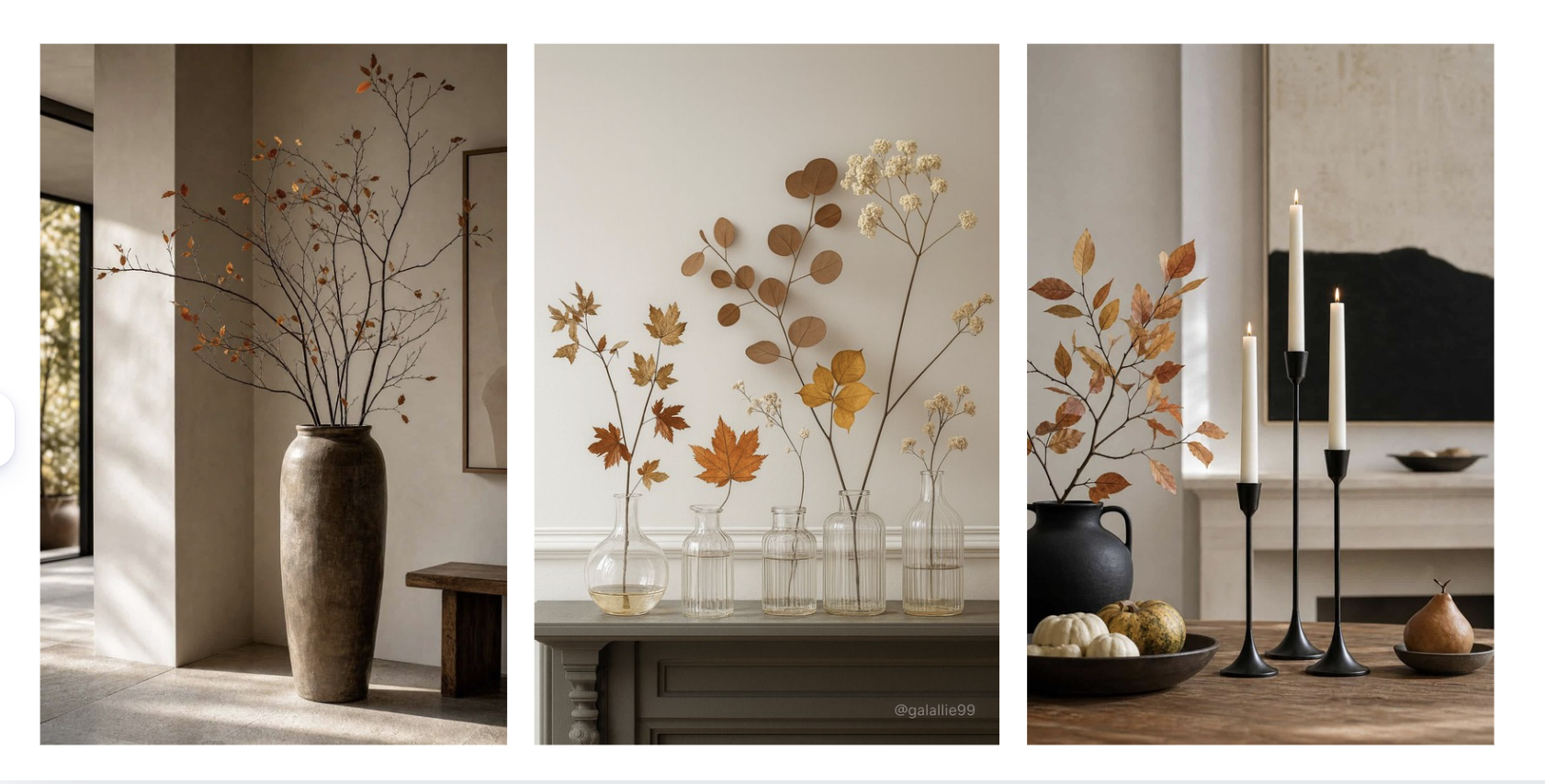
Decorating with seasonal natural elements
Before you buy or gather anything, look out your window. Right now that's rust, ochre, burnt sienna, deep olive, bark brown, and the soft silvery green of sage and juniper. Add the creams and oatmeals of dried grasses, and you have a palette that works with almost any home built on warm neutrals.
As fall melts into winter, the palette simply deepens and cools: forest and spruce green, warm white, cranberry, and touches of brass or copper. You're not redecorating, you're editing toward the season, which is the most sustainable approach there is.
Textiles: The Fastest Way to Change a Room

If you do only one thing, change your textiles. Pillows, throws and rugs shift the mood of a room more quickly, and for less money, than anything else. Locally, we have some wonderful resources like Artesanos, Urban Market, A Shared Blanket (fair trade alpaca) and even Sien & Co to find pillows, throw blankets and artful textiles.
Pillows. Swap your summer covers for natural, tactile fibers: nubby wool, linen in rust or oat, velvet in olive or deep clay, and anything with a handwoven or block-printed pattern. Mix scale and texture rather than matching sets: one solid, one subtle stripe, one with a bolder organic motif. Buy covers rather than whole pillows so you can use your existing inserts, and store the off-season ones for next year.
Throw blankets. Layer, don't just drape. A chunky wool or alpaca-blend throw over the arm of the sofa, a lighter linen or cotton throw folded at the foot of the bed, and a sheepskin over a reading chair give you the cozy, hygge feeling we love without a single new piece of furniture. Look for natural fibers like wool, cotton, linen and mohair, which breathe, last for decades, and age beautifully.
Rugs and drapery. If you have the room, add a layered wool or jute rug beneath your main one for depth. Heavier linen or lined drapery in the colder months adds warmth and softens echoey winter light.
The Coffee Table: Your Seasonal Still Life
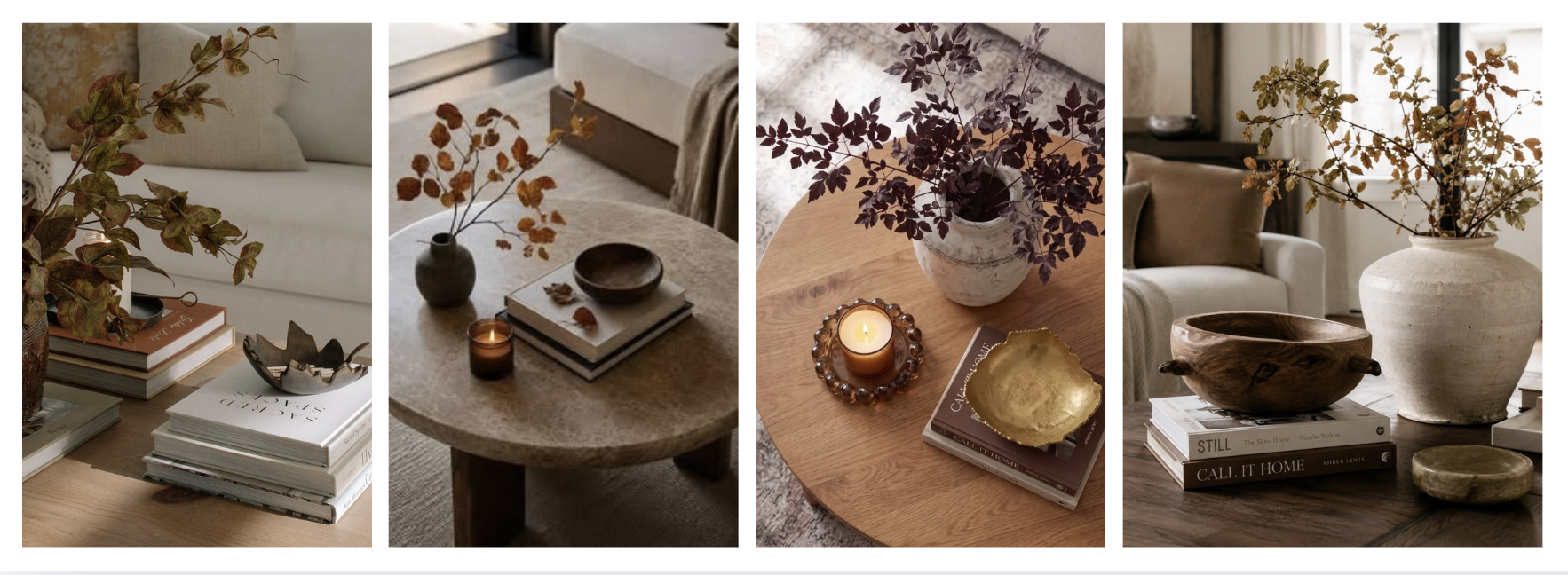
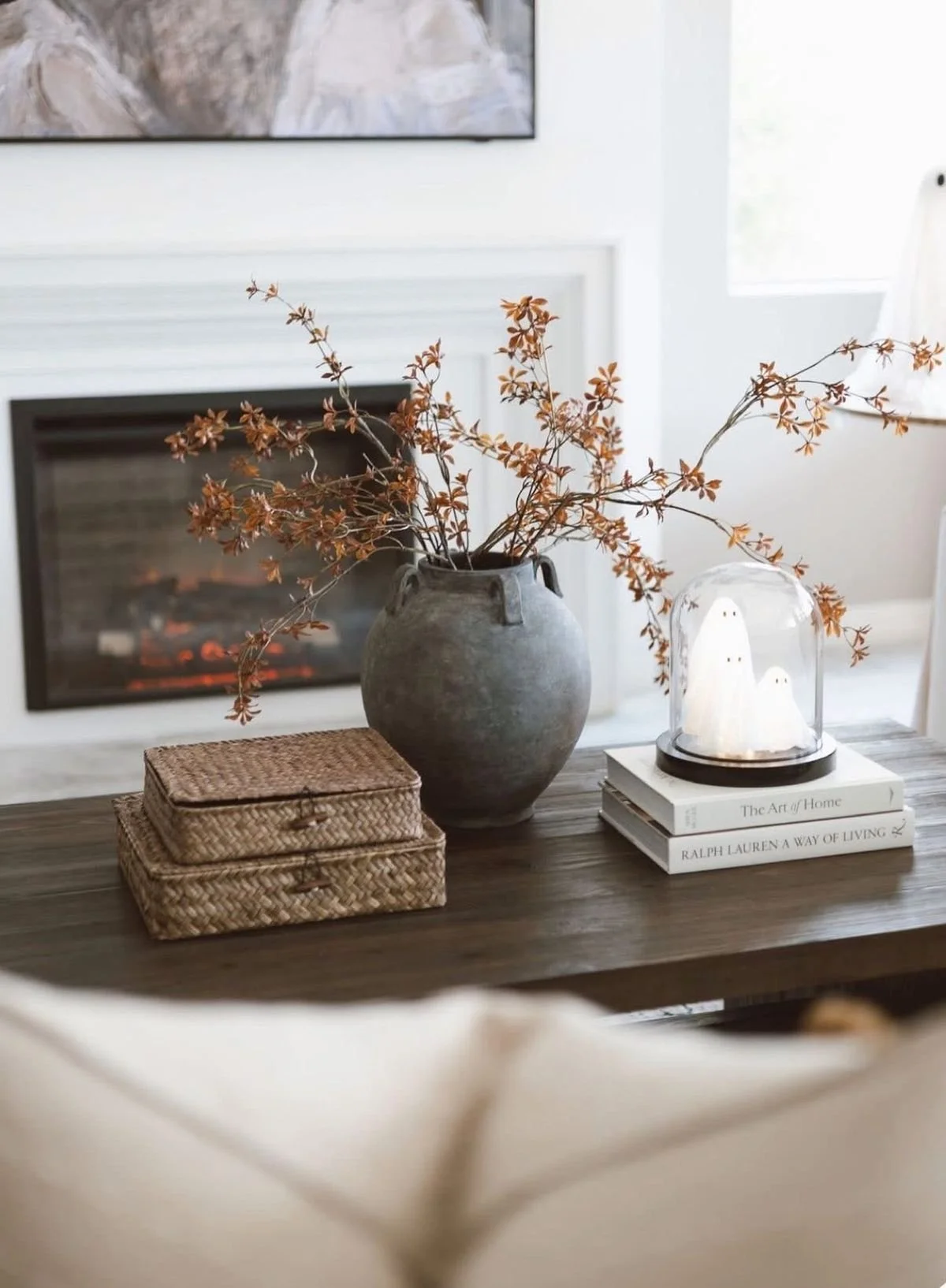
The coffee table creates a natural stage for the season. We style it like a still life, with a few intentional elements instead of many competing ones.
Warm light and scent: a candle in amber, cedar, cinnamon or orange. Group in odd numbers, and keep the height varied. Look for small batch made and all natural ingredients!
A grounded base: a wood tray or a stack of two or three large-format art books to give everything height and structure. Rotate your books on display with the seasons…. ski chalet or winter cabins versus those of gardens or summer-like notes.
Something living or once-living: a low bowl of pinecones, acorns or dried seed pods, or a small vase of foraged branches.
A vessel with character: a handmade ceramic piece, ideally from a local maker, which adds an artful, sculptural note.
The rule we return to often: one beautiful, intentional object beats ten competing for attention.
Shelves, Mantels and Surfaces:
Edit, Then Layer
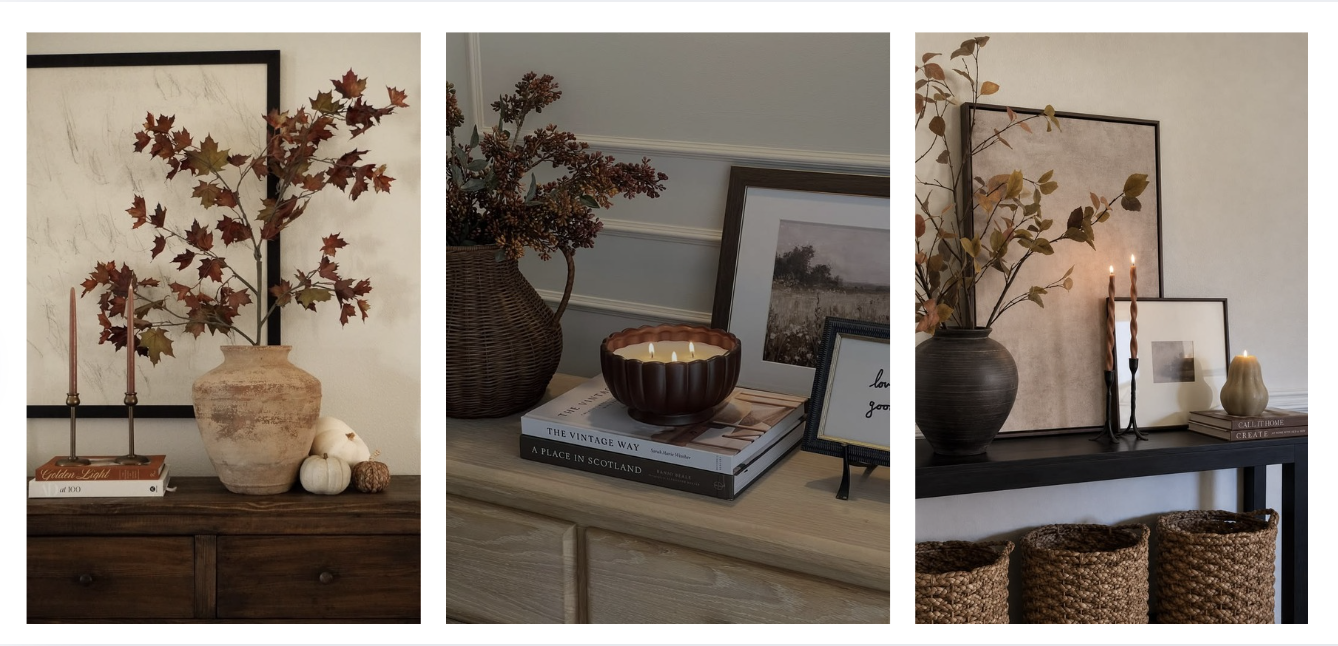
Bookshelves, credenzas and mantels are where seasonal styling can tip into clutter, so start by editing. Clear a little space, then bring in the season in groupings of three.
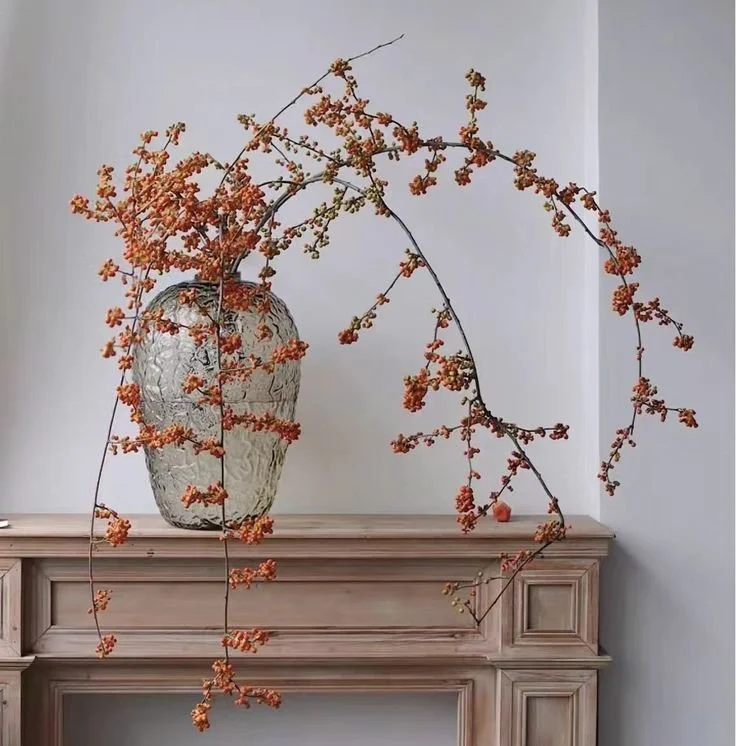
Branches and grasses: a tall vase of foraged branches or dried pampas and native grasses adds height and movement. Hang on to anything that dries beautifully, because many of these arrangements last well into winter.
Stones, shells and found objects: a smooth river stone, a bit of driftwood or a bleached antler shed brings in the quiet permanence of the landscape.
Pressed leaves and botanical art: tuck pressed leaves into simple frames and lean them among your books.
Candles and lantern light: as days shorten, light becomes the most important accessory in the room. Mix pillar candles, tapers and a lantern or two.
Leave breathing room: negative space is part of the design. Let the eye rest.
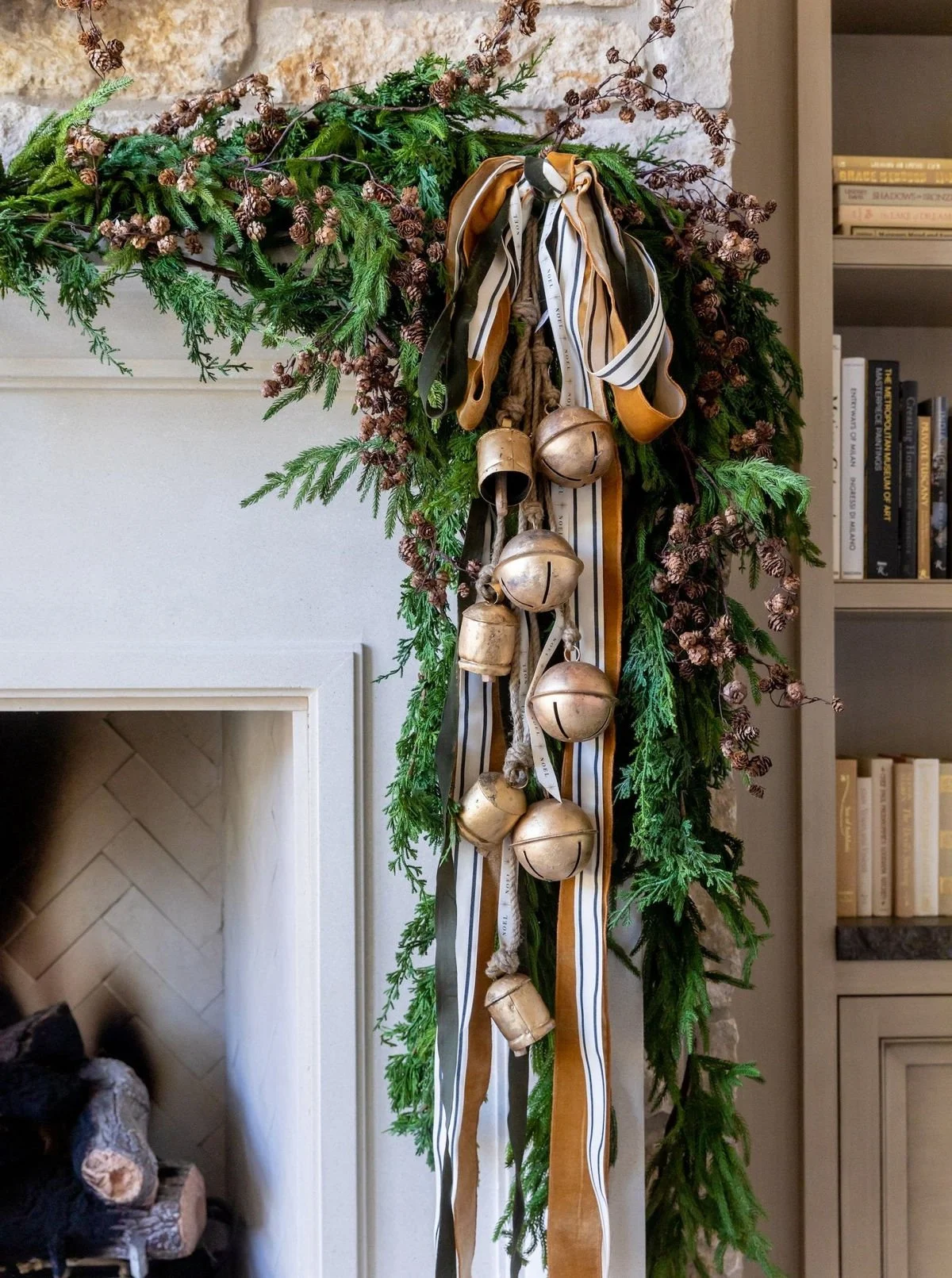
Moving Into the Holidays: Evergreens, Citrus and Spice
When the season turns toward the holidays, you don't need to start over. Slide your autumn palette toward evergreen and warm white, and keep the natural materials.
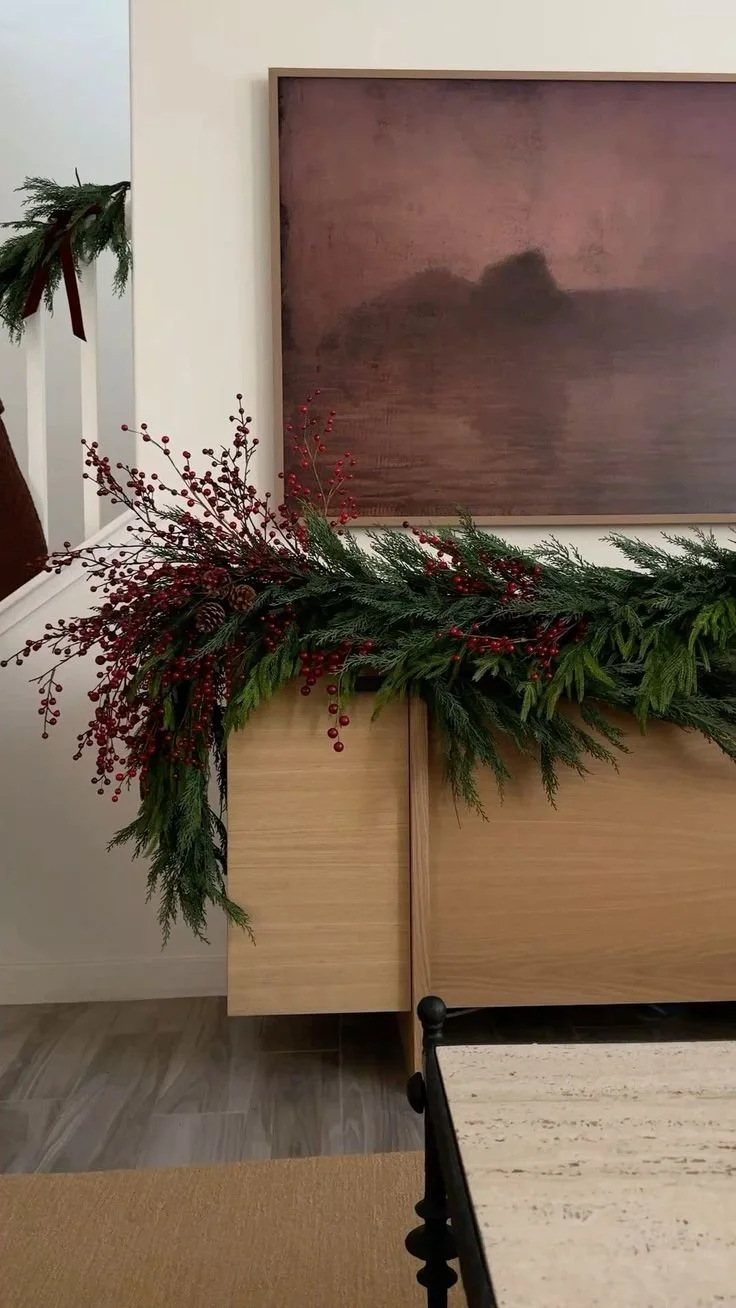
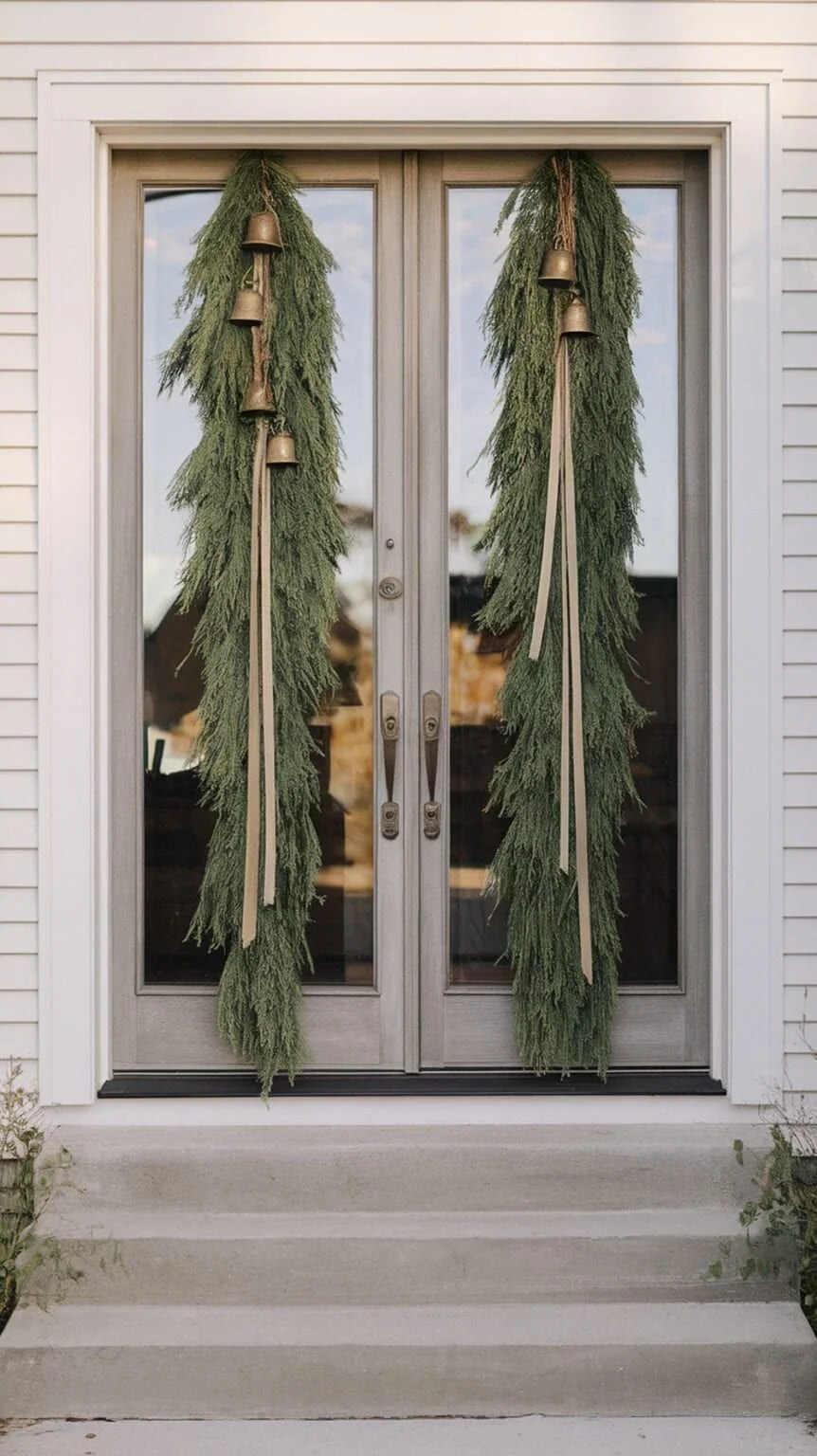
Fresh greenery: pine, cedar, juniper and eucalyptus on a mantel, down the center of the dining table, or tucked into a vase by the front door. Mist it every few days to keep it fresh.
Dried orange slices and cinnamon sticks: threaded into a garland or tucked into a bowl, they fill the house with scent. (See our natural garland, dried orange and cranberry tutorial for step-by-step instructions.)
Cranberries and pinecones: strung, bowled or scattered, they bring a spark of red and a whole lot of nostalgia.
Wool and sheepskin accents: swap rust pillows for deep green, cream or cranberry in the same textures, and keep your throws within reach for evenings by the fire.
A tabletop tree or branch arrangement: if you don't want a full tree, a collection of bare branches with a few delicate ornaments is a graceful, low-waste alternative.
About This Post
Part of the Boheme Design House Seasonal 2026 Journal — a seasonal series exploring the ideas shaping how we design, redesign, reimagine, adapt and inhabit homes and outdoor spaces in Southwest Colorado.
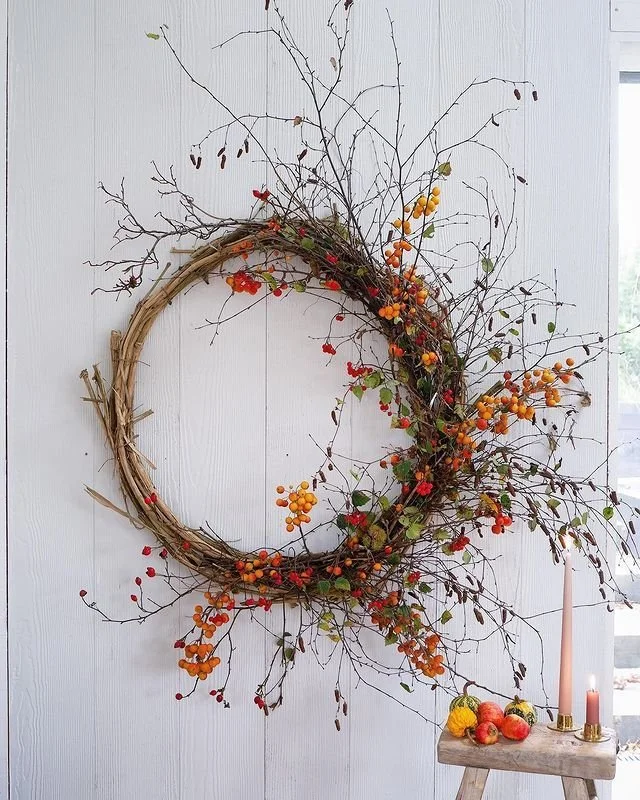
Foraging List
Head into your yard, neighborhood alleys and local trails to find elements (you know are ok to take):
OAK BRUSH - be mindful how you choose branches and snip to ensure health of the plant.
GRASSES - take only the small amount of what you need and leave a good amount of the plant tuff to reseed and spread in spring.
VINES - snip a few runs from different plants
PERENNIALS - cut dry stock and stems and if it doesn’t disturb the integrity of the plant… shake and distribute seeds while harvesting.
PINE CONES: A signature of fall into winter
EVERGREEN | CEDAR: As we move more into winter
A Note on Foraging Responsibly
We love gathering from the landscape, but we also love leaving it intact. Take only what you need, snip a little from many plants rather than stripping one, avoid anything that's protected or toxic, and always check local land rules before collecting on public land. Your own yard, a friend's property, or fallen material from a hike are all good places to start. As we shared in our fall foraging journal, the gathering itself becomes part of the season's ritual.
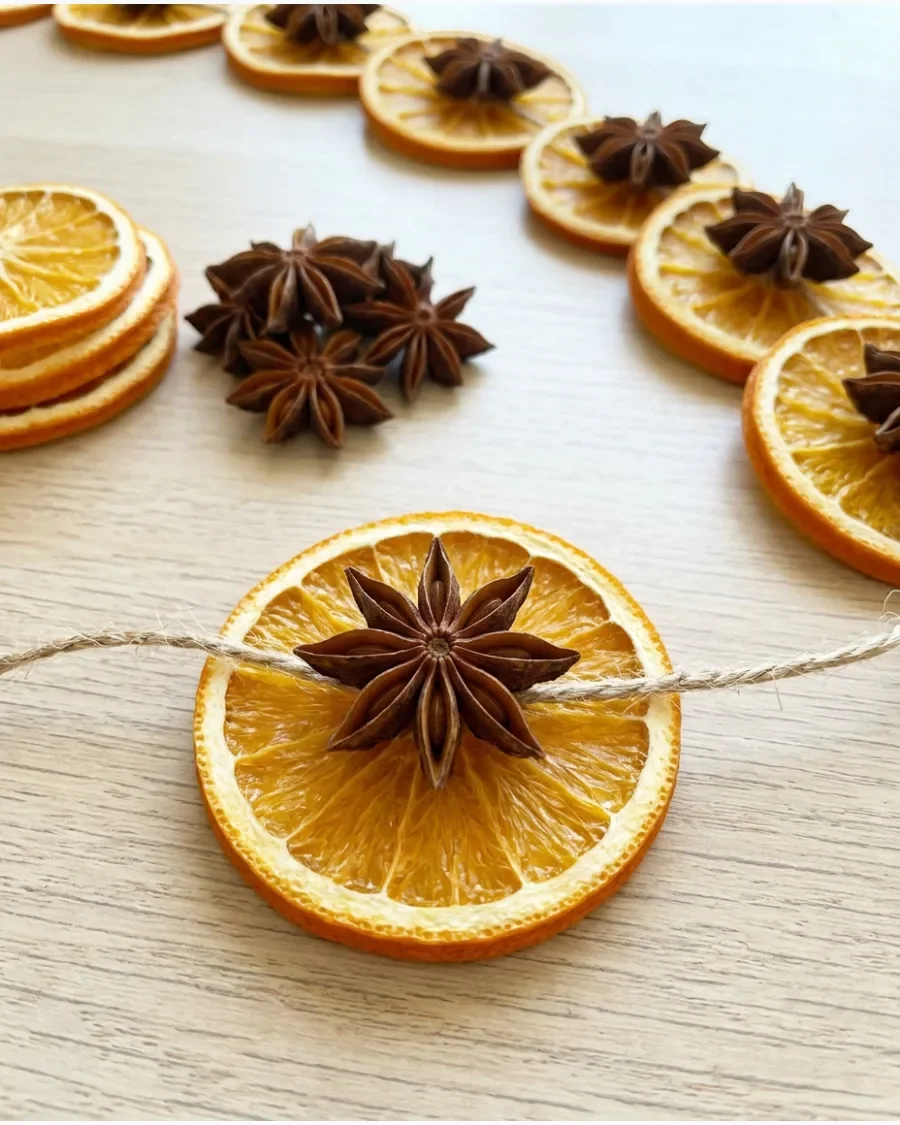
If you can’t forage, here’s a shopping list of natural elements
Head to the Farmer’s Market, a local farm stand or Durango Natural Foods to find
POMEGRANATE - great to add to any display in your dining area, kitchen fruit bowls, etc.
CITRUS - slice and dry in your oven at 175-200 degrees or as Orange Pomanders - dried whole with cloves
WALNUTS - add to centerpiece design or a small decorative bowl
CRANBERRIES - thread for a vibrant natural garland
SPICES - cinnamon sticks, cloves and star of anise are a lovely addition to both your seasonal spice drawer and natural garlands
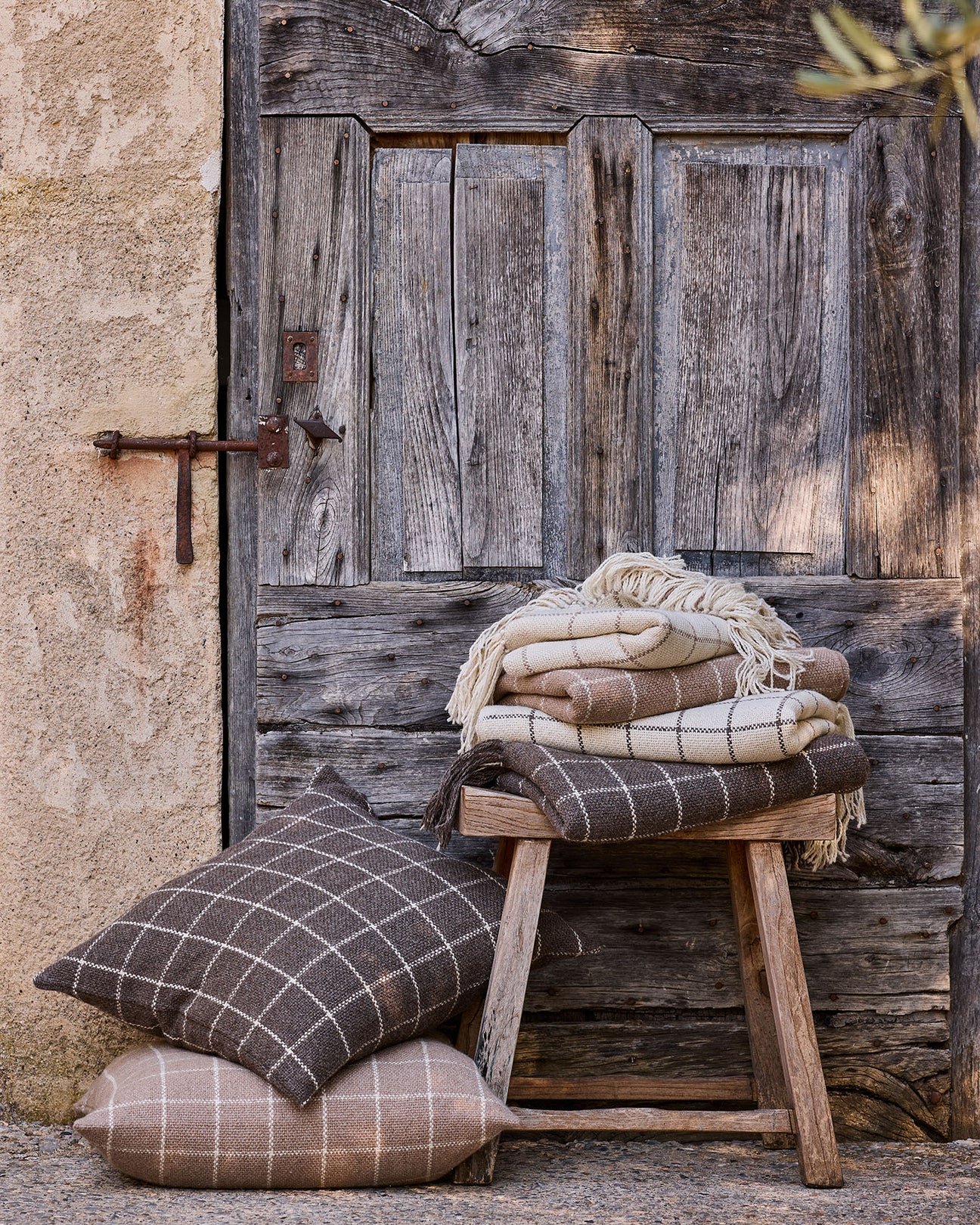
Natural textiles from Sien & Co. make a lovely seasonal addition or change to space

A Season of Less, but Better
Seasonal decorating shouldn't feel like another to-do. It's a way of noticing what's happening outside and inviting a bit of it in: a branch from a morning walk, a wool blanket that finally comes out of storage, a candle lit as the light fades. The result is a home that feels grounded, warm and unmistakably yours, and one that will transition easily from golden fall into the glow of the holidays.
Want help layering your home for the season, from textiles and styling to full seasonal refreshes? Reach out for a complimentary 15-minute consultation. We'd love to help you bring your home into the season! Email Us today to get ready for the holidays or help with a seasonal shift.


The Home Refresh
The Curated Home Refresh
The Curated Refresh: Why You Don't Need a Full Renovation to Fall Back in Love With Your Home
BOHEME DESIGN HOUSE · LATE SUMMER 2026 · JOURNAL NO. 09
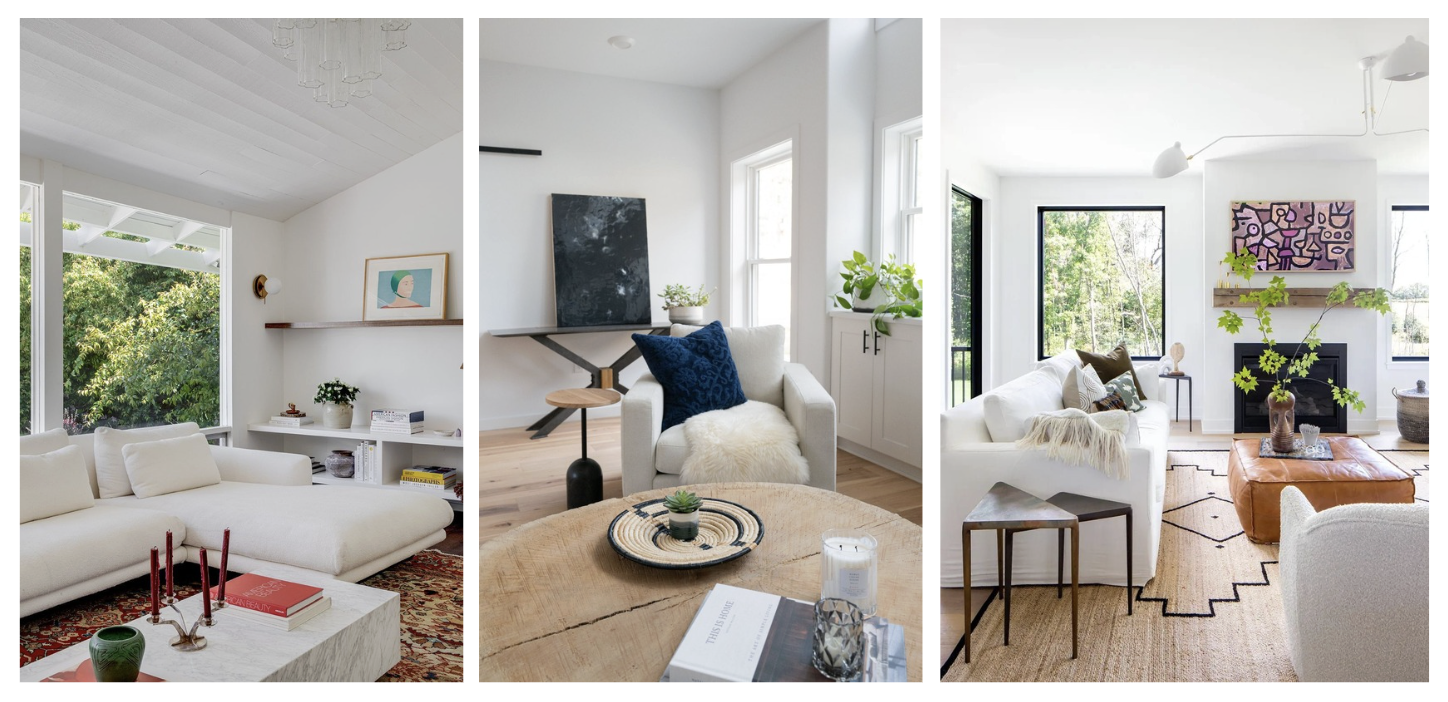
There's a specific kind of restlessness that creeps in with a home you otherwise love. Nothing is wrong, exactly. The bones are good, the layout works, the light still hits the living room just right in the afternoon. But something feels tired. Dated. A little out of step with who you are now versus who you were when you first furnished the place.
That feeling is usually not a renovation problem. It's a furniture problem.
Enter the Curated Refresh
This season, I'm formally introducing a service I've been doing informally for years, because enough clients have asked for exactly this: the Curated Refresh, a Home Refresh & Furnishings Edit designed for homes that don't need to be gutted, just reconsidered.
It's the difference between renovation and editing. We're not moving walls or ripping out cabinetry. We're doing something closer to what a great stylist does with a wardrobe: keeping the pieces that still earn their place, retiring the ones that don't, and bringing in a handful of new items that pull the whole room into focus.
What This Actually Looks Like
The process starts with a walkthrough, room by room, where we look at everything with fresh eyes. That sofa you bought eight moves ago? Might just need new upholstery. The dining chairs? Maybe those are the problem, not the table. This is where we sort what stays, what gets a second life, and what's ready to go.
From there, we build a concept: layouts, materials, a color story, so every new piece is chosen with intention rather than picked one-off from an online cart at midnight. Then comes sourcing: trade selections, custom pieces where needed, and a clear view of cost before anything is purchased.
And then, the part clients tend to love most: the swap-out. Old furniture gets donated or consigned, new pieces arrive and get placed, and in the span of a day or two, the room simply becomes different. Same walls. Same windows. Entirely new feeling.
Five Tips for Refreshing a Room Yourself (Before You Call In Help)
Not every room needs a full professional edit, some just need a nudge. If you're taking a first pass on your own, here's where I'd start:
1. Do a "keep, fix, or go" pass before you shop.
Walk each room and sort every piece into one of three piles. Be honest about the "fix" pile, most of the time it's cheaper and better for the planet to reupholster or refinish a well-made piece than replace it with something new.
2. Edit before you add.
It's tempting to shop first, but removing even one or two overcrowded or mismatched pieces will do more for a room than a new accent chair will. Clear the space, then see what it's actually asking for.
3. Anchor the room in one thing you're not changing.
A rug, a piece of art, a wood tone you love, pick one fixed point and build the rest of the palette around it. This keeps a refresh from feeling like a bunch of unrelated purchases.
4. Swap textiles before you swap furniture.
New pillow covers, a different throw, updated drapery, these are the lowest-cost, lowest-risk way to shift a room's whole mood. Sometimes that's all a space actually needs.
5. Photograph the room before you touch it.
It sounds simple, but a "before" photo makes it much easier to see a room objectively, the way a designer would, instead of the way you're used to seeing it every day.
When It's Time to Bring in a Designer
If the "keep, fix, or go" pass leaves you with more questions than answers, or if the idea of coordinating removal, delivery, and install on your own sounds like a second job, that's usually the sign a guided refresh makes sense. A second set of trained eyes tends to save people from the two most common refresh mistakes: replacing pieces that only needed a small fix, and buying new furniture that solves nothing because the underlying layout was never the problem.
A Refresh, Not a Reset
There's a quiet kind of relief in realizing your home doesn't need to be reinvented, just refreshed. The Curated Refresh is built for that. It respects what's already working, clears out what isn't, and leaves you with a space that finally feels current, without losing the parts of it that felt like home in the first place.
Curious whether your space is a good fit for a Curated Refresh? Reach out, I'd love to walk through it with you.
About This Post
Part of the Boheme Design House Summer 2026 Journal — a seasonal series exploring the ideas shaping how we design, redesign, reimagine, adapt and inhabit homes and outdoor spaces in Southwest Colorado.
Who It's For
This service tends to resonate with people who:
Love their home's structure but feel out of sync with how it's furnished
Have a few sentimental or genuinely good pieces they want to keep, not replace
Want the impact of a redesign without the timeline or expense of construction
Are ready to finally deal with the guest room chair that's been "temporary" for three years
Don't rush the edit
Live in the space first. The best additions reveal themselves over time — not in one shopping trip.

A pop of bold red transformed this media room
Small changes that make an immediate difference, no sourcing required:
Swap lampshades for a different tone or texture
Move your largest piece of art to a different wall — fresh eyes, same art
Try a room without its rug for a day. You'll immediately know if it belongs
Group odd accessories in threes instead of scattering them
Wipe down and condition leather or wood pieces — cleaning alone can make old furniture look intentional again

The Fifth Room
Why Outdoor Living Space Is the Design Move You Can't Ignore
Why Outdoor Living Space Is the Design Move You Can't Ignore
BOHEME DESIGN HOUSE · SUMMEr 2026 · JOURNAL NO. 08
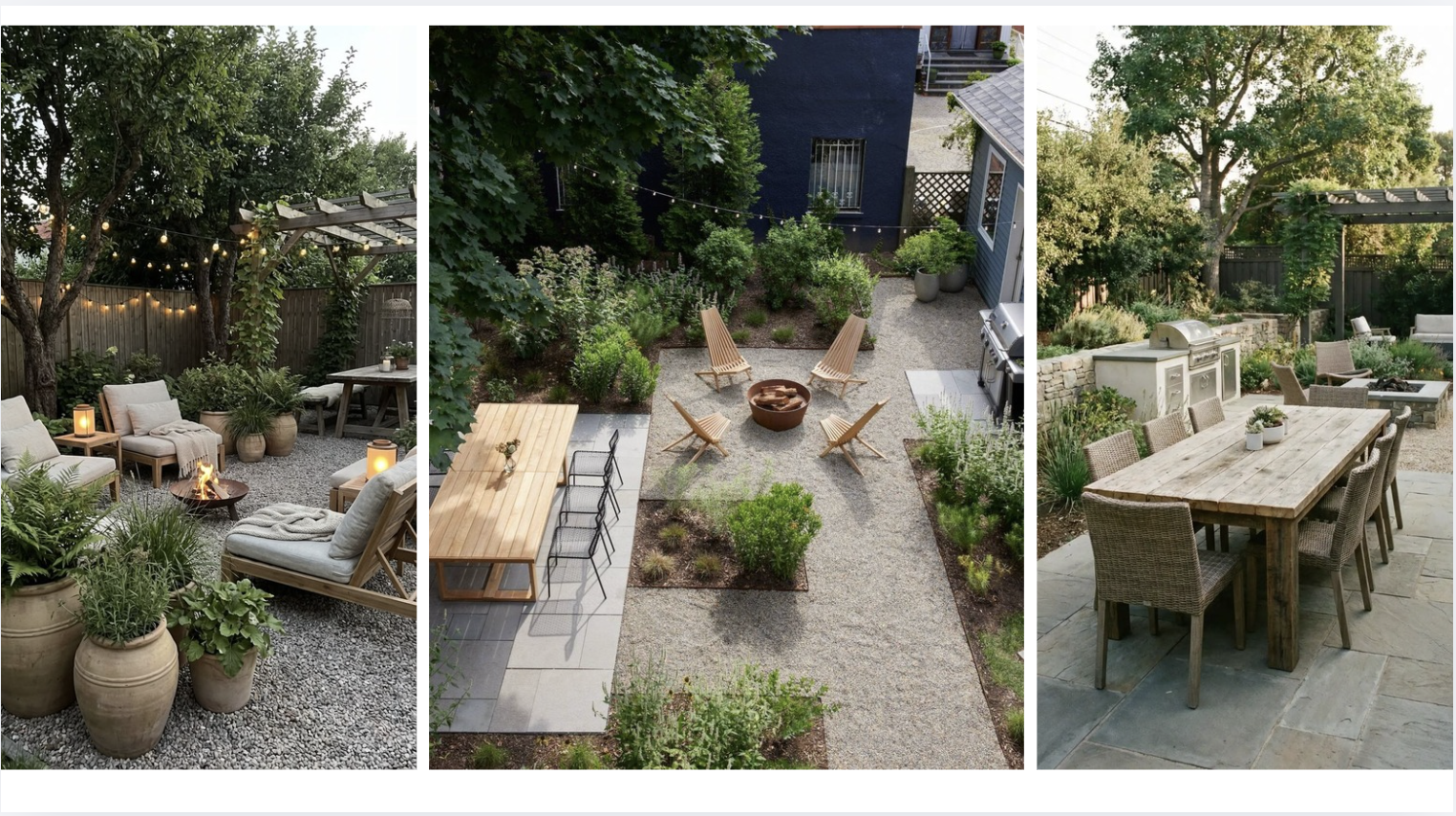
There is a room in your home you may not yet have designed. It has no ceiling — or perhaps the sky is its ceiling. It breathes, shifts with the light, and holds the kind of quiet that no interior wall can quite replicate. It is your outdoor space, and it is arguably the most powerful room you have.
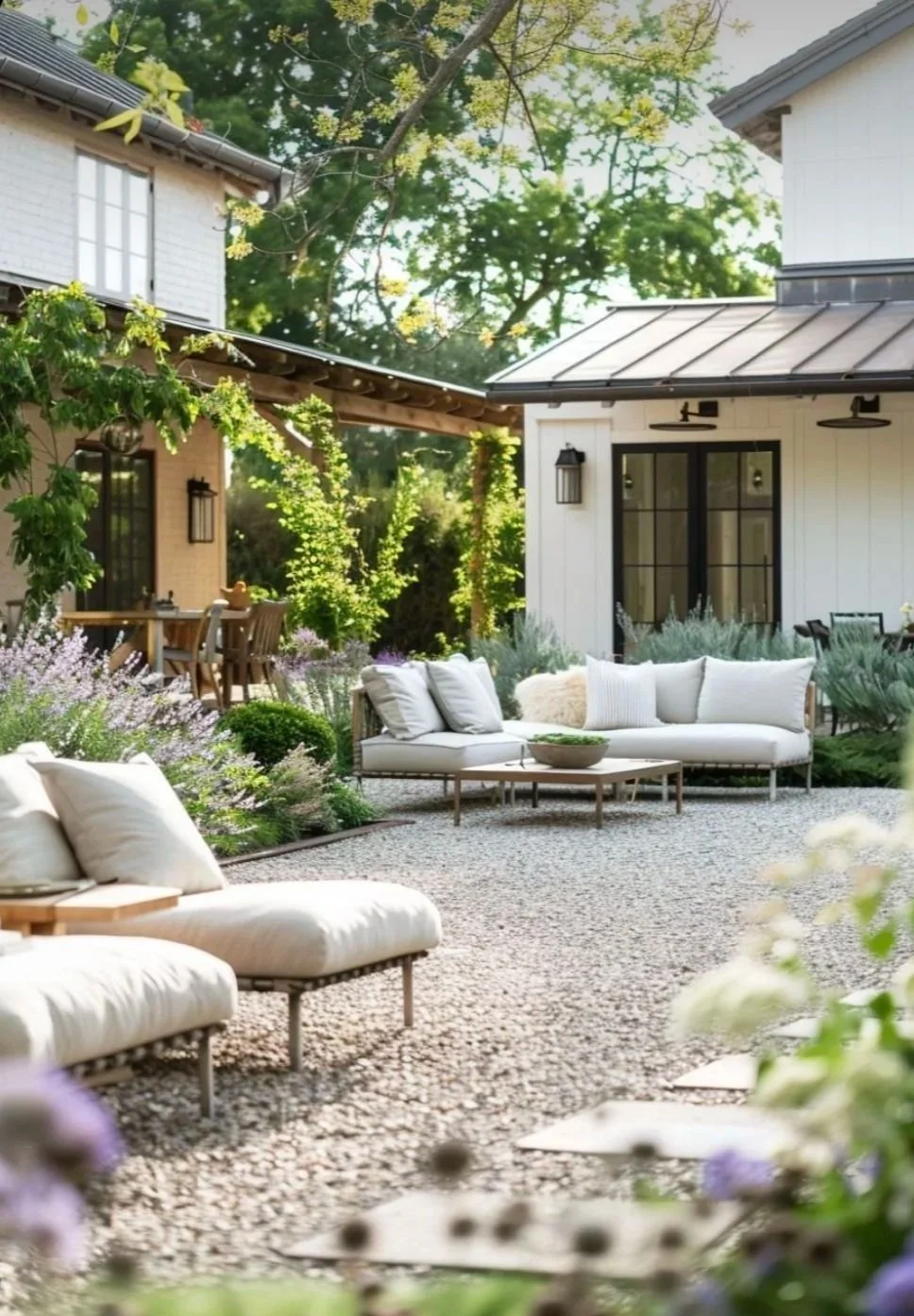
At Boheme Design House, we believe the boundary between inside and out was never meant to be a hard line. The most considered homes dissolve that edge — intentionally, beautifully — extending the language of the interior into the landscape beyond it.
More than a patio
Outdoor living space is not an afterthought or a seasonal bonus. When designed with the same intention as your interiors, it becomes a true extension of how you live — a place to gather, to retreat, to exhale. Research consistently shows that time spent outdoors reduces stress, sharpens focus, and lifts mood. Good design can make that access effortless, weaving the outside into the rhythm of your daily life rather than leaving it underused behind a sliding door.
The question is not whether you have outdoor space. The question is whether it is working for you.
Designing the Space With Intention
The principles that govern a well-designed interior apply equally outside. Layering, scale, material, light — these are not indoor concepts. They are design fundamentals.
Anchor it. Every outdoor room needs a focal point — a dining table built for long evenings, a fire element that draws people inward, a daybed positioned toward a view. Without an anchor, the space drifts.
Layer texture and material. Teak and linen. Stone and woven rattan. Concrete softened with trailing botanicals. The richness of an outdoor space comes from the same layering that makes an interior feel considered rather than decorated.
Treat the light. A pergola with draped fabric. A canopy of mature trees. String lighting that shifts the mood after dark. Outdoor spaces live across hours — design for all of them.
Blur the threshold. Consistent flooring materials that run from inside to out, retractable glass walls, matching or complementary color palettes — these are the details that make a home feel seamless rather than segmented.
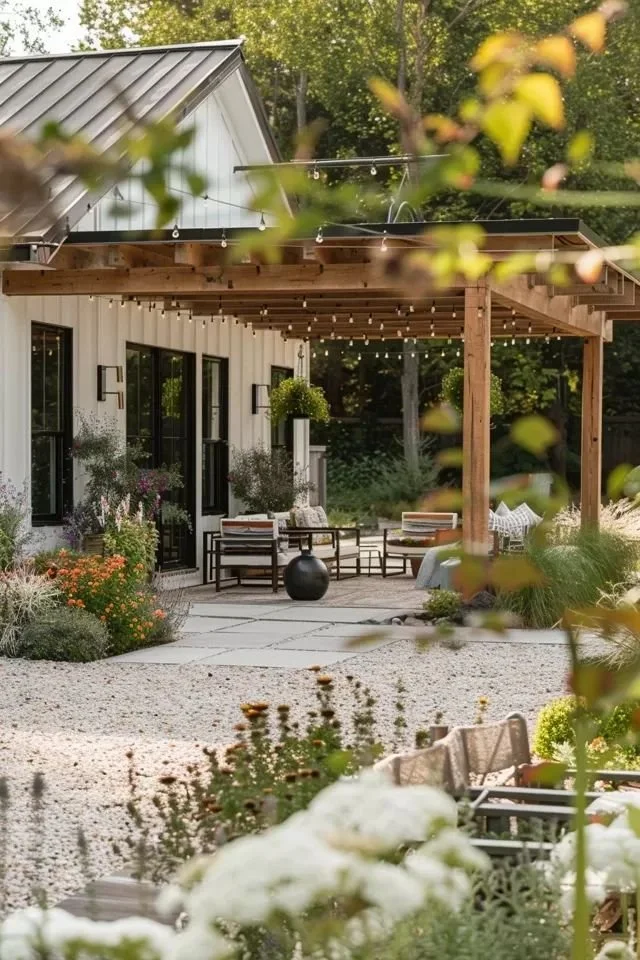
An outdoor living space isn't a luxury — it's a return to something essential. And when it's designed with the same care and conviction as the rooms inside, it becomes, quietly, your favorite place in the house.
About This Post
Part of the Boheme Design House Summer 2026 Journal — a seasonal series exploring the ideas shaping how we design, expand, and inhabit homes and outdoor spaces in Southwest Colorado.
Where to Begin
Start with one zone
Pick a single purpose — morning coffee, evening dining — and design around that before expanding.
Define your edges
A rug, raised planters, or a simple pergola creates enclosure. Enclosure creates a room.
Invest in seating first
Comfort drives use. If sitting outside feels good, you'll actually do it. Everything else follows.
Add a light source
Lanterns, string lights, or a single floor lamp extend the space into evening — and change everything.
Bring in one indoor element
A side table, a ceramic, a throw. It signals intention and bridges inside to out.
Choose plants with purpose
Fragrant herbs near seating, tall grasses for screening, low ground cover for softness. Let plants do the work.
Don't rush the edit
Live in the space first. The best additions reveal themselves over time — not in one shopping trip.
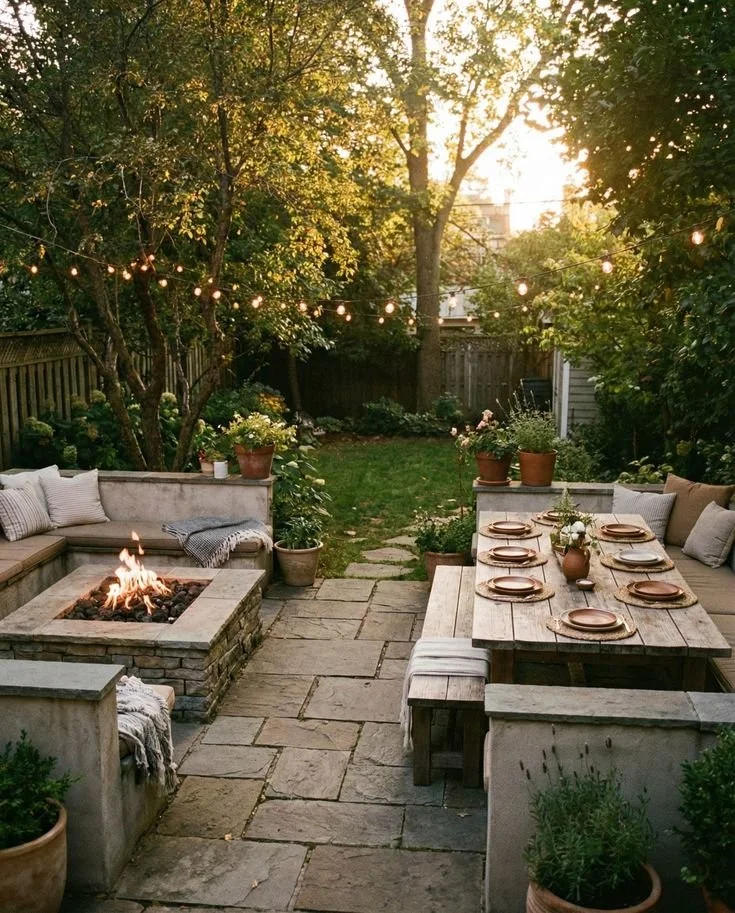
“Your home doesn’t end at the threshold. The most transformative — and often most overlooked — room in the house has no ceiling.”
The ROI — Emotional and Otherwise
Designers and real estate professionals alike will tell you: outdoor living space consistently ranks among the highest-return investments a homeowner can make. But beyond market value, there is something harder to quantify — the way a beautifully designed exterior changes how you feel about coming home.
It signals that the whole of your environment has been considered. That rest and beauty and gathering are not reserved for indoors. That living, fully, happens everywhere.
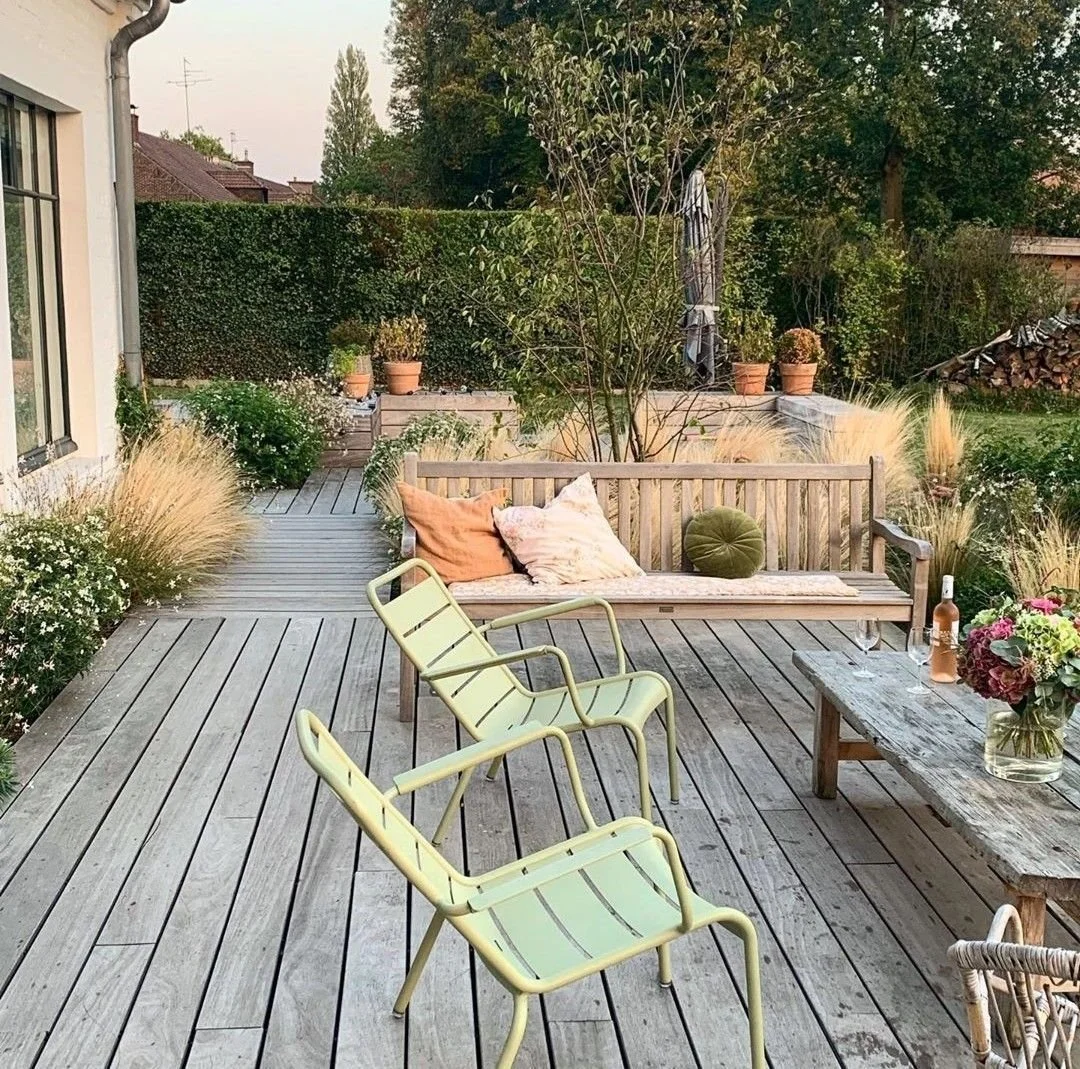
Ready to extend your home beyond its walls? The Boheme team designs outdoor spaces with the same depth and intention we bring to every interior. Let's talk about what your fifth room could become.