

The Home Refresh
The Curated Home Refresh
The Curated Refresh: Why You Don't Need a Full Renovation to Fall Back in Love With Your Home
BOHEME DESIGN HOUSE · LATE SUMMER 2026 · JOURNAL NO. 09
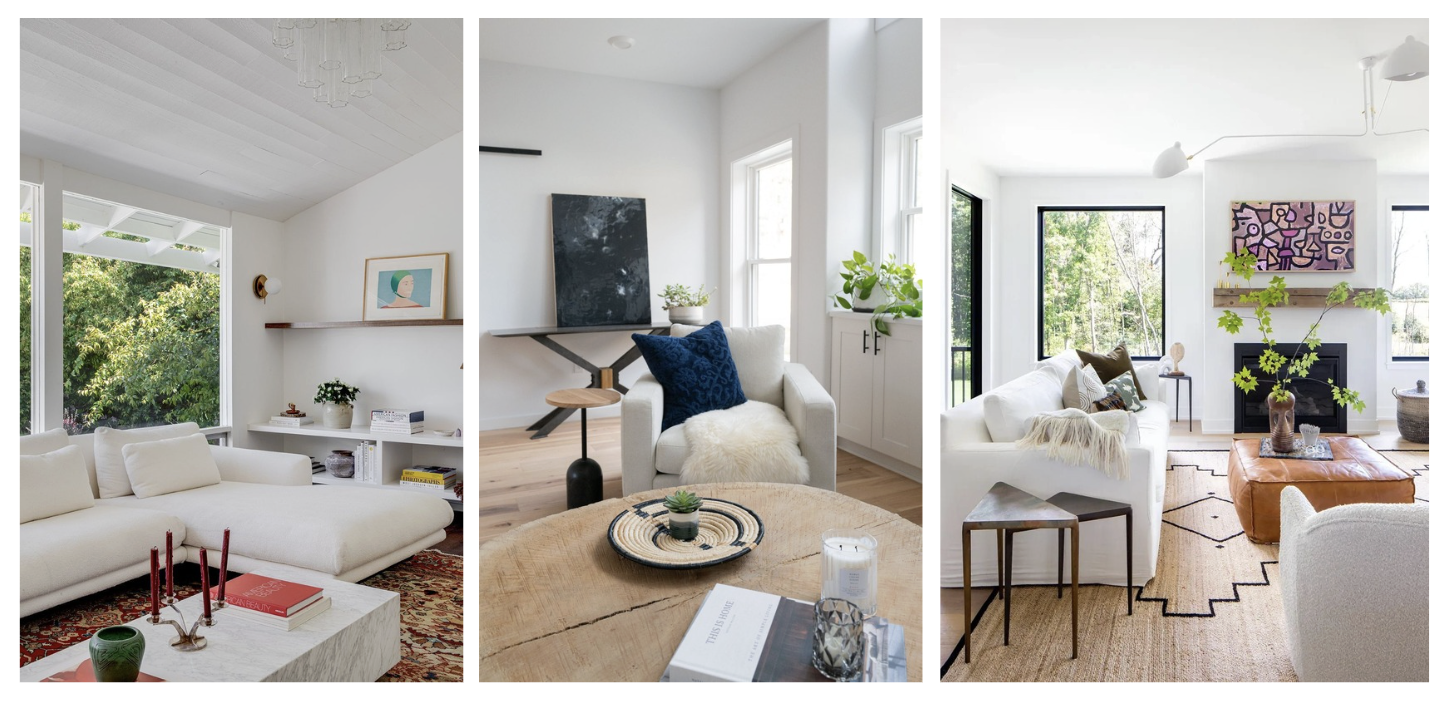
There's a specific kind of restlessness that creeps in with a home you otherwise love. Nothing is wrong, exactly. The bones are good, the layout works, the light still hits the living room just right in the afternoon. But something feels tired. Dated. A little out of step with who you are now versus who you were when you first furnished the place.
That feeling is usually not a renovation problem. It's a furniture problem.
Enter the Curated Refresh
This season, I'm formally introducing a service I've been doing informally for years, because enough clients have asked for exactly this: the Curated Refresh, a Home Refresh & Furnishings Edit designed for homes that don't need to be gutted, just reconsidered.
It's the difference between renovation and editing. We're not moving walls or ripping out cabinetry. We're doing something closer to what a great stylist does with a wardrobe: keeping the pieces that still earn their place, retiring the ones that don't, and bringing in a handful of new items that pull the whole room into focus.
What This Actually Looks Like
The process starts with a walkthrough, room by room, where we look at everything with fresh eyes. That sofa you bought eight moves ago? Might just need new upholstery. The dining chairs? Maybe those are the problem, not the table. This is where we sort what stays, what gets a second life, and what's ready to go.
From there, we build a concept: layouts, materials, a color story, so every new piece is chosen with intention rather than picked one-off from an online cart at midnight. Then comes sourcing: trade selections, custom pieces where needed, and a clear view of cost before anything is purchased.
And then, the part clients tend to love most: the swap-out. Old furniture gets donated or consigned, new pieces arrive and get placed, and in the span of a day or two, the room simply becomes different. Same walls. Same windows. Entirely new feeling.
Five Tips for Refreshing a Room Yourself (Before You Call In Help)
Not every room needs a full professional edit, some just need a nudge. If you're taking a first pass on your own, here's where I'd start:
1. Do a "keep, fix, or go" pass before you shop.
Walk each room and sort every piece into one of three piles. Be honest about the "fix" pile, most of the time it's cheaper and better for the planet to reupholster or refinish a well-made piece than replace it with something new.
2. Edit before you add.
It's tempting to shop first, but removing even one or two overcrowded or mismatched pieces will do more for a room than a new accent chair will. Clear the space, then see what it's actually asking for.
3. Anchor the room in one thing you're not changing.
A rug, a piece of art, a wood tone you love, pick one fixed point and build the rest of the palette around it. This keeps a refresh from feeling like a bunch of unrelated purchases.
4. Swap textiles before you swap furniture.
New pillow covers, a different throw, updated drapery, these are the lowest-cost, lowest-risk way to shift a room's whole mood. Sometimes that's all a space actually needs.
5. Photograph the room before you touch it.
It sounds simple, but a "before" photo makes it much easier to see a room objectively, the way a designer would, instead of the way you're used to seeing it every day.
When It's Time to Bring in a Designer
If the "keep, fix, or go" pass leaves you with more questions than answers, or if the idea of coordinating removal, delivery, and install on your own sounds like a second job, that's usually the sign a guided refresh makes sense. A second set of trained eyes tends to save people from the two most common refresh mistakes: replacing pieces that only needed a small fix, and buying new furniture that solves nothing because the underlying layout was never the problem.
A Refresh, Not a Reset
There's a quiet kind of relief in realizing your home doesn't need to be reinvented, just refreshed. The Curated Refresh is built for that. It respects what's already working, clears out what isn't, and leaves you with a space that finally feels current, without losing the parts of it that felt like home in the first place.
Curious whether your space is a good fit for a Curated Refresh? Reach out, I'd love to walk through it with you.
About This Post
Part of the Boheme Design House Summer 2026 Journal — a seasonal series exploring the ideas shaping how we design, redesign, reimagine, adapt and inhabit homes and outdoor spaces in Southwest Colorado.
Who It's For
This service tends to resonate with people who:
Love their home's structure but feel out of sync with how it's furnished
Have a few sentimental or genuinely good pieces they want to keep, not replace
Want the impact of a redesign without the timeline or expense of construction
Are ready to finally deal with the guest room chair that's been "temporary" for three years
Don't rush the edit
Live in the space first. The best additions reveal themselves over time — not in one shopping trip.

A pop of bold red transformed this media room
Small changes that make an immediate difference, no sourcing required:
Swap lampshades for a different tone or texture
Move your largest piece of art to a different wall — fresh eyes, same art
Try a room without its rug for a day. You'll immediately know if it belongs
Group odd accessories in threes instead of scattering them
Wipe down and condition leather or wood pieces — cleaning alone can make old furniture look intentional again
The Fifth Room
Why Outdoor Living Space Is the Design Move You Can't Ignore
Why Outdoor Living Space Is the Design Move You Can't Ignore
BOHEME DESIGN HOUSE · SUMMEr 2026 · JOURNAL NO. 08
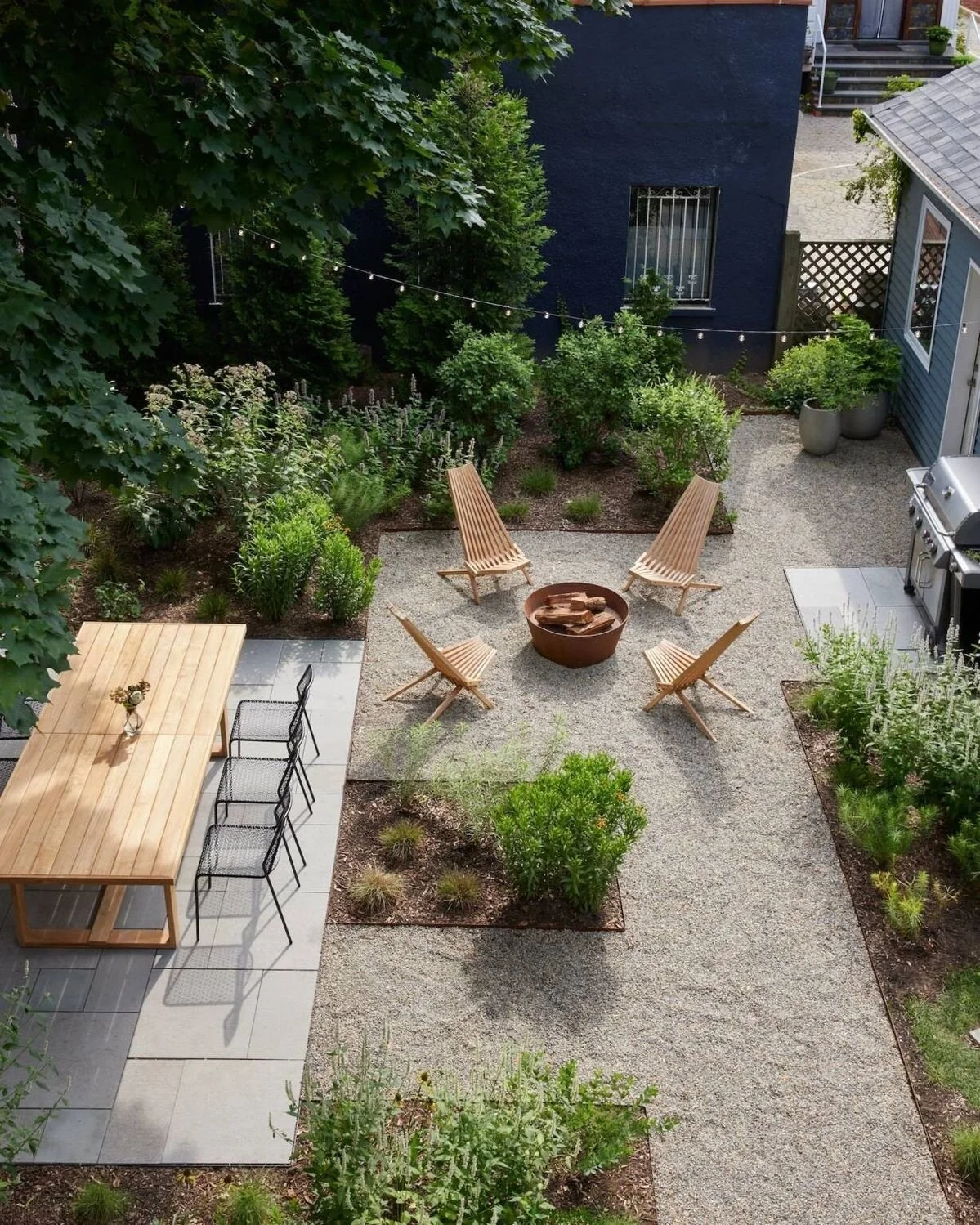
There is a room in your home you may not yet have designed. It has no ceiling — or perhaps the sky is its ceiling. It breathes, shifts with the light, and holds the kind of quiet that no interior wall can quite replicate. It is your outdoor space, and it is arguably the most powerful room you have.
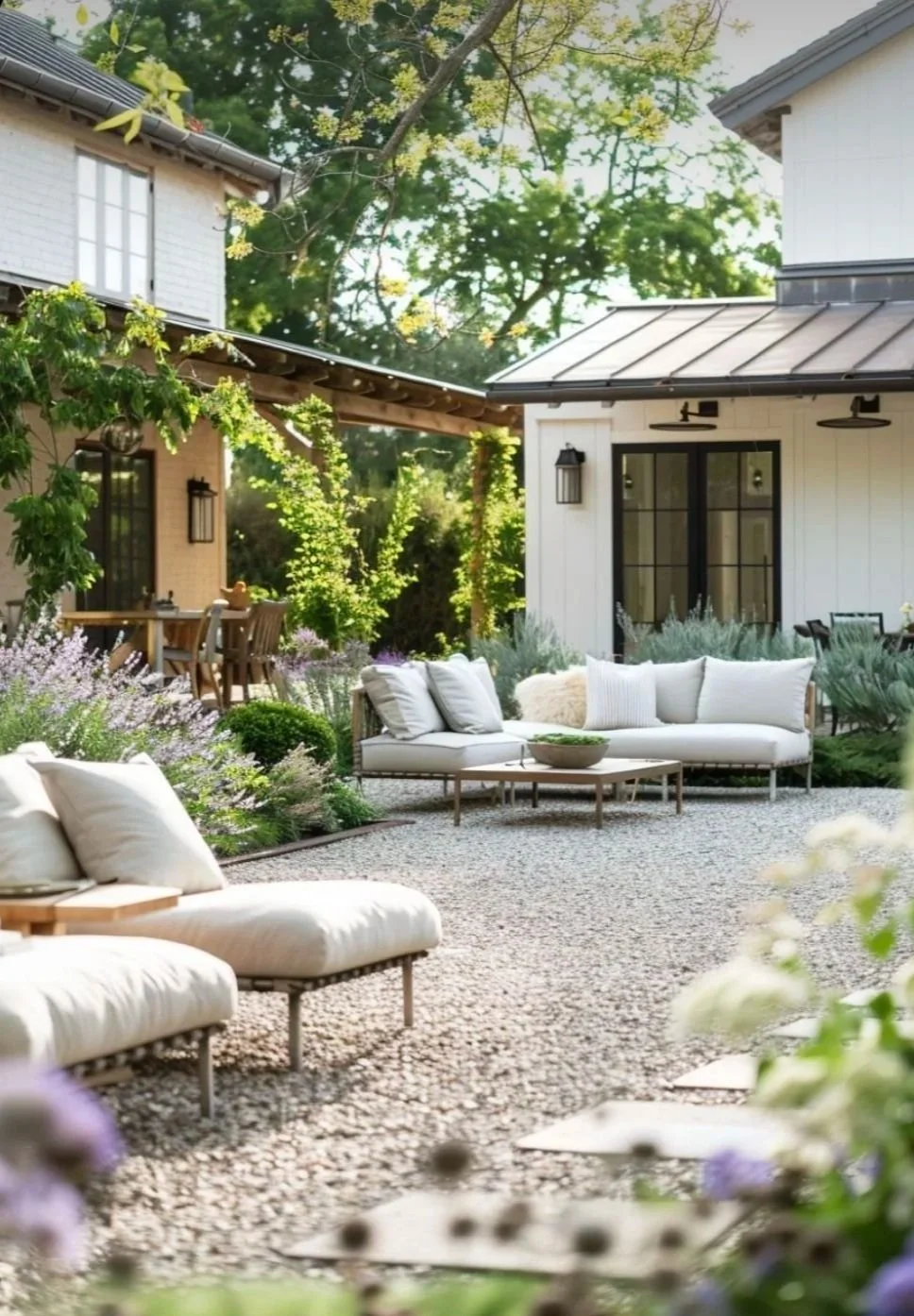
At Boheme Design House, we believe the boundary between inside and out was never meant to be a hard line. The most considered homes dissolve that edge — intentionally, beautifully — extending the language of the interior into the landscape beyond it.
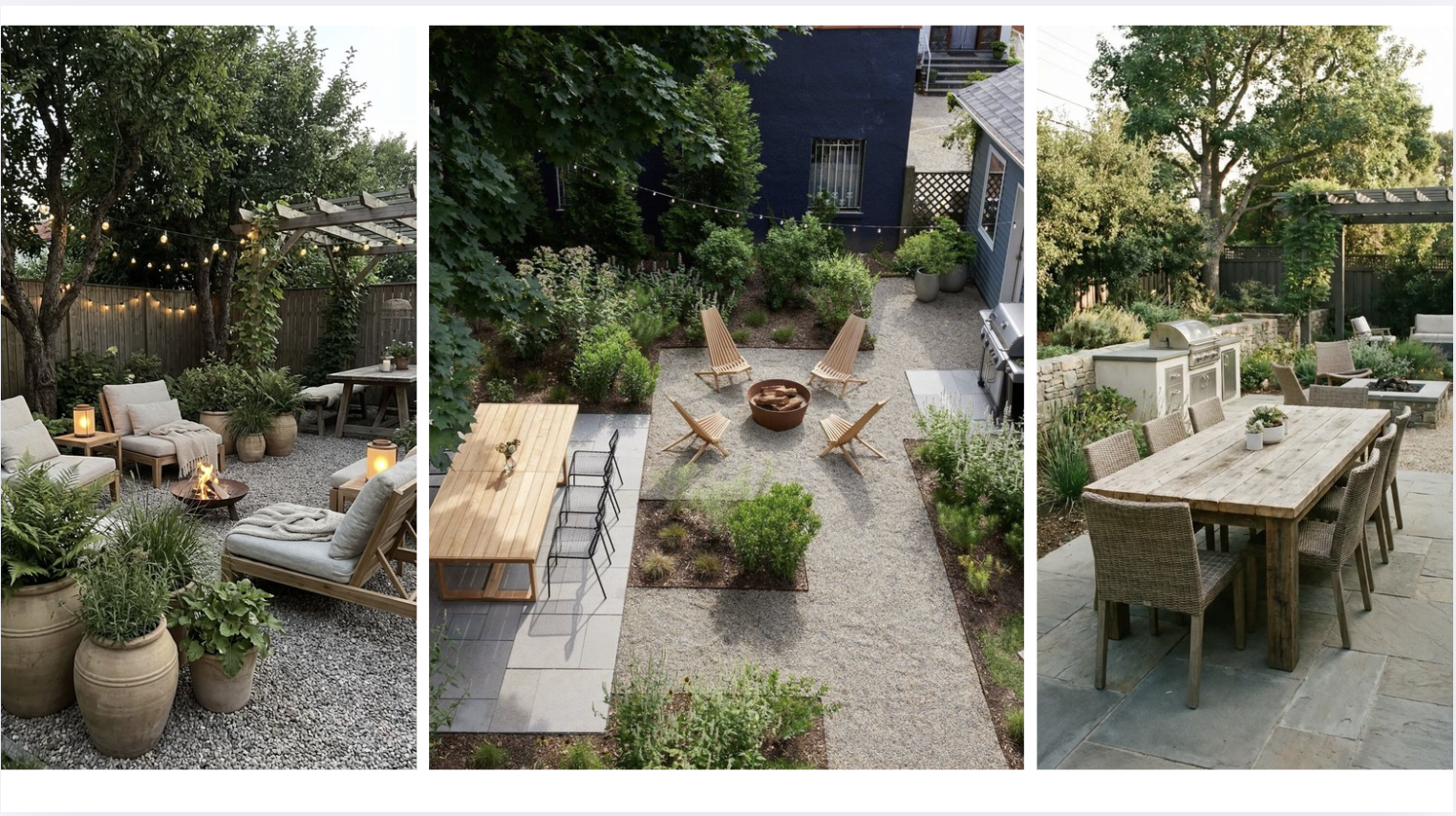
More than a patio
Outdoor living space is not an afterthought or a seasonal bonus. When designed with the same intention as your interiors, it becomes a true extension of how you live — a place to gather, to retreat, to exhale. Research consistently shows that time spent outdoors reduces stress, sharpens focus, and lifts mood. Good design can make that access effortless, weaving the outside into the rhythm of your daily life rather than leaving it underused behind a sliding door.
The question is not whether you have outdoor space. The question is whether it is working for you.
Designing the Space With Intention
The principles that govern a well-designed interior apply equally outside. Layering, scale, material, light — these are not indoor concepts. They are design fundamentals.
Anchor it. Every outdoor room needs a focal point — a dining table built for long evenings, a fire element that draws people inward, a daybed positioned toward a view. Without an anchor, the space drifts.
Layer texture and material. Teak and linen. Stone and woven rattan. Concrete softened with trailing botanicals. The richness of an outdoor space comes from the same layering that makes an interior feel considered rather than decorated.
Treat the light. A pergola with draped fabric. A canopy of mature trees. String lighting that shifts the mood after dark. Outdoor spaces live across hours — design for all of them.
Blur the threshold. Consistent flooring materials that run from inside to out, retractable glass walls, matching or complementary color palettes — these are the details that make a home feel seamless rather than segmented.
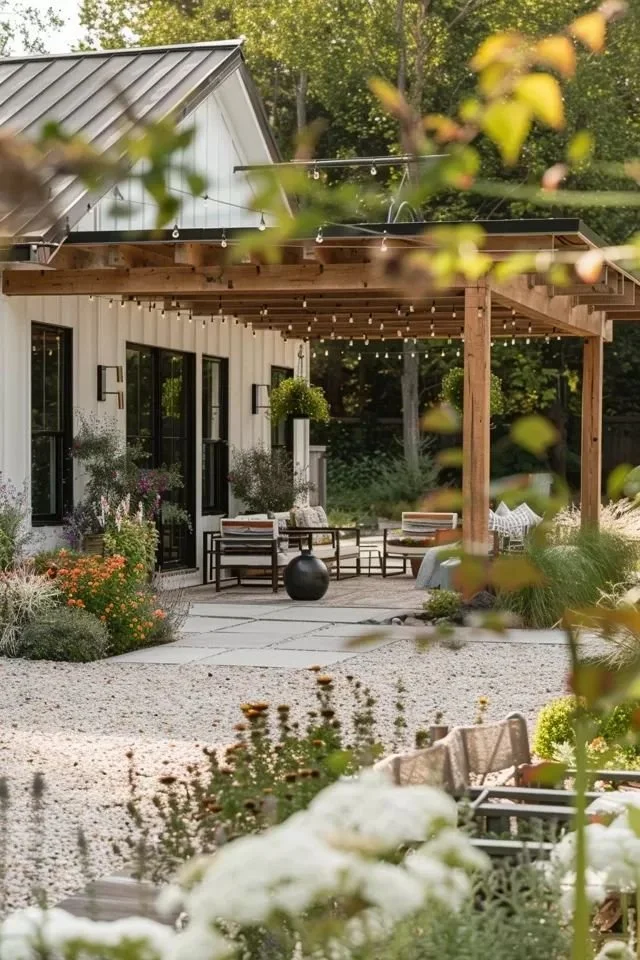
An outdoor living space isn't a luxury — it's a return to something essential. And when it's designed with the same care and conviction as the rooms inside, it becomes, quietly, your favorite place in the house.
About This Post
Part of the Boheme Design House Summer 2026 Journal — a seasonal series exploring the ideas shaping how we design, expand, and inhabit homes and outdoor spaces in Southwest Colorado.
Where to Begin
Start with one zone
Pick a single purpose — morning coffee, evening dining — and design around that before expanding.
Define your edges
A rug, raised planters, or a simple pergola creates enclosure. Enclosure creates a room.
Invest in seating first
Comfort drives use. If sitting outside feels good, you'll actually do it. Everything else follows.
Add a light source
Lanterns, string lights, or a single floor lamp extend the space into evening — and change everything.
Bring in one indoor element
A side table, a ceramic, a throw. It signals intention and bridges inside to out.
Choose plants with purpose
Fragrant herbs near seating, tall grasses for screening, low ground cover for softness. Let plants do the work.
Don't rush the edit
Live in the space first. The best additions reveal themselves over time — not in one shopping trip.
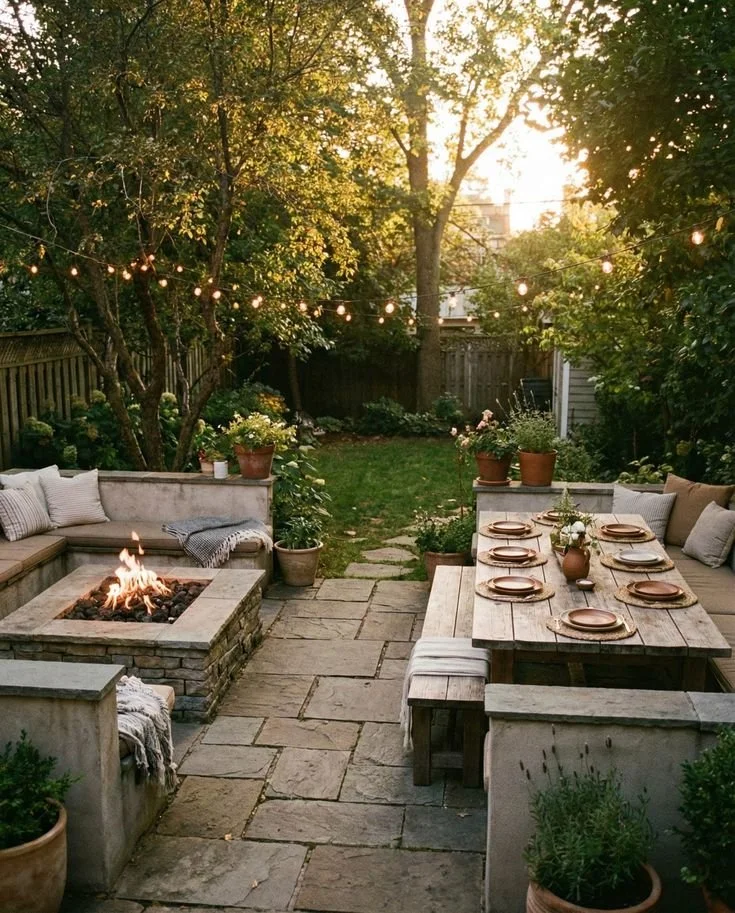
“Your home doesn’t end at the threshold. The most transformative — and often most overlooked — room in the house has no ceiling.”
The ROI — Emotional and Otherwise
Designers and real estate professionals alike will tell you: outdoor living space consistently ranks among the highest-return investments a homeowner can make. But beyond market value, there is something harder to quantify — the way a beautifully designed exterior changes how you feel about coming home.
It signals that the whole of your environment has been considered. That rest and beauty and gathering are not reserved for indoors. That living, fully, happens everywhere.
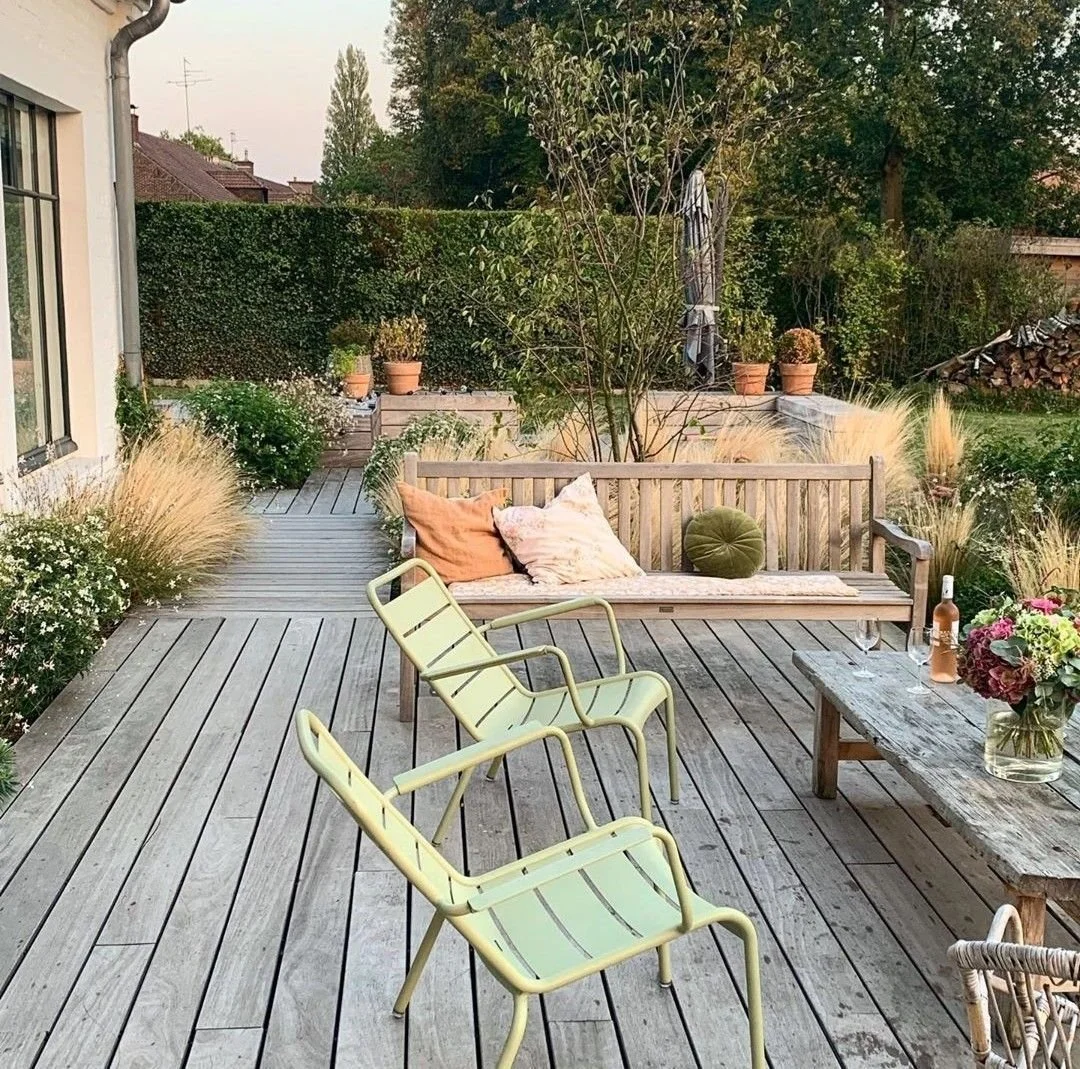
Ready to extend your home beyond its walls? The Boheme team designs outdoor spaces with the same depth and intention we bring to every interior. Let's talk about what your fifth room could become.
Maker Spotlight Series
MAKER SPOTLIGHT SERIES
GEORGE SCHMIDT
Multi-Discipline Artst
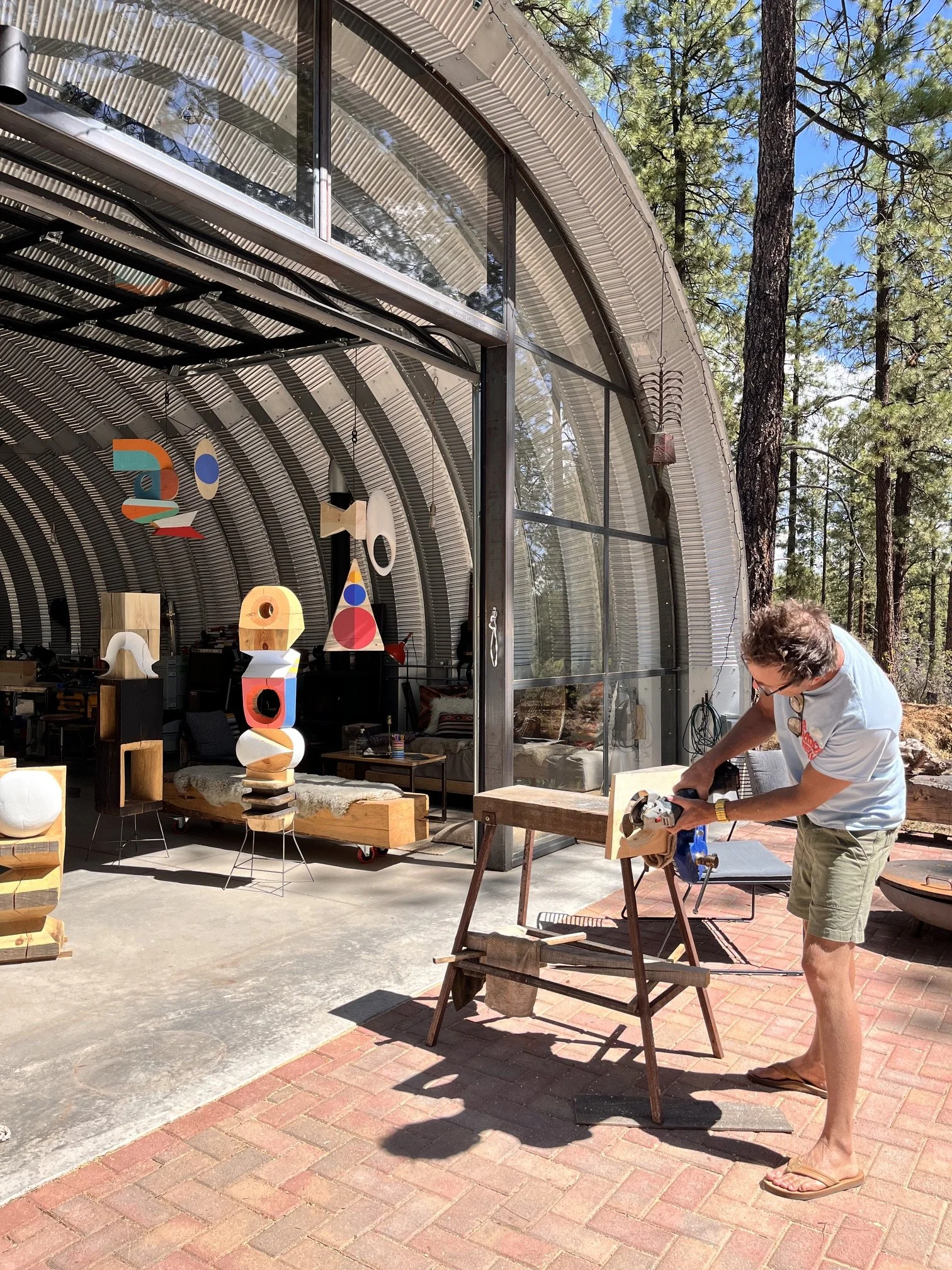
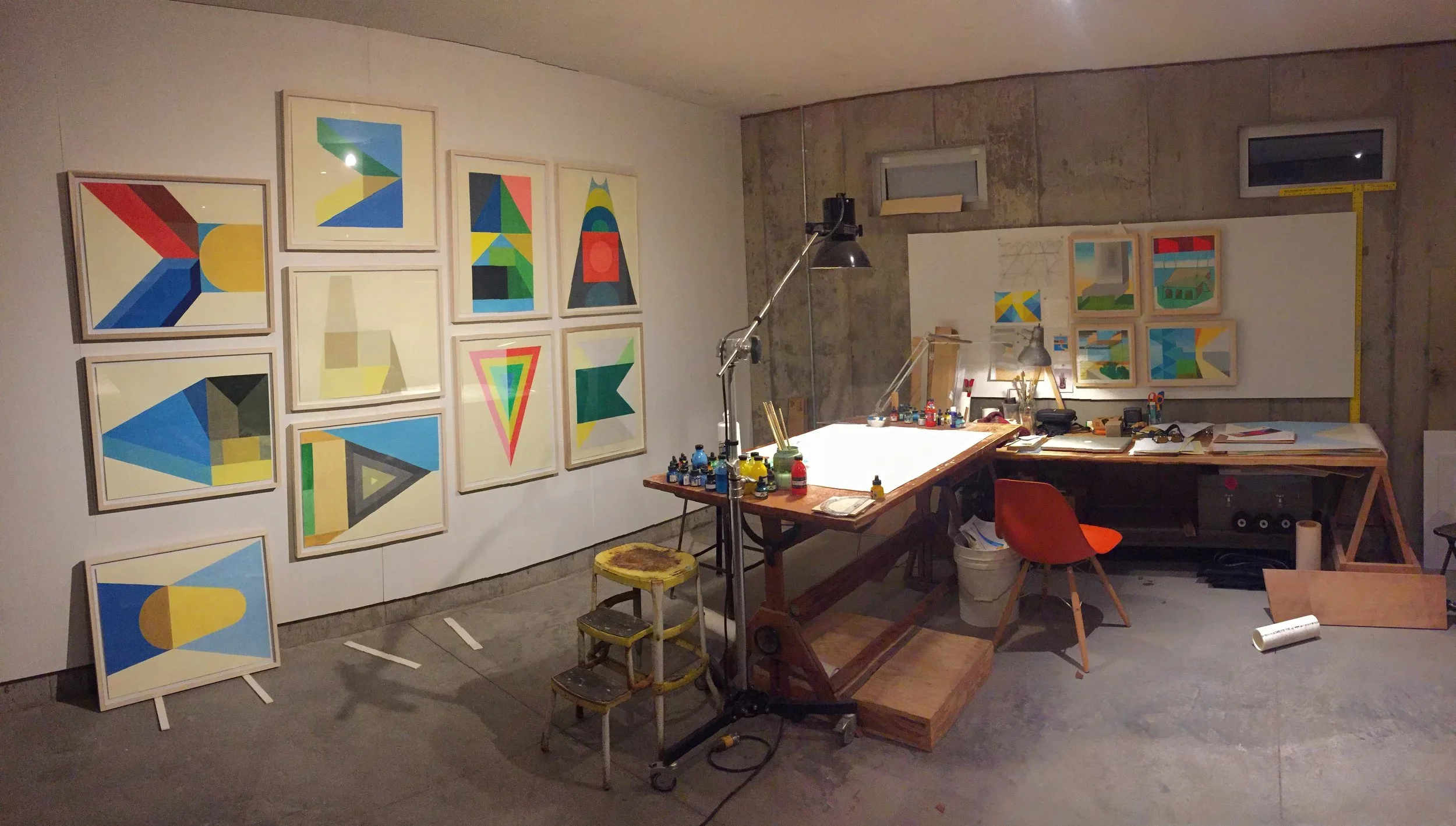
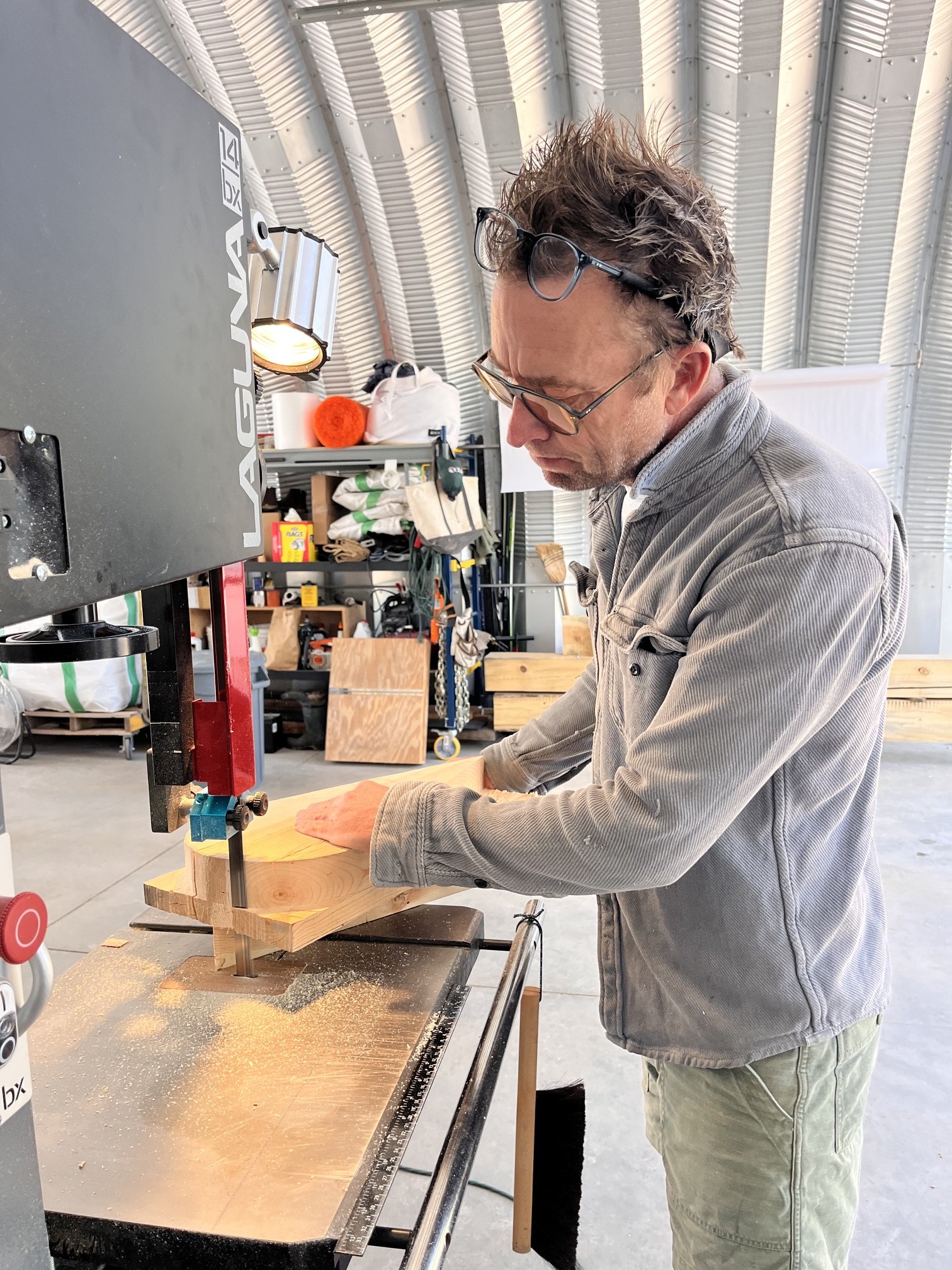
Artist George Schmidt at work at his home studio he built.
Tell us about yourself – what’s your story in a nutshell?
My name is George Schmidt. I've been making paintings, sculptures, furniture and buildings – and all kinds of stuff for as long as I can remember.
I went to an art magnet school for my BFA (Parsons School of Design) and MFA (School of the Art Institute of Chicago)… the whole shebang. I've been a working artist with an active studio practice for 25 years. I've never found anything better to do with myself and I feel very lucky that I’ve been able to follow my creative compulsions wherever they lead me over the years.
What drives your art?
What inspires?
Inspiration for me comes from multiple sources. It's more of a synthesis of interests: visual, spacial, musical, psychological. Mostly at this point I'm drawing from ideas that I’ve had for years and recycling them and mashing them into new forms – trying to see if I can see something new all the time.
Its a process that is always changing, collaging, building on itself, but returning again and again to my core interests, color interactions, spacial interactions, our perceptual process, the way seeing some combination of parts in new or unexpected ways can simply put people in a novel headspace, where a different perspective emerges. You know, art!
What’s new? Where are you in your current evolution?
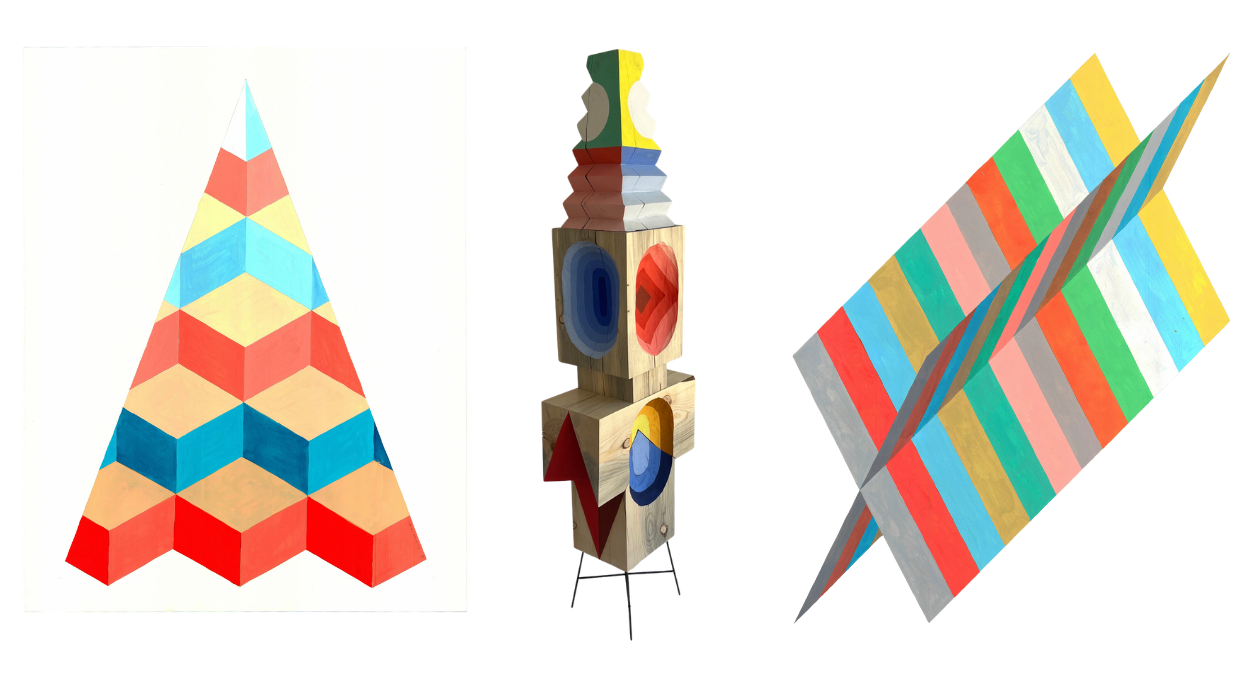
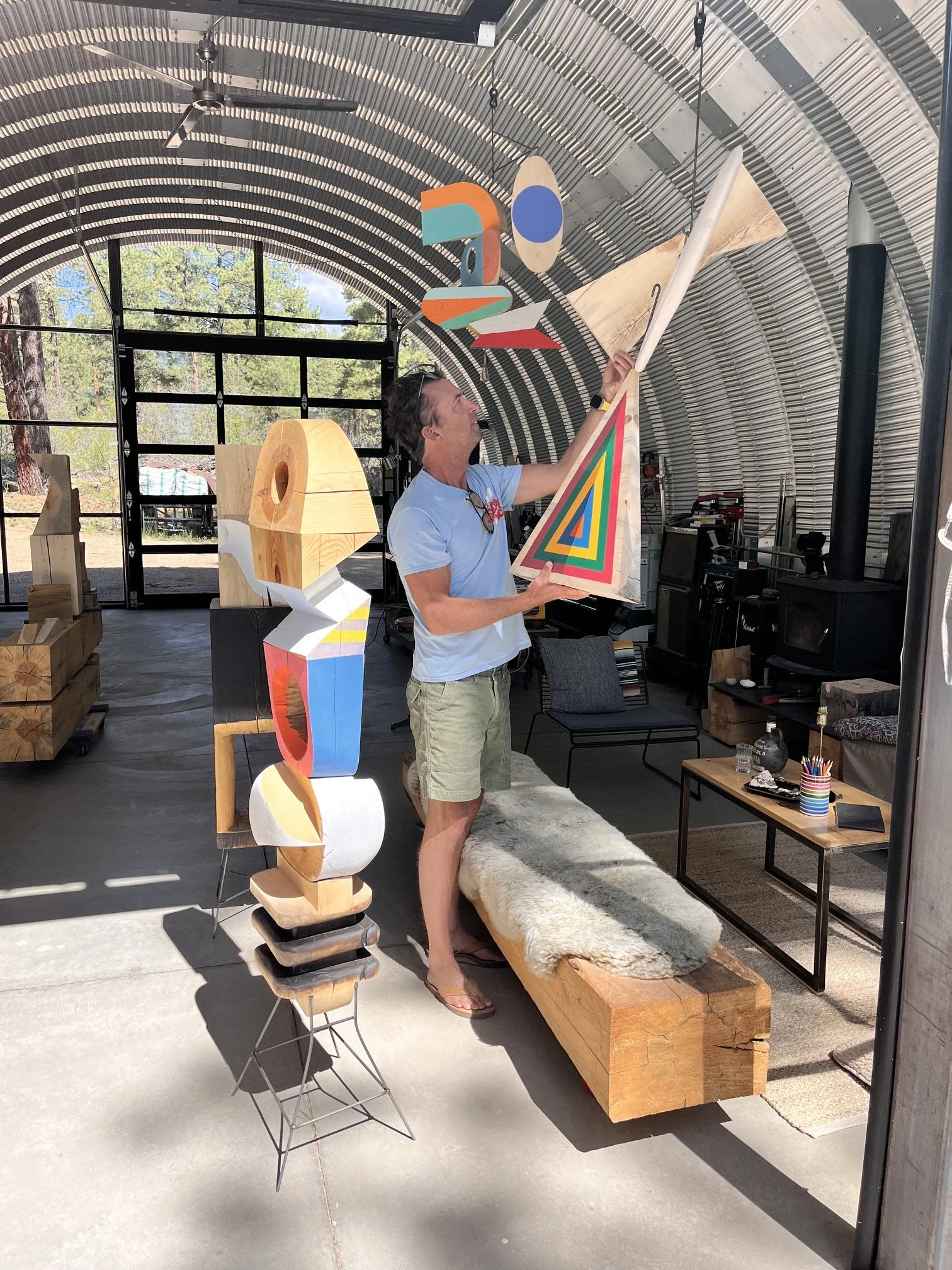
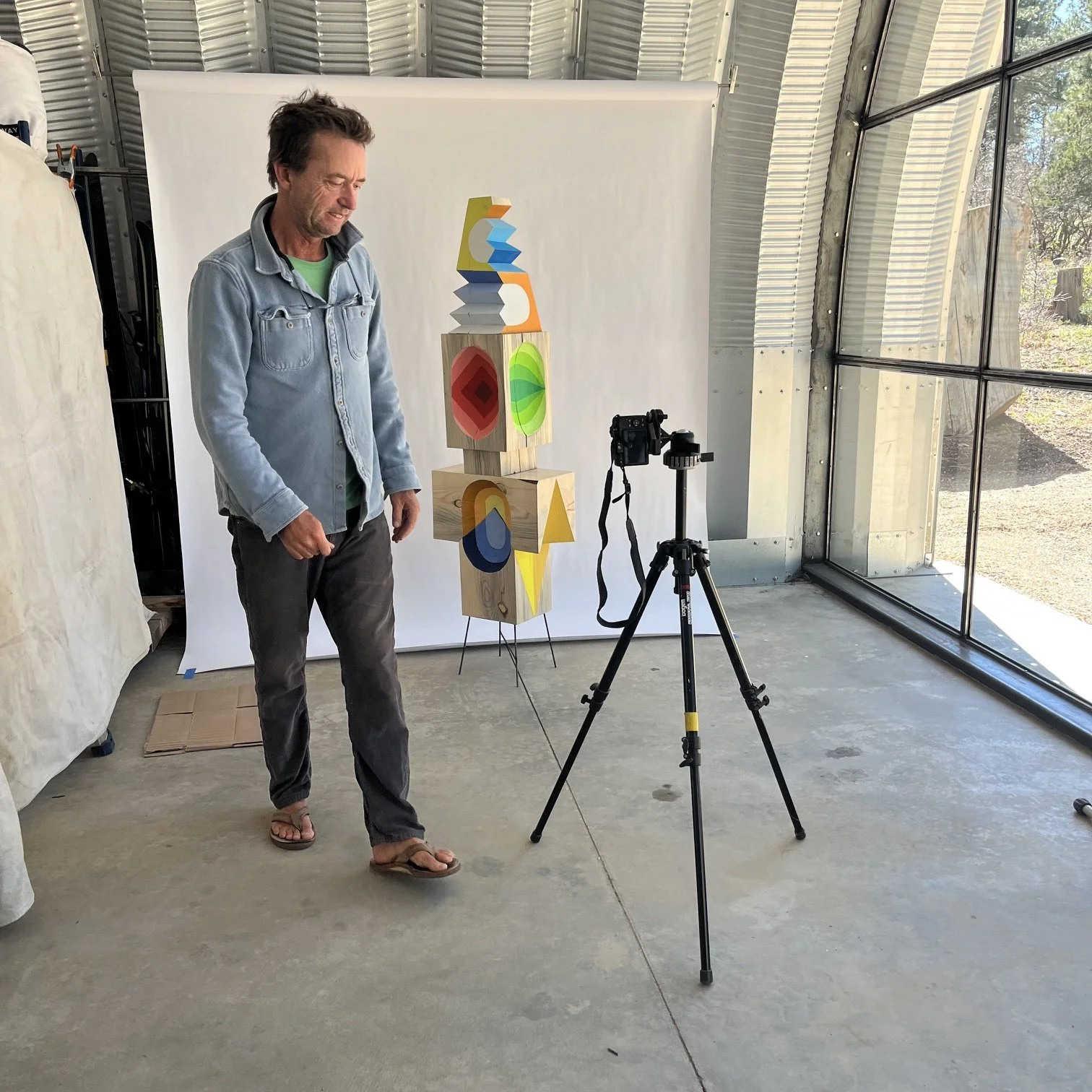
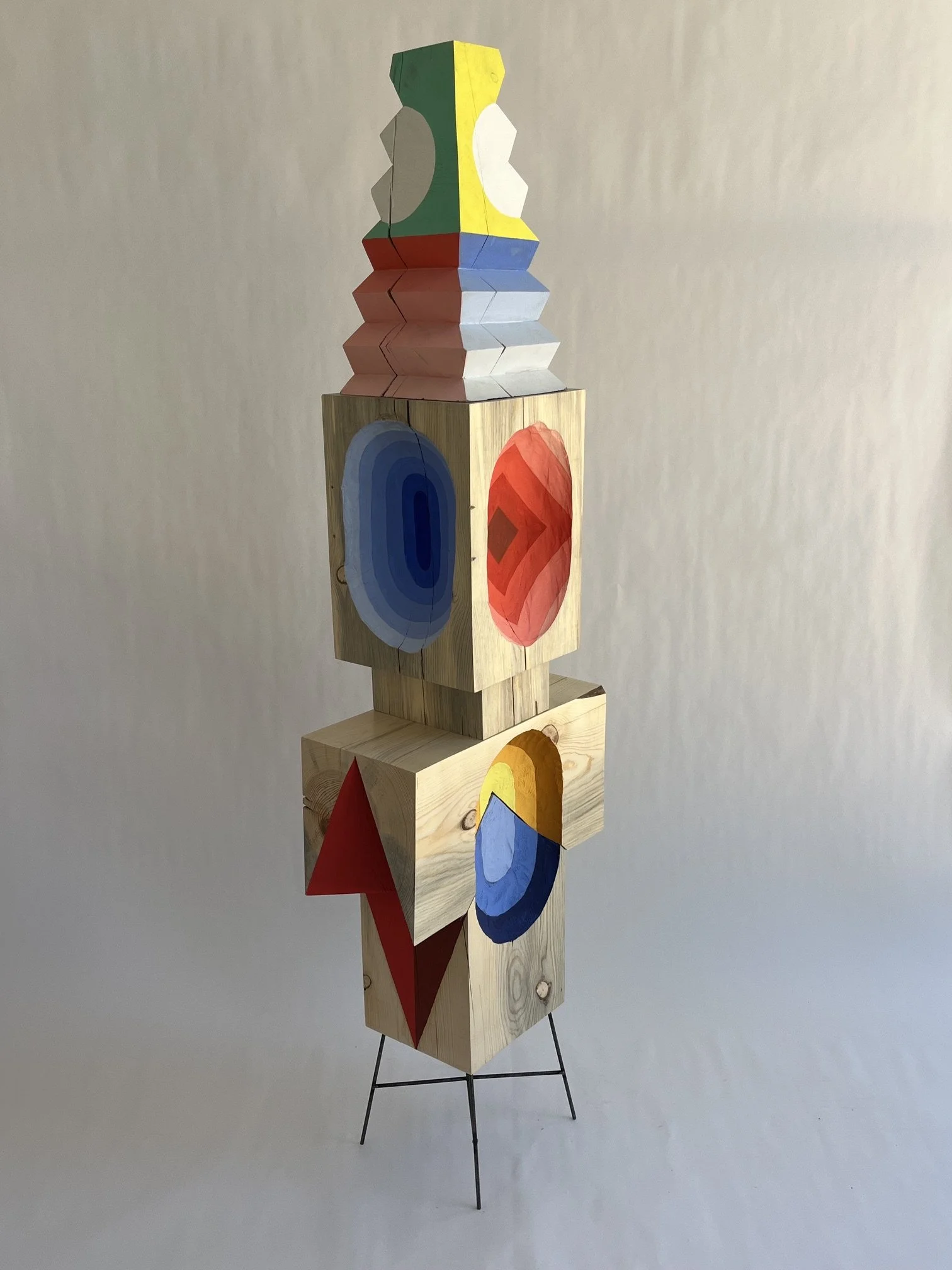
Lately I've been working on a series of sculptures using shaped painted and carved blocks of wood assembled in towers that are roughly human sized. The trees are all cut down on my land, milled here, seasoned here, and utimately made into sculptures right here. The components of each sculpture are assembled in a way that is reminiscent of the process of collage. Sometimes I will carve a part, and it will hang around the studio for years before it finds a home in a finished sculpture. The final pieces are painted and shaped to emphasize optical color effects that create an unusual visual experience. My attempts to manifest this kind of visual dynamism is currently playing out in an additional way in a series of kinetic mobiles, where the various parts move and interact in a state of constant flux. Living with art is a way of inviting a kind of visual and intellectual novelty into our experience. I myself collect Navajo rugs. I'm always inspired by their geometry, color, texture and history. Art can always help us see ourselves and the world in new ways.
The lowdown
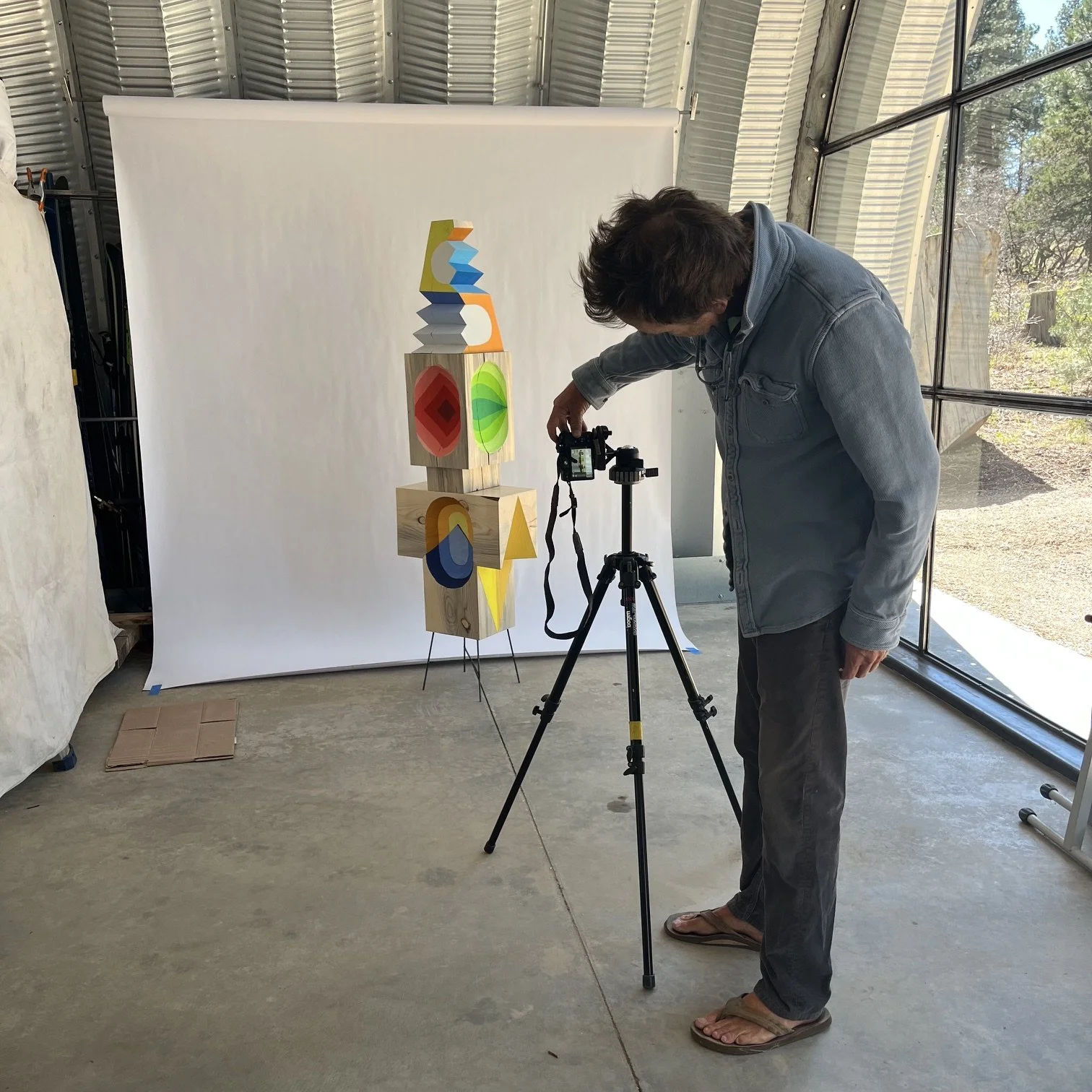
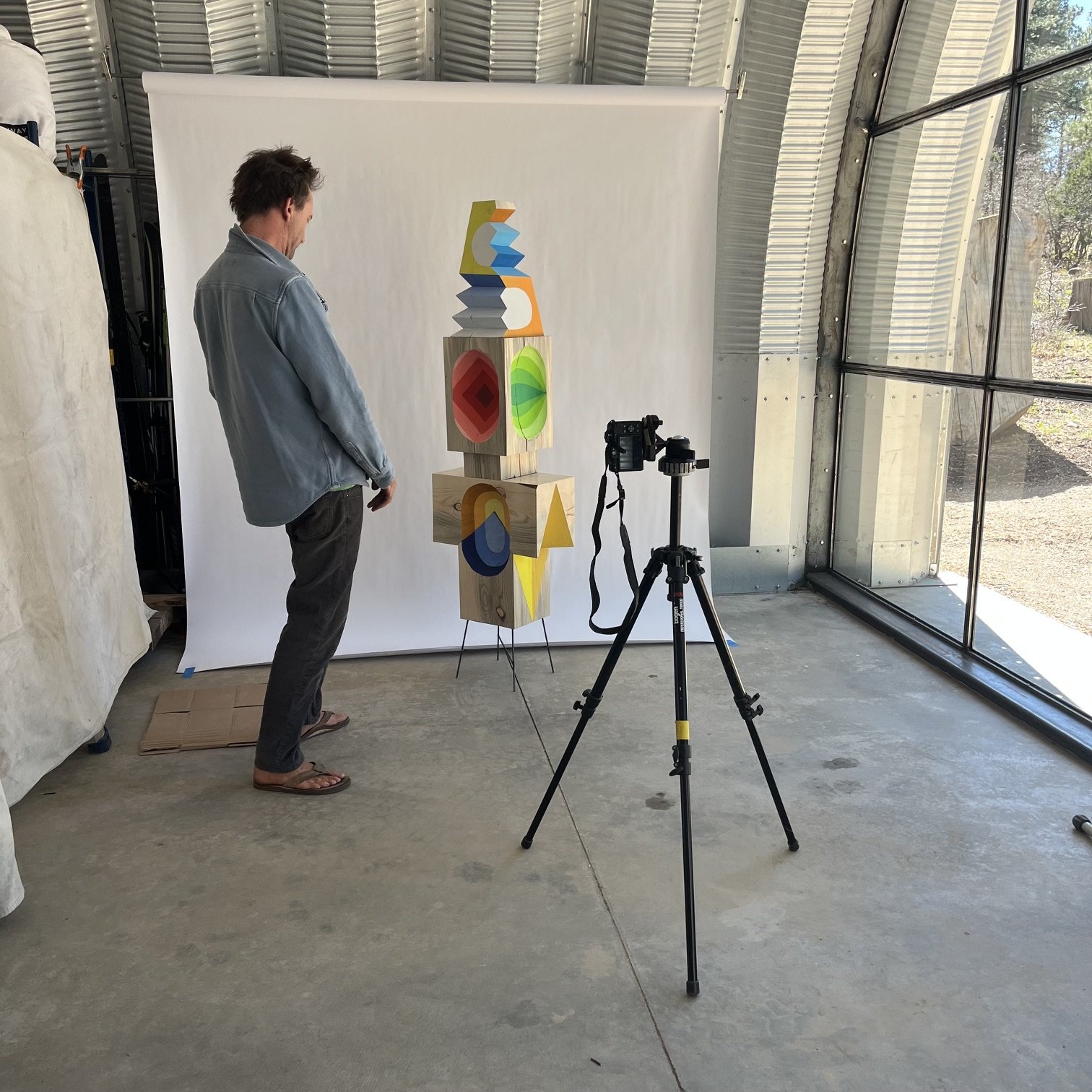

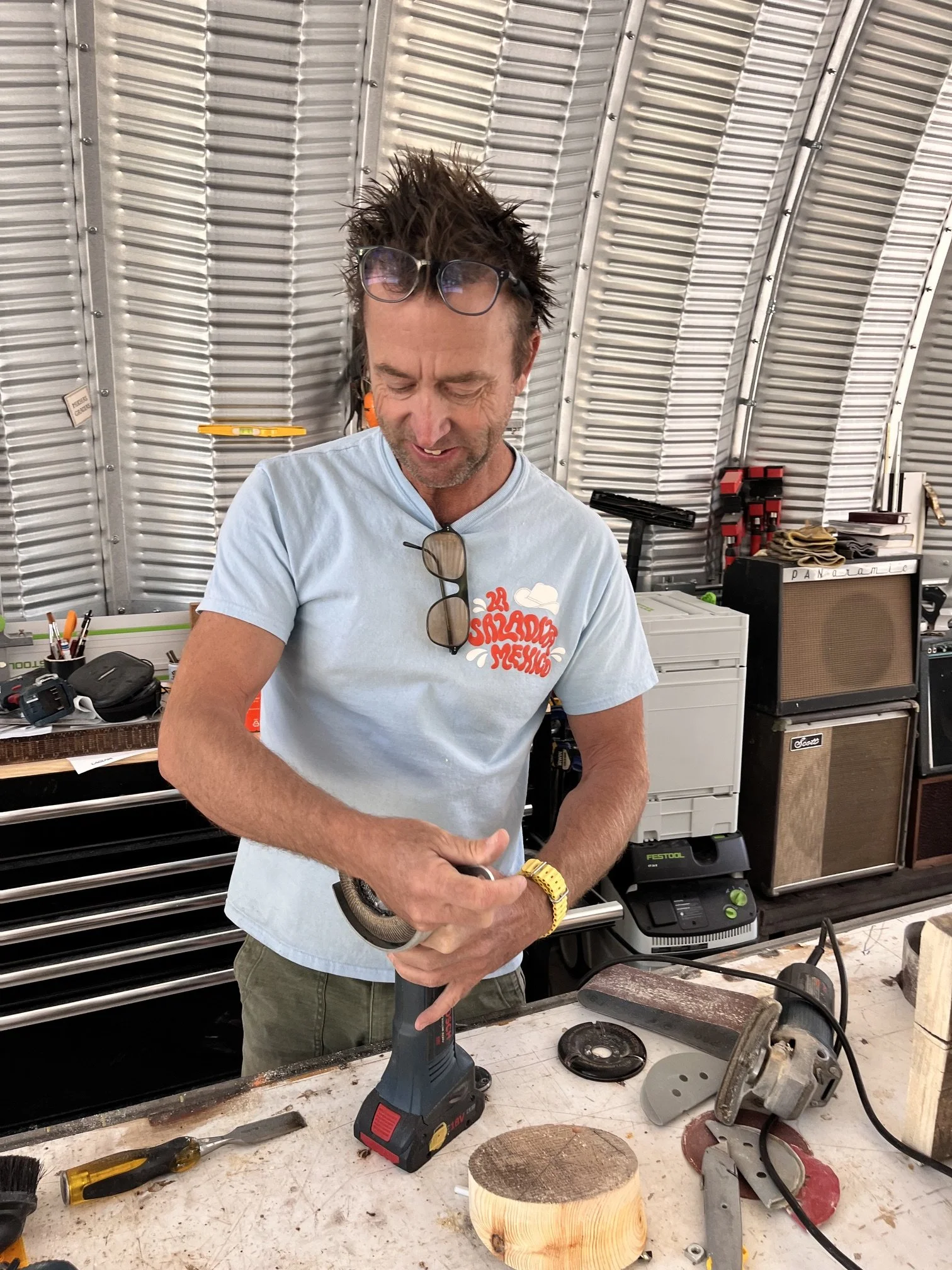
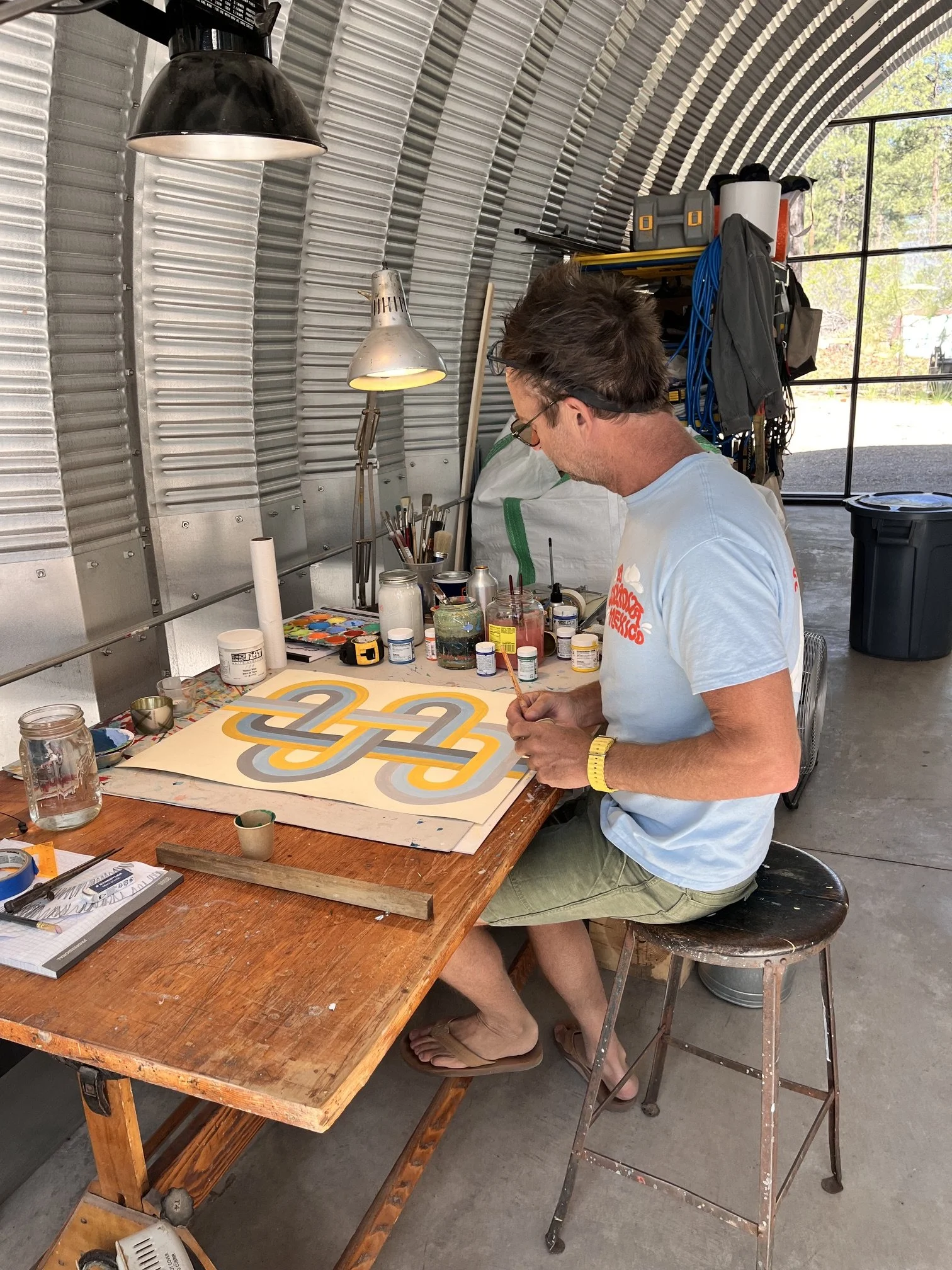
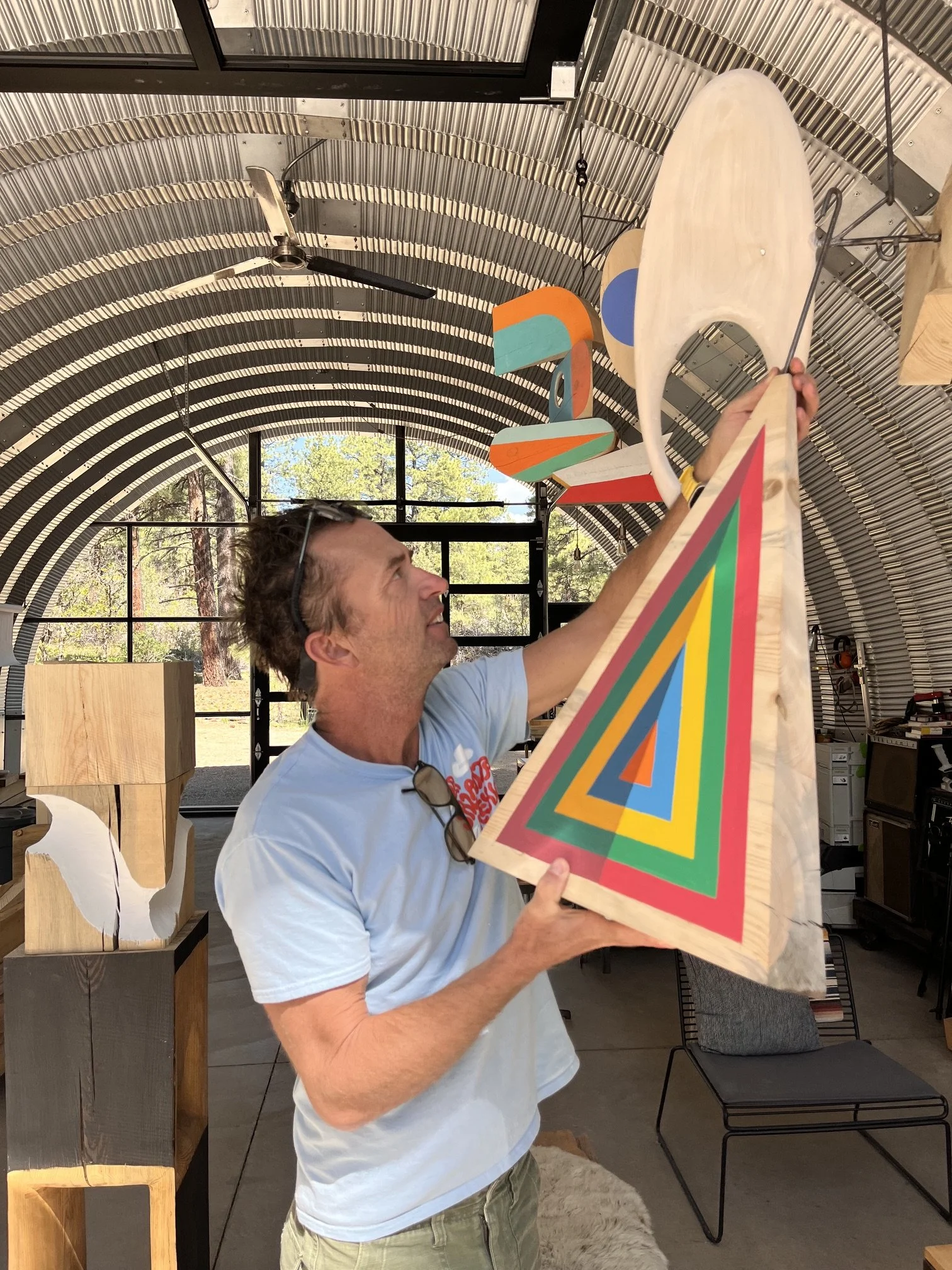
Favorite travel destination? My wife and I love to travel and are currently obsessed with long boarding. We have been going to Mexico and Costa Rica at least four times a year now for a while, and the stoke just keeps growing. Speaking of an aesthetic experience in a state of constant flux, Surfing is one of the most challenging, fulfilling, and wonderful things anyone can do. Surfing is all about drawing lines on the wave, in a moment where everything else slips away in an ephemeral instant. Hearing surfers talk about surfing is almost as bad or maybe worse than hearing artists talk about art!
Favorite book and/or movie? Japanese surf videos, any surf video with nat young, ryan burch, harrison roach, alex knost, kelis kaleopaa, kristy murphy. There are so many beautiful and inspiring surfers out there. These are my favorite movies. And books - probably shouldn't get me started. I mostly read natural history. I read a lot. This winter I read and re-read Stephen Jay Gould's book Wonderful Life, which is all about early evolution. It's a fascinating account of early and bizarre diversity in a precambrian fossil formation called the Burgess Shale. It seems strange but I couldn't put it down. The new Michael Pollan book 'A World Appears' is quite good. A super fun dive into what consciousness is. There is a book by a guy named Zak Podmore, who lives in Bluff, Utah. It's called "Life After Deadpool" which is all about lake powell and its future in a time of increasing aridity and climate change. "Metazoa" by Peter Godfrey Smith, is a book I can highly recommend. It's about biodiversity, and the diversity of and evolution of consciousness. Ties into Michael Pollan’s book in a lot of interesting ways. I could go on and on.
Favorite artist(s), designer(s), architect(s)? This is an almost impossible question for me, not because I don’t have any, but because i like a lot of disparate artists, designers, and architects for what to me feel like personally nuanced and obviously utterly subjective reasons. It'd be easier and maybe more informative to ask what I hate! Maybe.
What's always playing in your studio — music, podcast, silence? Right now - today - I'm on a mission to listen to weird Japanese psychedelic jam bands. Upupayama is at least a name I can spell. Yuma Abe is another. Tomorrow i might listen to The Commodores or Solange Knowles all day. But music is almost always on in my studio, in my life. Lots of 20th century American jazz. Lee Morgan, Herbie Hancock, Ahmad Jamal, John Coltrane, Sun Ra, Wayne Shorter..... on and on....
Finish this sentence: "Making things…”
… has taught me to always be curious, and to expect happy accidents, especially when you think you have no idea what you're doing. One should always cultivate a perspective of "not knowing". That's ultimately the only way to learn or do anything new.
Maker Spotlight Series
MAKER SPOTLIGHT SERIES
KATHLEEN KEENE JONES
Ceramic Artist
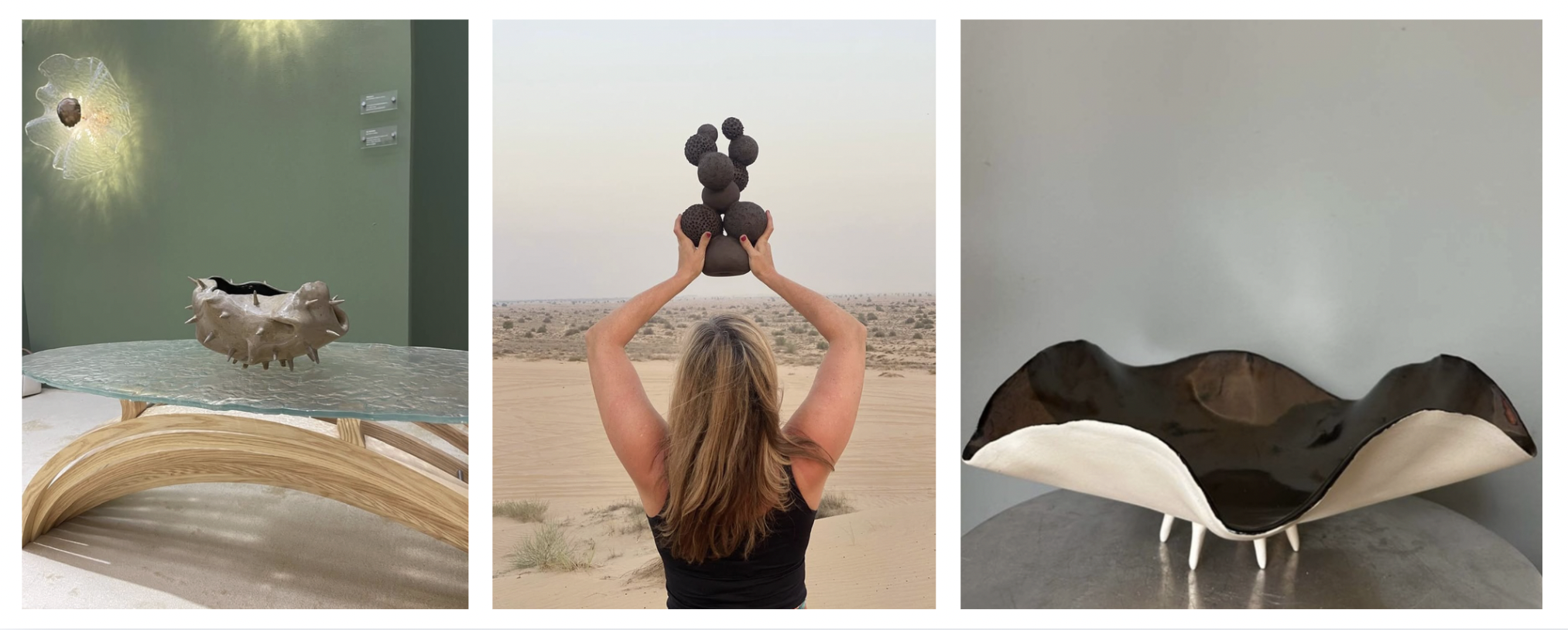
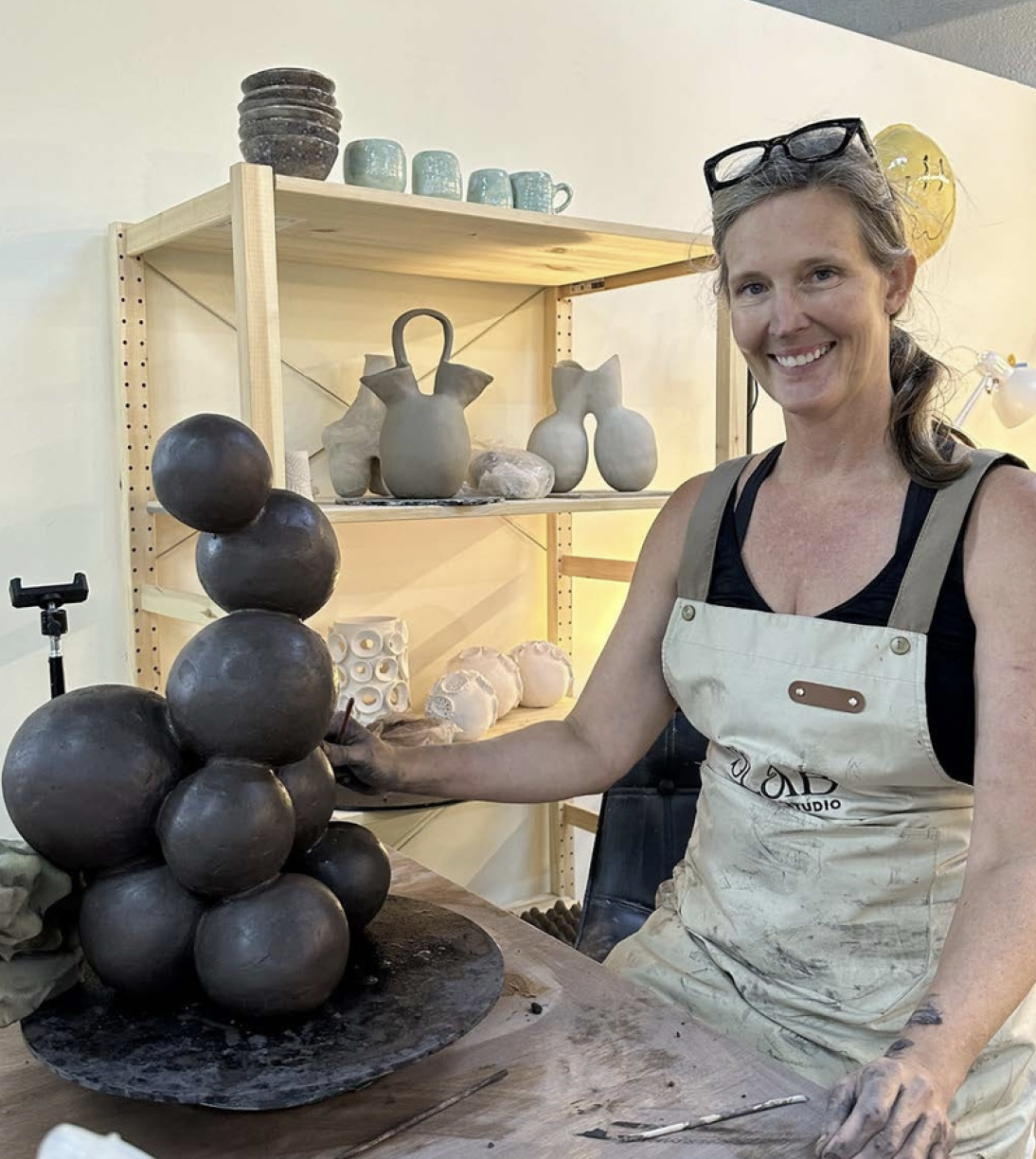
Artist Kathleen Jones at work in Smiley’s Art Room Collective
THE QUICK + FUN LOWDOWN:
Favorite travel destination or past trip? Zanzibar
Favorite book and/or movie? Book: Less; Movie: The Usual Suspects
Favorite artist(s), designer(s), architect(s)? Georgia O'Keefe!
What's always playing in your studio — music, podcast, silence? Music, ideally from the 70s and 80s or pretty much anything that fellow artist Joe Schafer puts on the in the Smiley Art Room!
Finish this sentence: "Making things heals me."
Tell us about yourself — who are you and what do you make/create?
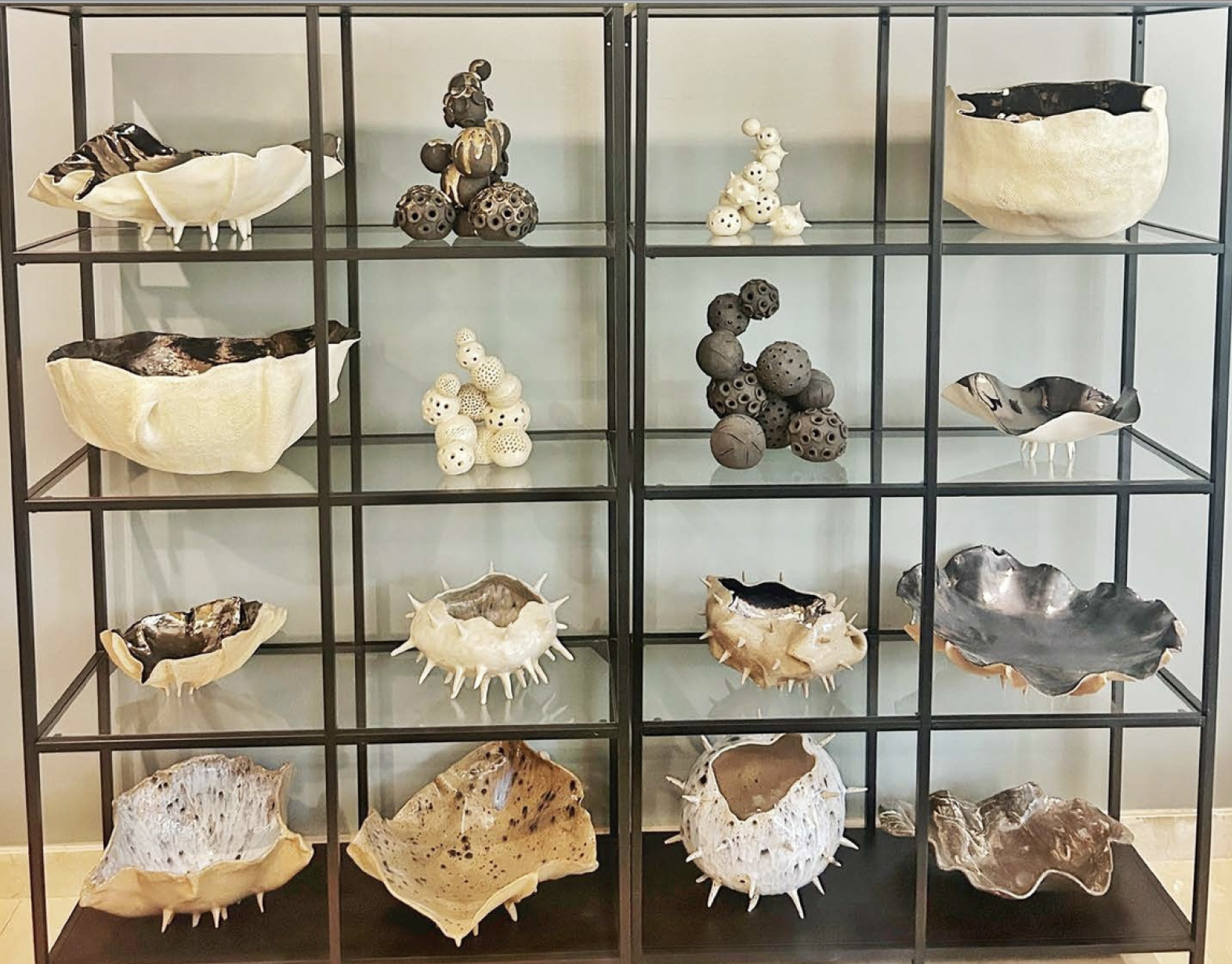
I am a ceramic artist working primarily in hand-built sculpture. My work explores the tension between strength and fragility — how something can feel precarious and grounded at the same time.
I build forms shaped by the landscapes I’ve called home — deserts, mountains, tidal edges, geothermal springs — places where elemental forces are visible and unfiltered. My career in multilateral diplomacy deeply shaped my sculptural language; living in regions marked by both beauty and complexity taught me that resilience is rarely symmetrical or polished.
The pieces I create often lean, tilt, cluster, or hover. They are intentionally imperfect. Rough clay remains exposed. Surfaces shift from matte to reflective. I am interested in the quiet structures that hold things up — in nature and in people — and in the beauty that emerges through imbalance.
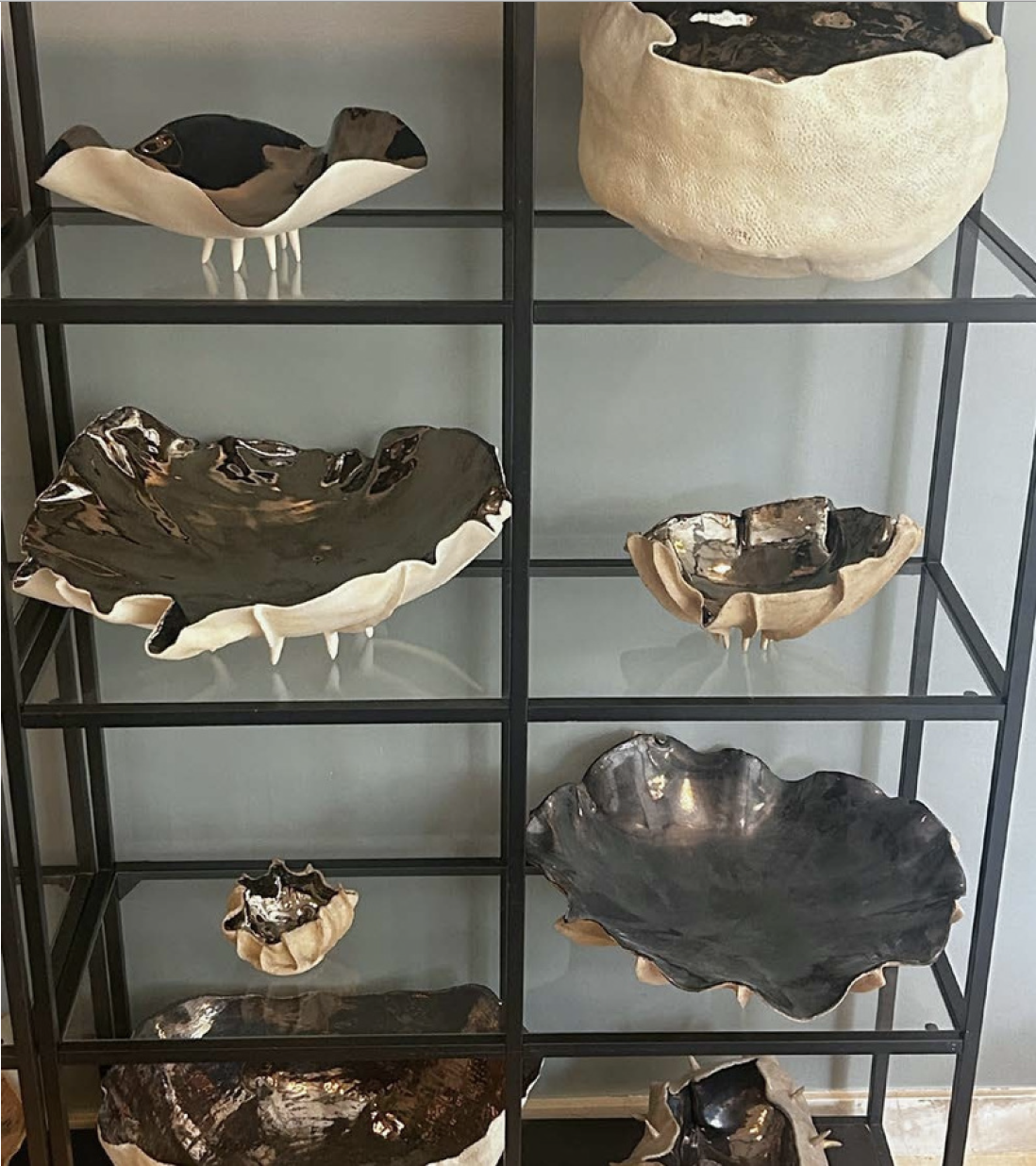
How did you first discover your craft — what was the spark or what drew you to it?
I studied ceramics in college, but clay reached me earlier than that. I grew up in the Southwest, spending part of my youth on ranches. That early connection to land — to soil, to heat, to material — stayed with me.
For a long time, my professional life moved in a different direction. It wasn’t until years of living abroad — in Afghanistan, South Sudan, the Dominican Republic, and the Gulf (United Arab Emirates)— that my sculptural voice truly took shape. The elemental landscapes and the resilience of the communities within them gave me something I needed to translate physically.
Clay became the way I processed those experiences. Earth turned by water, hardened by fire, touched by air — the material itself mirrors the forces I’ve witnessed.
Where do you source your inspiration? What sparks a new idea or collection?
Place is always the starting point.
A sandstorm reshaping a horizon. A tide pool holding fragments the sea has left behind. The way geothermal water rises through rock. The submerged stillness beneath clear ocean waters.
Each collection begins with an environment — and with the emotional tension that environment carries. Sandstorms became a study of disruption and renewal. Tideworn grew from the quiet basins left when water retreats. Pagosa was rooted in reverence for land and inherited memory. Submerged explored pressure, suspension, and transformation beneath the surface.
I don’t illustrate landscapes. I try to embody what they do.
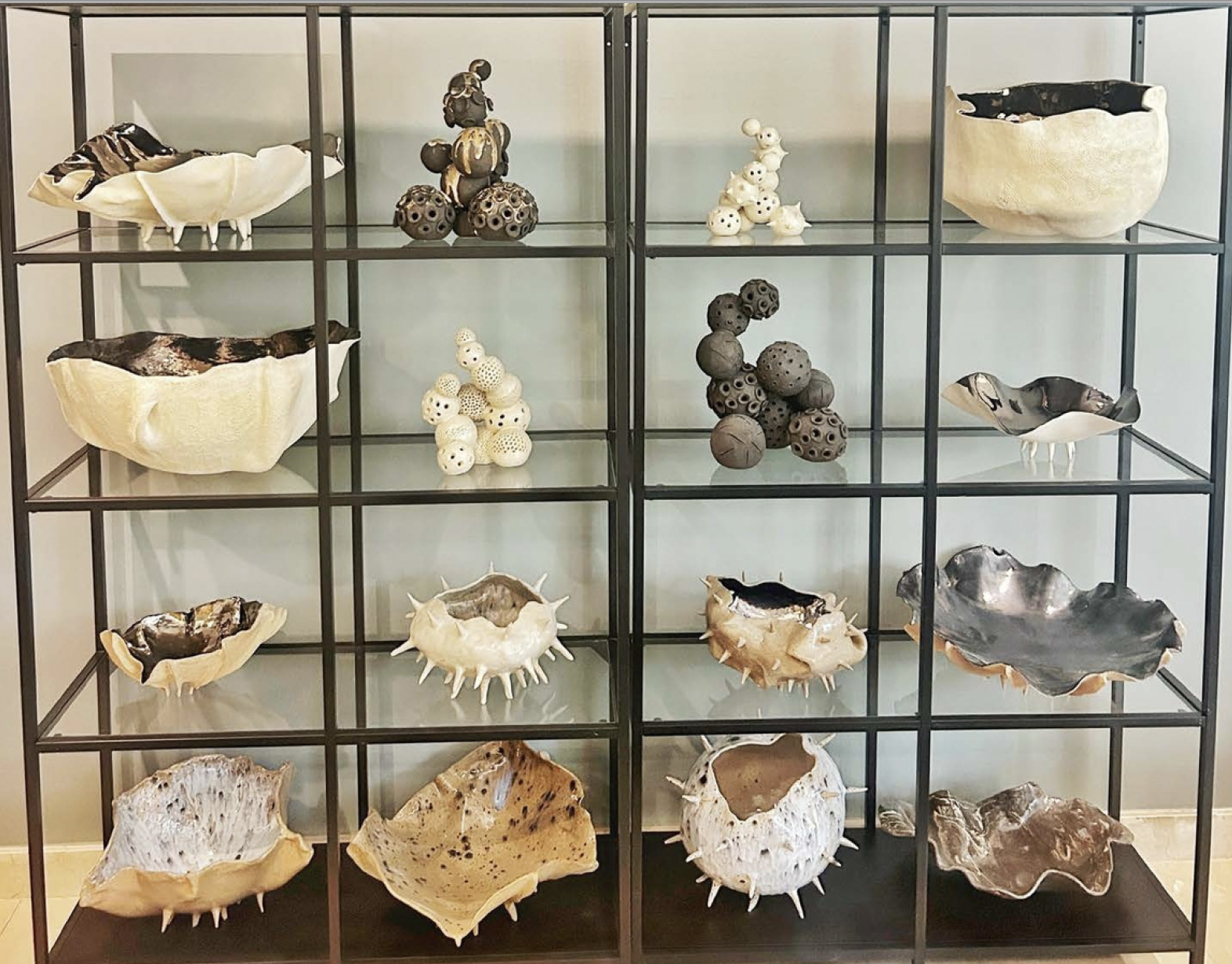
Is there a person, place, or experience that has most shaped your creative path?
Living in regions shaped by elemental extremes and geopolitical complexity changed me. Afghanistan’s austere mountains. South Sudan’s White Nile. The Musandam Peninsula where mountains fall directly into the sea.
But equally formative were the quiet inheritances of the American Southwest — the springs of Pagosa, the cairns along a river, the knowledge embedded in land long before I arrived.
I have learned that endurance is never flawless. That lesson runs through everything I build.
What are you currently working on or excited about?
Right now, I’m working on a collection inspired by the geography of the Four Corners, specifically Antelope Canyon and Red Cliffs, called Carved by Light. I also have plans to make a collection inspired by Watersheds.
Is there a dream project or medium you'd love to explore?
I would love to create a site-responsive installation — something that interacts directly with landscape, light, or water. Work that lives outdoors, where weather becomes collaborator rather than threat.
I’m also intrigued by integrating subtle movement — not in a theatrical way, but in a way that deepens the sense of breath or suspended time within a piece.
How do you see your work adding to someone's home and collection?
In a home, I could see the pieces become quiet anchors — forms that invite you to walk around them, to notice shadow, to feel weight and balance. They shift with light throughout the day. They ask for a moment of attention, and in return, they offer steadiness.
I hope they bring a sense of groundedness — a reminder that strength can lean, that beauty can be asymmetrical, and that what endures is rarely polished.
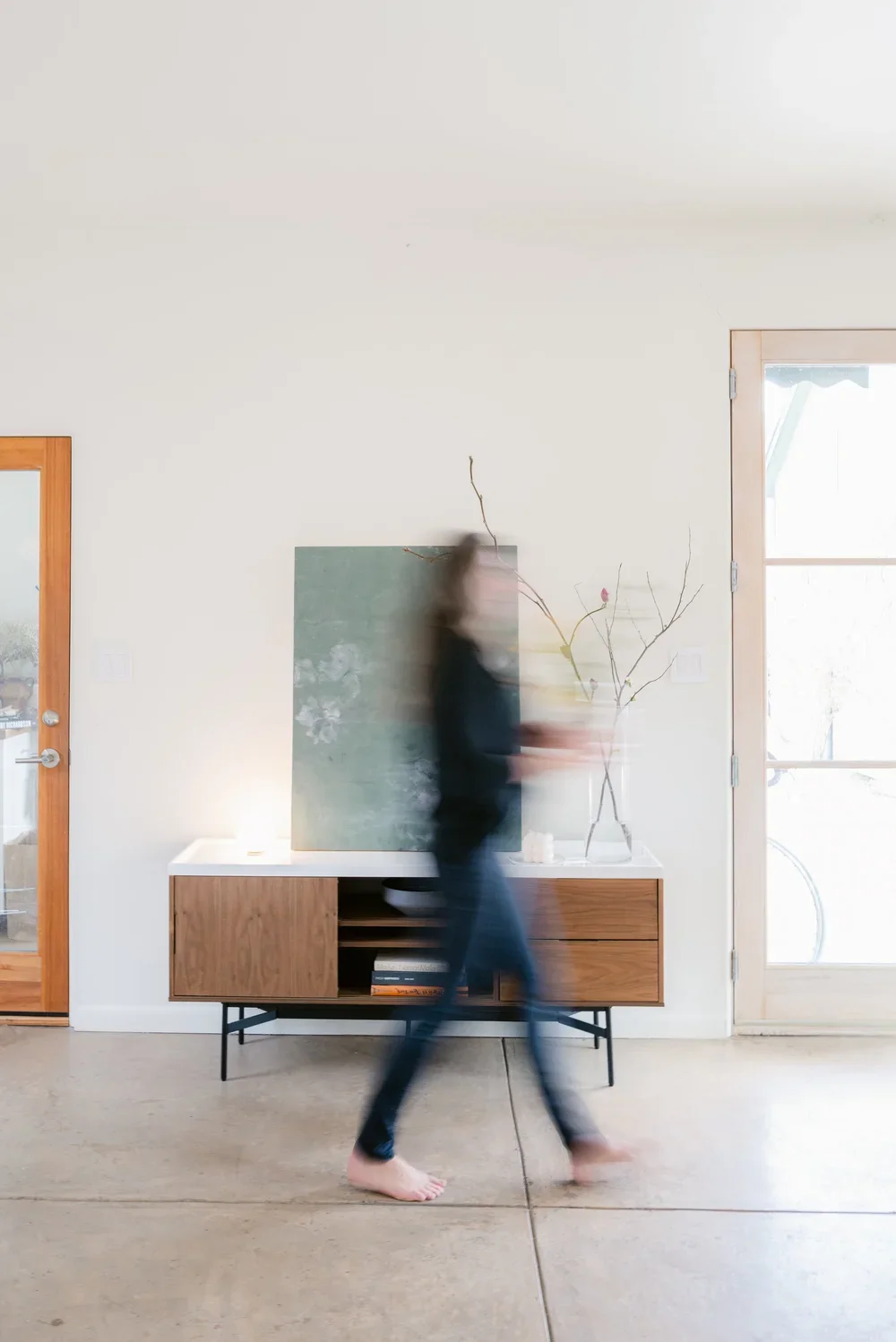
FENG SHUI & SPATIAL ENERGY
Feng Shui & the Art of
Intentional Decluttering and Seasonal Living
Moving Energy:
Feng Shui & the Art of
Intentional Decluttering
BOHEME DESIGN HOUSE · SPRING 2026 · JOURNAL NO. 07

In the mountain West, where seasons demand we move between stillness and motion, the principles of Feng Shui resonate in a particularly grounded way. At its core, this ancient practice is not about decorative symbolism — it is about how energy, or chi, moves through a space. Clutter blocks it. Open, intentional arrangement invites it. The result, when done well, is a home that feels like a deep breath.
The word "Feng Shui" translates literally to wind and water — two forces that, by their nature, flow freely. Rooted in Taoist philosophy and more than 3,000 years old, Feng Shui was originally used to orient buildings and burial sites in harmony with the natural world. Over centuries it evolved into one of the most enduring frameworks for understanding how the spaces we inhabit shape how we feel, focus, rest, and connect.
Today, it's finding renewed relevance and not just among those drawn to eastern philosophy. Modern psychology, environmental design, and neuroscience are increasingly confirming what Feng Shui practitioners have always known: clutter increases stress, light affects mood, spatial layout influences behavior, and balance — visual and physical — improves clarity of mind.
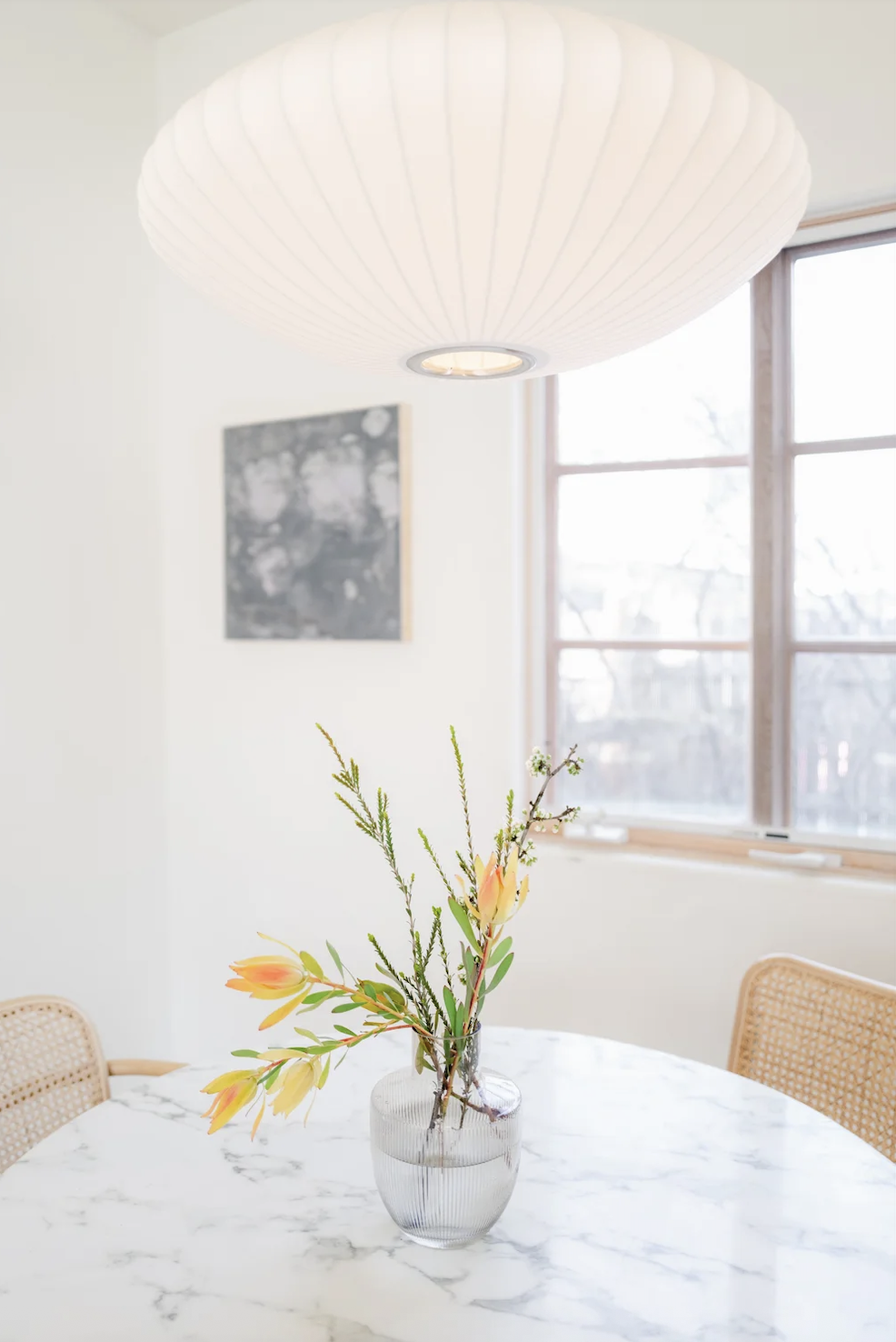
Understanding the Foundation
What Chi Actually Means — and Why It Matters Here
Chi (also written as qi) is the life force energy that, in Feng Shui philosophy, flows through all things — people, objects, architecture, and landscape. In a home, chi enters through the front door and moves through the space along natural pathways. When those pathways are open and unobstructed, chi flows freely, and the people living within the home tend to feel energized, clear, and at ease. When they're blocked — by furniture pushed against walls, piles of unsorted belongings, or rooms that feel heavy and still — chi stagnates. And stagnant chi, in practical terms, often manifests as fatigue, friction, or a vague sense that something is off in a space you can't quite articulate.
In the San Juan Mountains, where the natural world is the constant backdrop, this idea of energy in motion has an almost literal quality. The valley winds that move through Durango in spring, the way light shifts across the Animas corridor through the day, the dramatic seasonal contrasts of this landscape — all of it speaks to a place that is never static. Our homes, when designed with awareness, can honor that same quality of movement rather than resist it.
"A cluttered home often mirrors a cluttered mind — leading to overwhelm, indecision, fatigue, and stress. You don't need to believe in anything mystical to see results."
— Gathered, Feng Shui Rules That Will Transform Your Home, 2026
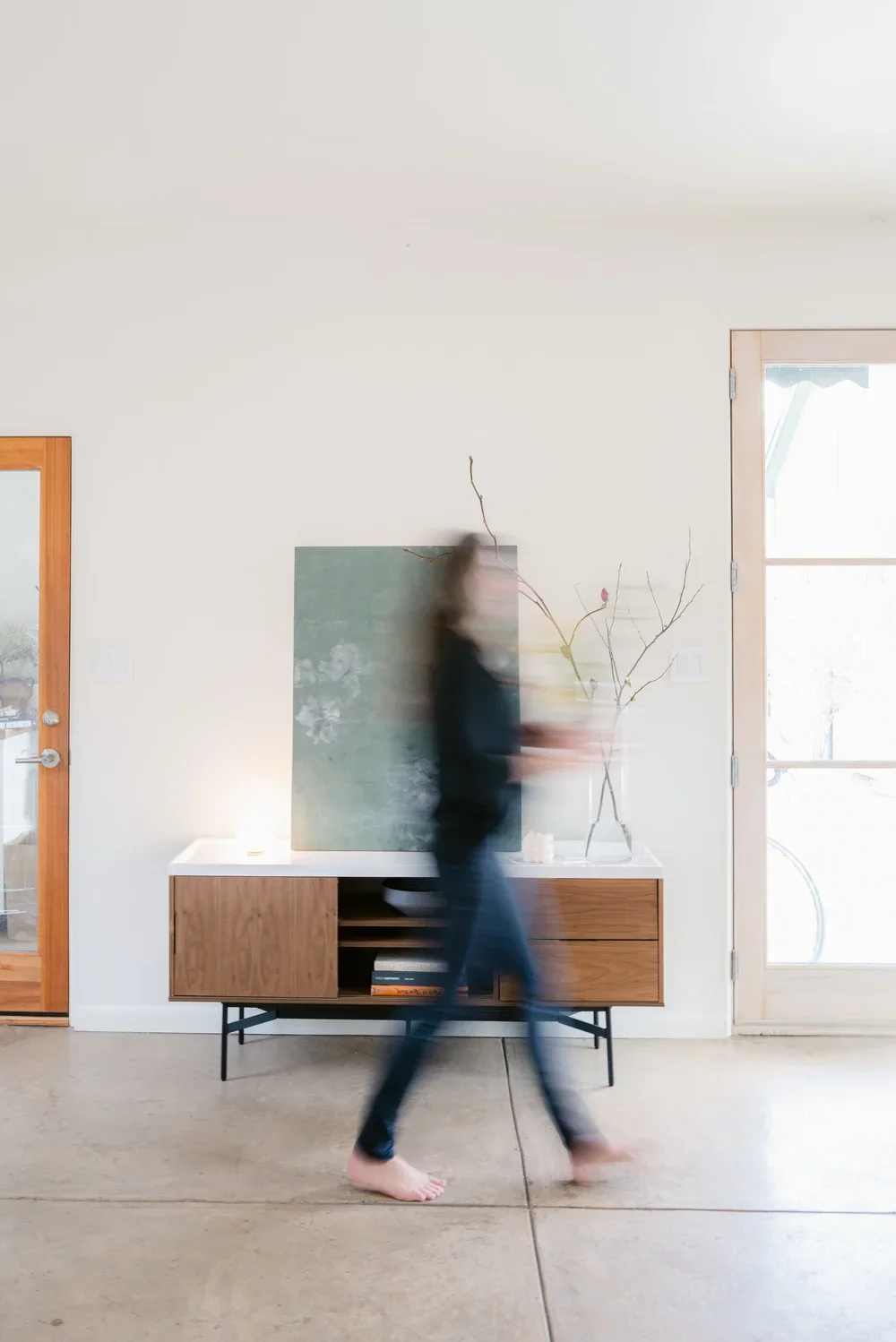
Where to Begin
Decluttering as Practice: The First Act of Moving Energy
Before any furniture is moved, any element introduced, or any color placed on a wall, Feng Shui asks one foundational thing of you: clear the clutter. This is not a metaphor. It is the single most impactful act available to anyone who wants to shift how their home feels, and it costs nothing but time and honesty.
Clutter, in Feng Shui terms, is not simply mess — it is unmade decisions. Every object that sits in your home without a clear purpose, a designated place, or genuine emotional resonance is a small weight on the energy of the space. Multiplied across a household, those weights become significant. They produce the low-grade friction that makes some homes feel draining rather than restoring.
The approach is simple, if not always easy: move through your home one area at a time and apply a single question to every object — does this earn its place here? Not "could it be useful someday," not "was it a gift I feel obligated to keep," but does it genuinely belong in this room, in this life, now. Objects that answer yes stay. Objects that don't are donated, stored, or released. What remains is a space that has been curated with the same intentionality we apply to a well-designed room.
About This Post
Part of the Boheme Design House Spring 2026 Journal — a seasonal series exploring the ideas shaping how we design, collect, and inhabit homes in Southwest Colorado.
Key Principles at a Glance
Chi flows freely through open, unobstructed spaces
The entryway is the Mouth of Chi — begin here
Clutter is unmade decisions; clear it first
The commanding position fosters calm and security
Five elements: Wood, Fire, Earth, Metal, Water
Sightlines to the landscape are sacred in mountain homes
Seasonal clearing honors the rhythm of mountain life
“One beautiful, intentional object beats ten competing for attention every time. When you live in the mountains and nature, the view is your anchor — let everything else support that.”
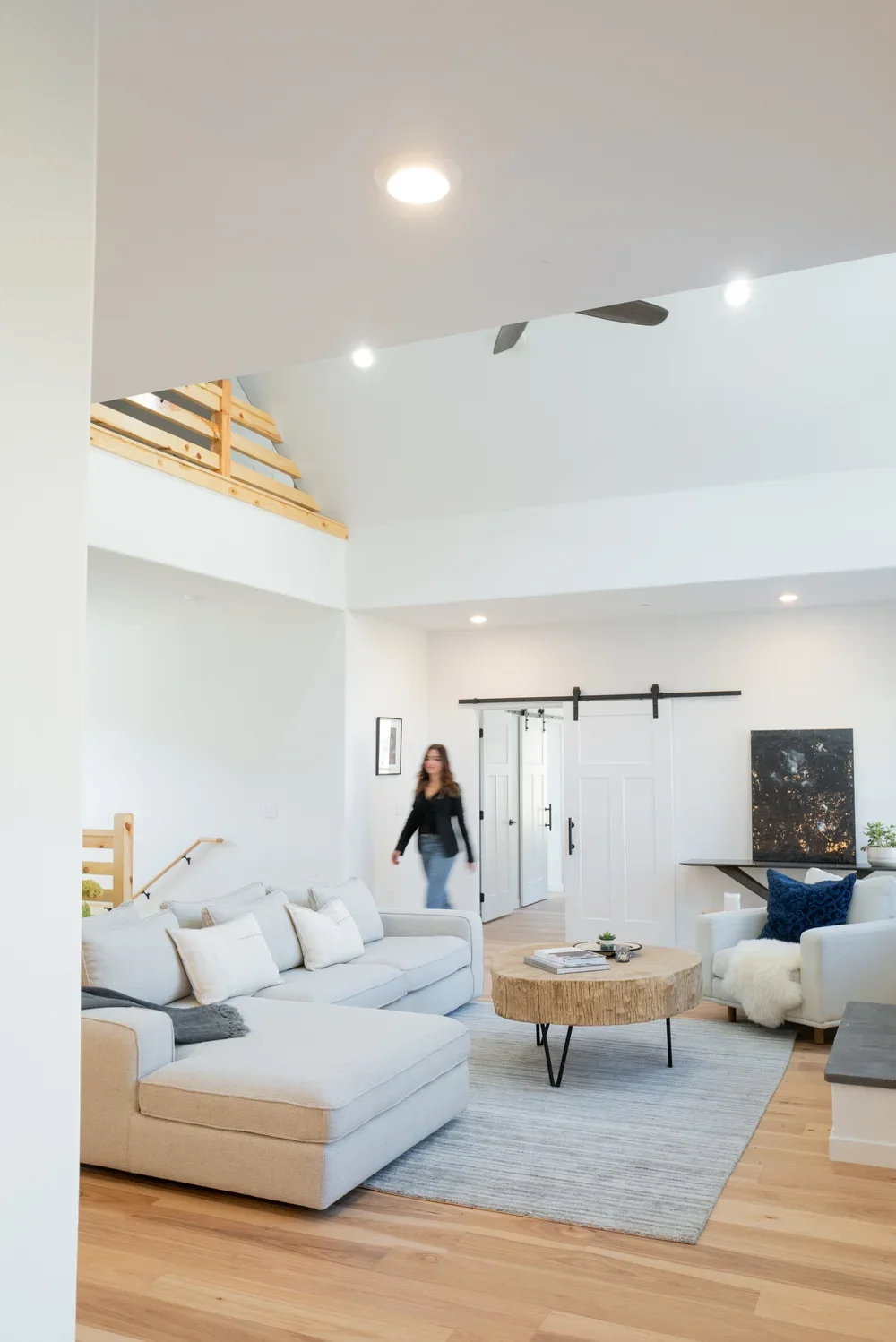
Starting Small — The One Move That Changes Everything
Feng Shui does not require a renovation, a new furniture budget, or an expert consultation to begin working in your life. It requires only attention — the willingness to walk slowly through your own home and notice how it feels. Where does your body tighten? Where does it relax? Where does your eye snag on something unresolved, and where does it rest with ease?
Begin at your front door. Clear everything that has accumulated there this winter. Oil the hinges if they squeak. Replace any burned-out bulbs. Set one beautiful, living thing — a plant, a small vessel, a stone from the trail — just inside the threshold. Then stand in the doorway and breathe. Notice whether the space invites you in or creates resistance.